Bitcoin Basics
Introduction to Bitcoin
The First Digital Coin
In late 2008, as the world reeled from a major financial crisis, a paper appeared online. It was titled "Bitcoin: A Peer-to-Peer Electronic Cash System" and was written by someone using the name Satoshi Nakamoto. To this day, no one knows the true identity of Nakamoto.
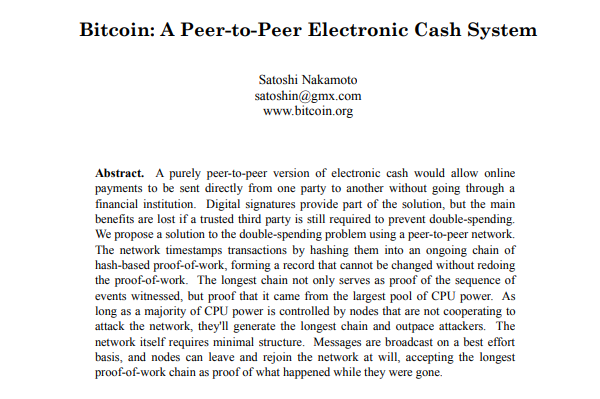
The paper proposed a radical idea: a form of digital money that could be sent directly between people without needing a bank or any other financial institution. This wasn't just a technical blueprint; it was a response to a system that many felt had failed. The timing was no coincidence.
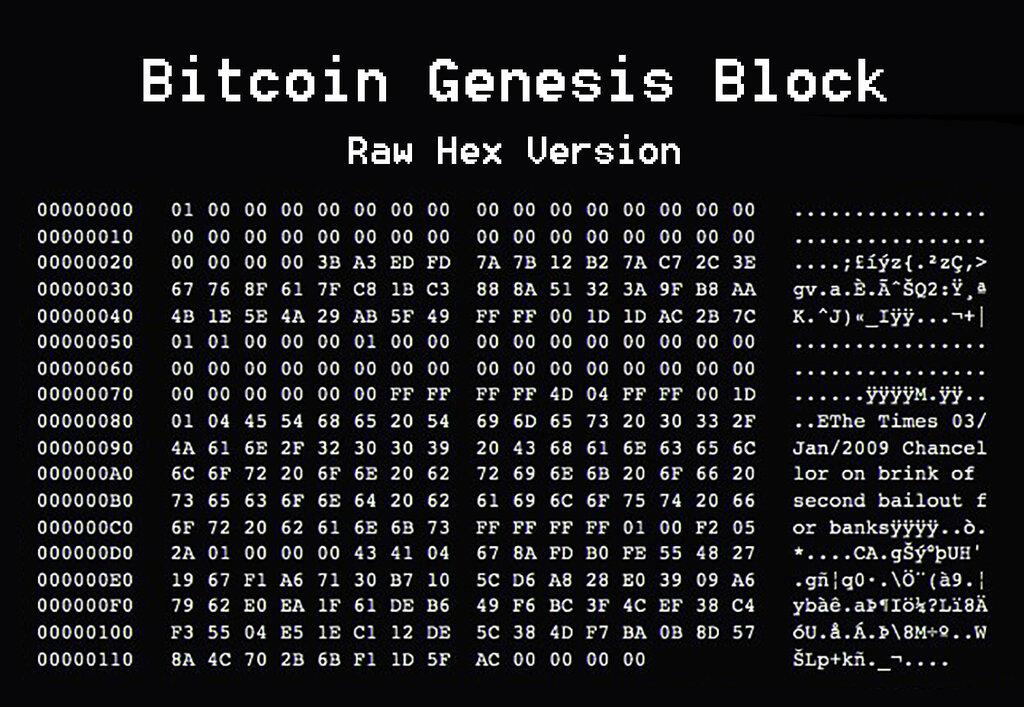
In January 2009, the Bitcoin network officially launched. The very first block of transactions, known as the Genesis Block, contained a hidden message. It was a headline from a British newspaper: "The Times 03/Jan/2009 Chancellor on brink of second bailout for banks." This small detail cemented Bitcoin's origin as a commentary on the traditional financial world.
A New Kind of Cash
So, what was Bitcoin's main goal? The white paper's title says it all: to create an electronic cash system. Think about physical cash. When you pay a friend $20, you just hand them the bill. There's no bank involved in that direct exchange. Bitcoin was designed to work the same way, but online.
This is what "peer-to-peer" means. Transactions go directly from one person's digital wallet to another's, anywhere in the world. This system sidesteps the usual intermediaries like banks, credit card companies, or payment processors that sit in the middle of most digital payments.
Bitcoin's core promise is sending money directly from one person to another, just like handing someone cash, but over the internet.
For decades, a major hurdle for digital cash was the "double-spending problem." If you have a digital file, you can easily copy it. How do you prevent someone from spending the same digital dollar twice? Traditional finance solves this with a central ledger, managed by a bank, that keeps track of all transactions and balances.
Satoshi Nakamoto's breakthrough was figuring out how to prevent double-spending without a central authority. Instead of one bank controlling the ledger, the Bitcoin network uses a shared, public ledger that is maintained and verified by a global network of computers. This shared ledger is called a blockchain.
Decentralization Is Key
The most revolutionary aspect of Bitcoin is its decentralization. There is no Bitcoin headquarters, no CEO, and no central server that can be shut down. The network is run by thousands of volunteers around the world who run the software on their computers.
This structure makes the system incredibly resilient. To take down the network, you'd have to shut down every single computer running it simultaneously, which is practically impossible. It also means that no single person, company, or government can control the rules, freeze accounts, or censor transactions.
This gives users a level of control over their money that's rare in the digital age, a concept often called "financial sovereignty." You truly own your Bitcoin in a way that's different from the money in your bank account. Your bank is a custodian of your funds, and access can be restricted. With Bitcoin, as long as you control your private keys (a special password), you have full control.
In a decentralized system, trust isn't placed in a single institution. It's distributed across the entire network.
Bitcoin introduced a new model for how we can create and exchange value online. It challenged the long-held assumption that we need trusted third parties to manage our financial lives. By proving that a decentralized digital currency could work securely, Bitcoin paved the way for thousands of other cryptocurrencies and sparked a global conversation about the future of money.
Ready to test your knowledge on the basics of Bitcoin?
Who is the pseudonymous creator of Bitcoin?
What is the primary goal of Bitcoin, as described in its original white paper?