Bitcoin Basics for Beginners
Introduction to Bitcoin
What Is Bitcoin?
Bitcoin is a type of digital money. You can think of it as cash that exists only on the internet. Its main purpose is to let people send money directly to each other without going through a bank or a payment company. This is called a peer-to-peer system.
Imagine sending an email. You write it, hit send, and it goes straight to the recipient's inbox. You don't need a third party to read and approve your message before it's delivered. Bitcoin aims to do the same thing for money. It removes the middleman from financial transactions.
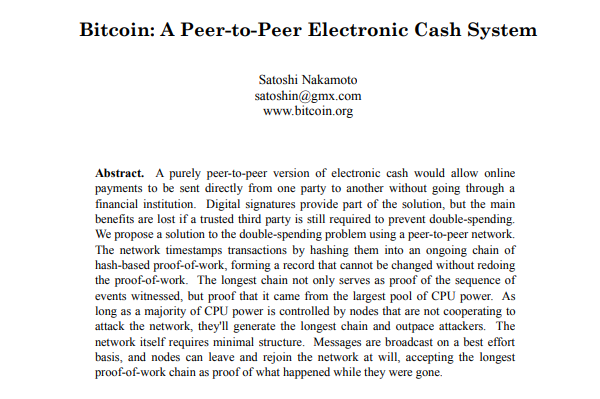
This idea was laid out in a paper titled "Bitcoin: A Peer-to-Peer Electronic Cash System." It described a new kind of money that wasn't controlled by any single entity, making it global and open to anyone.
A Mysterious Creator
The author of that paper, and the creator of Bitcoin, is known only by the pseudonym Satoshi Nakamoto. In 2008, Nakamoto published the paper, and in early 2009, the Bitcoin network came online when Nakamoto created the first-ever block of transactions.
To this day, no one knows the true identity of Satoshi Nakamoto. It could be one person or a group of people. After launching the network and guiding its early development, Nakamoto vanished in 2011, leaving Bitcoin in the hands of its community.
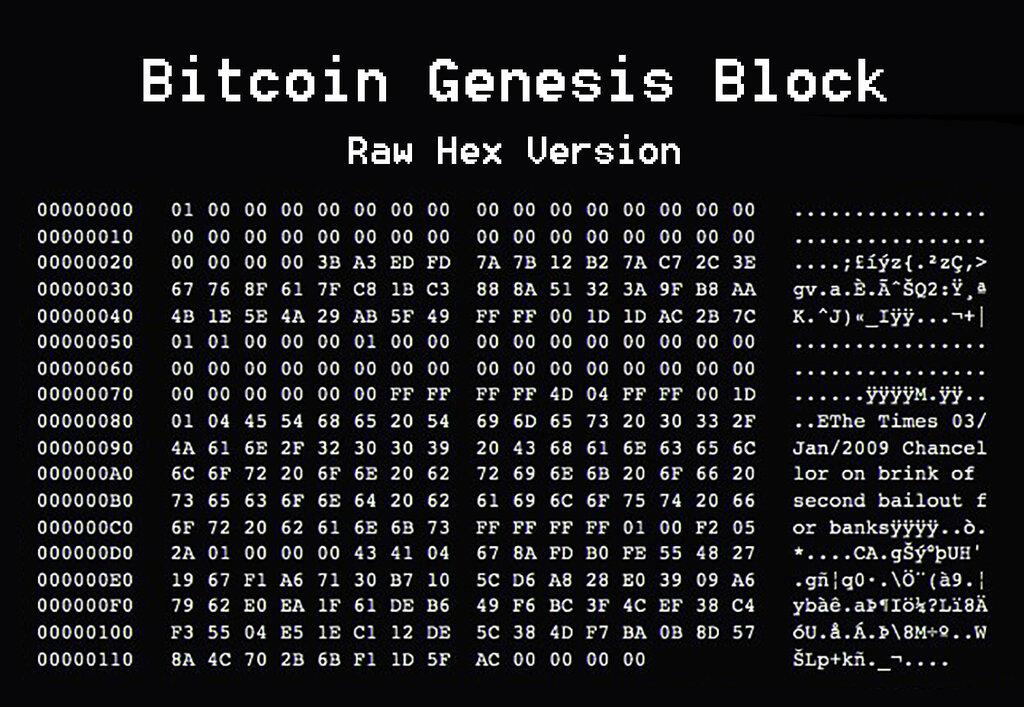
This mysterious origin adds to Bitcoin's unique story. It was created not by a company or government, but by an anonymous founder who gave it to the world as an open-source project.
No Banks, No Borders
The most significant feature of Bitcoin is its decentralized nature. Traditional currencies, like the U.S. dollar or the Euro, are centralized. They are issued and controlled by central banks and governments. These institutions can print more money, freeze accounts, and set the rules for how money moves.
Bitcoin works differently. There is no Bitcoin headquarters, no CEO, and no central server. The network is maintained by a global community of volunteers. This means no single person or group can control the network, change its rules, or block transactions. It's a system that operates outside the traditional financial world.
| Feature | Traditional Currency (e.g., USD) | Bitcoin (BTC) |
|---|---|---|
| Control | Centralized (by government/banks) | Decentralized (by network users) |
| Issuance | Printed by a central authority | Released through a fixed process |
| Form | Physical (cash) and Digital | Entirely Digital |
| Access | Requires a bank account | Requires an internet connection |
| Transactions | Handled by intermediaries | Peer-to-peer (direct) |
Because it's not tied to any country, Bitcoin is a global currency. Anyone with an internet connection can send and receive it, anywhere in the world, at any time. This has opened up new possibilities for finance, challenging the idea of what money can be.
What is the primary purpose of Bitcoin, as described in its founding paper?
How does Bitcoin's structure fundamentally differ from a traditional currency like the Euro or U.S. Dollar?
Bitcoin introduced a new way of thinking about currency, one based on decentralization and direct, peer-to-peer exchange.