Bitcoin Basics Explained
Introduction to Bitcoin
What Is Bitcoin?
Bitcoin is a type of digital money. You can't hold it in your hand like a dollar bill or a euro coin, but you can use it to buy things and send it to people anywhere in the world.
The big difference between Bitcoin and traditional money is that there's no central authority in charge. No bank, no government, no company controls it. It's run by a community of users around the globe, making it the first decentralized currency.
A Mysterious Beginning
Bitcoin's story begins with a mystery. In 2008, a person or group using the name Satoshi Nakamoto published a paper online titled "Bitcoin: A Peer-to-Peer Electronic Cash System." To this day, no one knows the true identity of Satoshi Nakamoto.
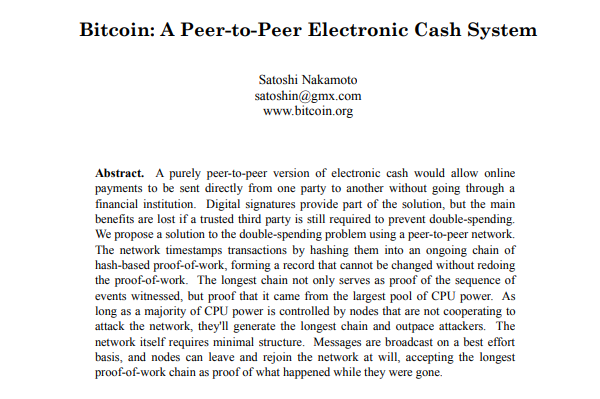
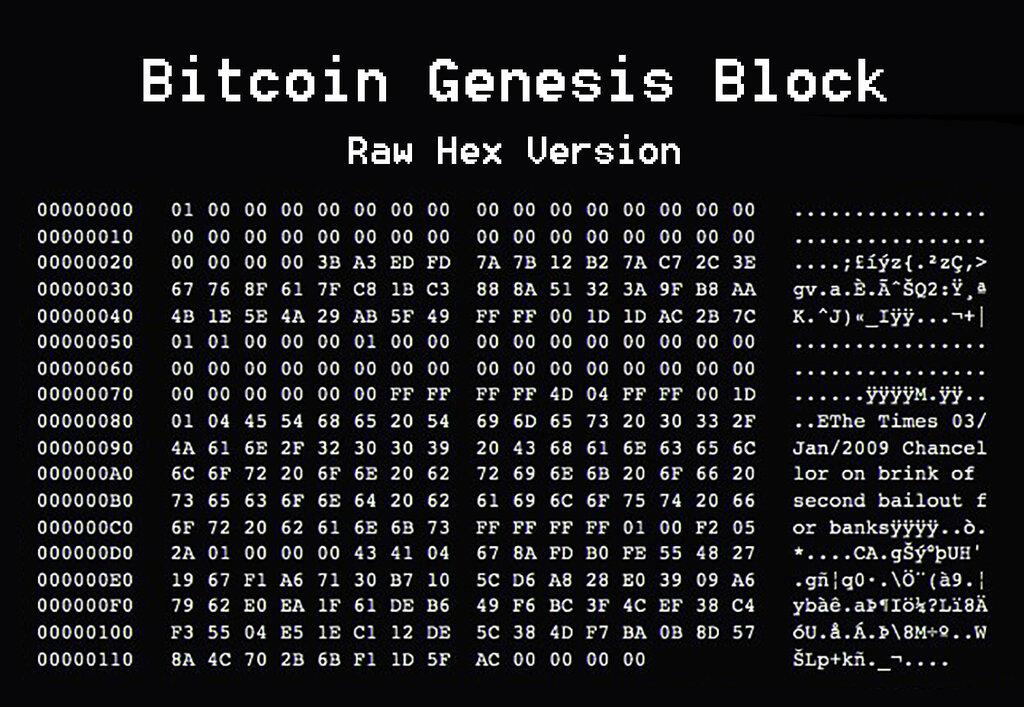
This paper laid out the vision for a new kind of money that could be exchanged directly between people without needing a bank or payment processor. In January 2009, Nakamoto released the Bitcoin software and created the first-ever block of transactions, known as the "Genesis Block."
Cash for the Internet
Satoshi's goal was simple: create a form of electronic cash that works like physical cash. When you hand someone a $20 bill, the transaction is direct. There's no middleman. Bitcoin was designed to bring that peer-to-peer simplicity to the digital world.
In the traditional system, sending money requires a trusted third party, like a bank. They verify you have the funds and move them to the other person's account. This system works, but it's centralized. A single entity is in control.
Bitcoin removes the middleman. Transactions are verified and recorded by a distributed network of computers, allowing any two people to transact directly with each other. This peer-to-peer system was a radical new idea for digital finance.
Bitcoin's Journey
For its first year, Bitcoin had little to no monetary value. It was mostly a hobby for cryptographers and programmers. The first real-world transaction happened in 2010, when a programmer famously paid 10,000 bitcoins for two pizzas.
Over the next decade, Bitcoin's story was marked by rapid growth, volatility, and increasing public awareness. Its price surged and crashed multiple times, grabbing headlines and attracting both investors and skeptics. More importantly, its underlying technology inspired the creation of thousands of other digital currencies, known as altcoins, and sparked a wave of innovation across the financial industry.
Bitcoin challenged the very definition of money and forced a global conversation about the future of finance. It introduced the idea that a currency could exist outside the control of governments and banks, fundamentally changing the landscape of digital assets.
Now that you understand the origins and purpose of Bitcoin, let's check your knowledge.
Who is credited with inventing Bitcoin?
What was the primary goal behind the creation of Bitcoin, as described in the original white paper?
From a mysterious white paper to a global financial phenomenon, Bitcoin introduced a new way of thinking about digital money.