Bitcoin Basics Explained
Introduction to Bitcoin
What Is Bitcoin?
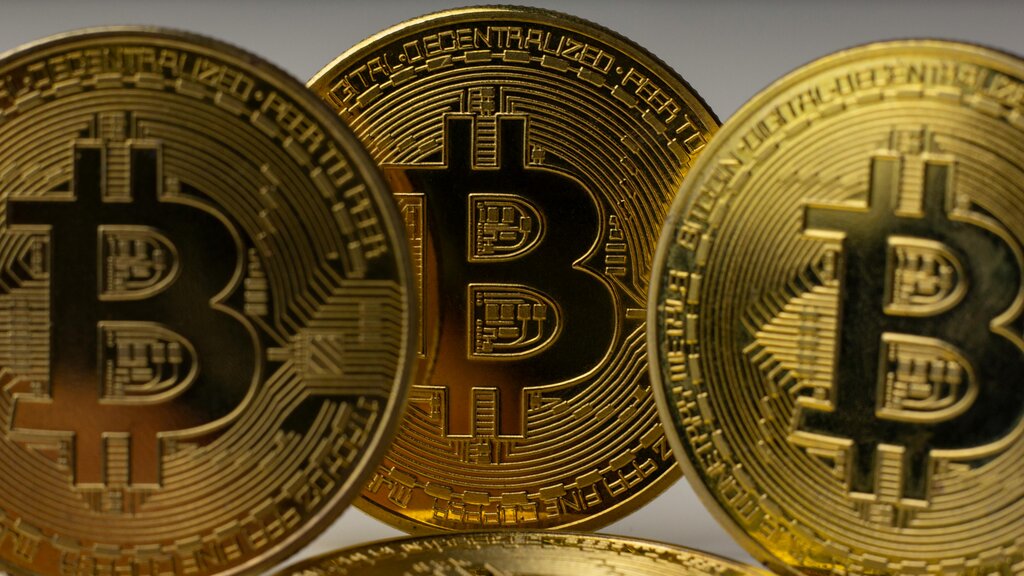
Bitcoin is a type of digital money. You can't hold it in your hand like a dollar bill or a quarter, but you can use it to buy things and send value to people anywhere in the world. Its main purpose is to let two people transact directly with each other without needing a middleman, like a bank or a credit card company.
Think about sending an email. You write a message and send it directly to your friend's inbox. You don't need a postal service to approve the message or carry it for you. Bitcoin aims to do the same thing for money. It's designed to be a peer-to-peer electronic cash system.
The Creator Nobody Knows
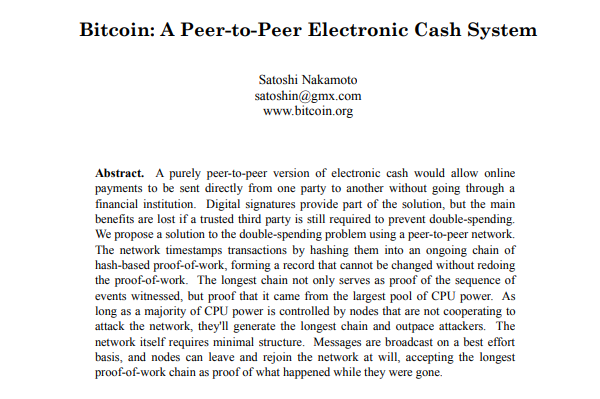
The world first learned about Bitcoin in 2008 when a paper titled "Bitcoin: A Peer-to-Peer Electronic Cash System" was published online. The author's name was Satoshi Nakamoto. To this day, no one knows if Nakamoto was a single person or a group of people. Their identity remains a complete mystery.
Nakamoto launched the Bitcoin network in January 2009. They guided the project for about two years and then disappeared, leaving it in the hands of a community of developers. The creator’s anonymity adds to Bitcoin's story, but the technology itself was designed to work without any single person in charge.
How Bitcoin Is Different
Bitcoin has a few key features that set it apart from traditional currencies like the US dollar or the Euro.
First, it's decentralized. This means no single company, government, or bank controls it. The network is maintained by a global community of volunteers. This structure prevents any one entity from freezing accounts, blocking payments, or changing the rules on their own.
Second, there is a limited supply. Only 21 million bitcoins will ever be created. This is written into the code and cannot be changed. Unlike governments that can print more money, which can lead to inflation, Bitcoin's supply is finite. This scarcity is a fundamental part of its design.
Finally, Bitcoin is pseudonymous. Every transaction is recorded on a public ledger, so anyone can see money moving from one address to another. However, these addresses are not directly linked to real-world identities like your name or home address. So, while transactions are transparent, the people behind them are not immediately obvious.
The Technology Behind It
The core technology that makes Bitcoin possible is called the blockchain. You can think of it as a digital record book that is shared and duplicated among thousands of computers around the world.
At its core, blockchain technology is a digital distributed ledger that provides a strong foundation for securely recording and validating transactions without intermediaries.
When a new transaction occurs, it gets bundled together with other recent transactions into a "block." This block is then added to the end of a long chain of previous blocks, creating a permanent and unchangeable record. Because this ledger is distributed across the entire network, it's incredibly difficult for anyone to tamper with it. To change a transaction, a hacker would have to alter the record on thousands of computers simultaneously, which is practically impossible.
This clever combination of a decentralized network and a shared public ledger is what allows Bitcoin to operate securely without any central authority.
Let's check your understanding of these core concepts.
What is the primary purpose of Bitcoin, as described in its original 2008 whitepaper?
What is the core technology that records all Bitcoin transactions in a shared public ledger?
Bitcoin was the first of its kind, but it opened the door for thousands of other cryptocurrencies and new uses for blockchain technology.