Bitcoin Basics Explained
Introduction to Bitcoin
The First Digital Cash
In 2008, a paper titled "Bitcoin: A Peer-to-Peer Electronic Cash System" appeared online. It was published under the name Satoshi Nakamoto, a person or group whose identity remains a mystery. The paper laid out a vision for a new kind of money, one that could be sent directly between people over the internet without needing a bank or financial company in the middle.
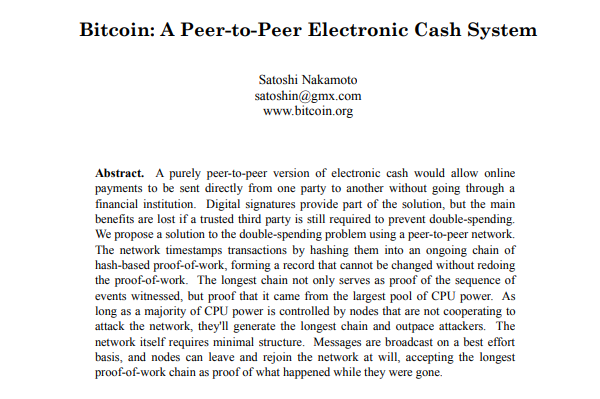
This wasn't just an idea. In January 2009, the Bitcoin network went live. It was the world's first decentralized digital currency. Unlike the dollars or euros in your bank account, which are managed by central authorities, Bitcoin is maintained by a distributed network of computers around the globe. This means no single person, company, or government can control it.
The core purpose of Bitcoin is to allow for secure, direct online payments from one person to another, cutting out the middleman.
Think about sending money to a friend. You might use a banking app or a service like PayPal. In each case, a trusted third party processes the transaction, verifies the funds, and updates your account balances. Bitcoin replaces this system with a network where transactions are verified and recorded by the participants themselves. It’s a true peer-to-peer system for value.
Digital Gold
One of the most important features of Bitcoin is its fixed supply. The system was designed so that there can never be more than 21 million bitcoins. This is written into the code and cannot be changed. This deliberate scarcity makes it fundamentally different from traditional currencies, which governments can print more of at any time.
Scarcity
noun
The state of being in short supply; a shortage. In economics, this gives an item value.
When governments create more money, the value of each individual unit of that money tends to decrease. This is called inflation. Because the supply of Bitcoin is capped, it can't be inflated in the same way. This has led many to view Bitcoin not just as a payment system, but as a store of value, similar to gold. It's a way to protect savings from being devalued by inflation.
A fixed supply of 21 million coins creates digital scarcity, giving Bitcoin properties similar to precious metals like gold.
This concept of digital scarcity was revolutionary. Before Bitcoin, anything digital could be copied endlessly. Think of an MP3 file or a digital photo. You can make perfect duplicates with a simple click. Bitcoin solved this by creating a way to have a unique, provably scarce digital item that can't be duplicated or spent more than once. This breakthrough opened the door for all the cryptocurrencies that followed.
Ready to check your understanding?
Who is credited with publishing the original Bitcoin whitepaper?
What fundamental problem of digital items did Bitcoin solve, which was a major breakthrough?
Bitcoin introduced the world to the idea of a decentralized currency, controlled by its users rather than a central authority. Its fixed supply provides a potential safeguard against inflation, a feature that continues to attract interest.