Bitcoin Basics Explained
Introduction to Bitcoin
A New Kind of Money
Bitcoin is the first decentralized digital currency. That's a mouthful, but the idea is simple: it’s a way to send money over the internet directly from one person to another, without a bank or credit card company in the middle. Think of it like digital cash.
The concept was introduced in 2008 by a person or group using the name Satoshi Nakamoto. No one knows who they really are. Nakamoto published a paper online called "Bitcoin: A Peer-to-Peer Electronic Cash System," laying out the blueprint for a new financial system.
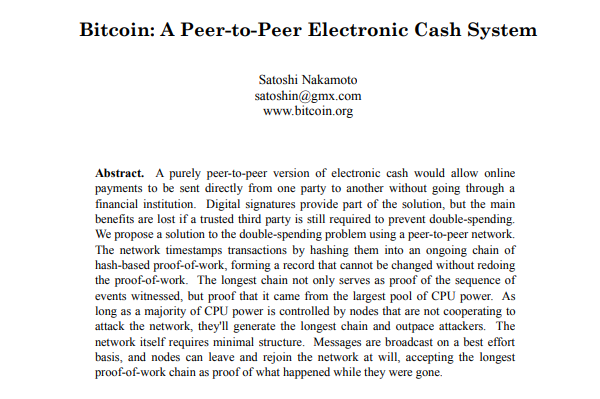
This wasn't the first attempt at digital money, but it was the first to solve a critical problem that had stumped computer scientists for years.
Solving the Digital Copy Problem
With physical cash, once you give someone a dollar bill, you no longer have it. It’s impossible to give that same dollar bill to someone else. But digital things are different. If you email a photo to a friend, you still have a copy of that photo. You could send it to a hundred other people.
This is the "double-spending problem." How do you stop someone from spending the same digital dollar twice? Before Bitcoin, the only answer was to have a trusted third party, like a bank, keep a central ledger of all transactions. They would be the official scorekeeper, making sure no one cheated.
Bitcoin solved this without needing a bank. It uses a shared, public ledger that is distributed across thousands of computers worldwide. This ledger is called a blockchain. When a transaction happens, it's broadcast to the entire network and added to the ledger. Because everyone has a copy, it’s practically impossible to cheat the system. A transaction is only valid if the network agrees it is.
This created a "trustless" system, where you don't need to trust the person you're transacting with or a third party. You just need to trust the code.
Built-in Scarcity
Another of Bitcoin's defining features is its limited supply. Governments can print more money whenever they see fit, which can devalue the currency over time. Bitcoin is different. Its code dictates that there will only ever be 21 million bitcoins created. Not one more.
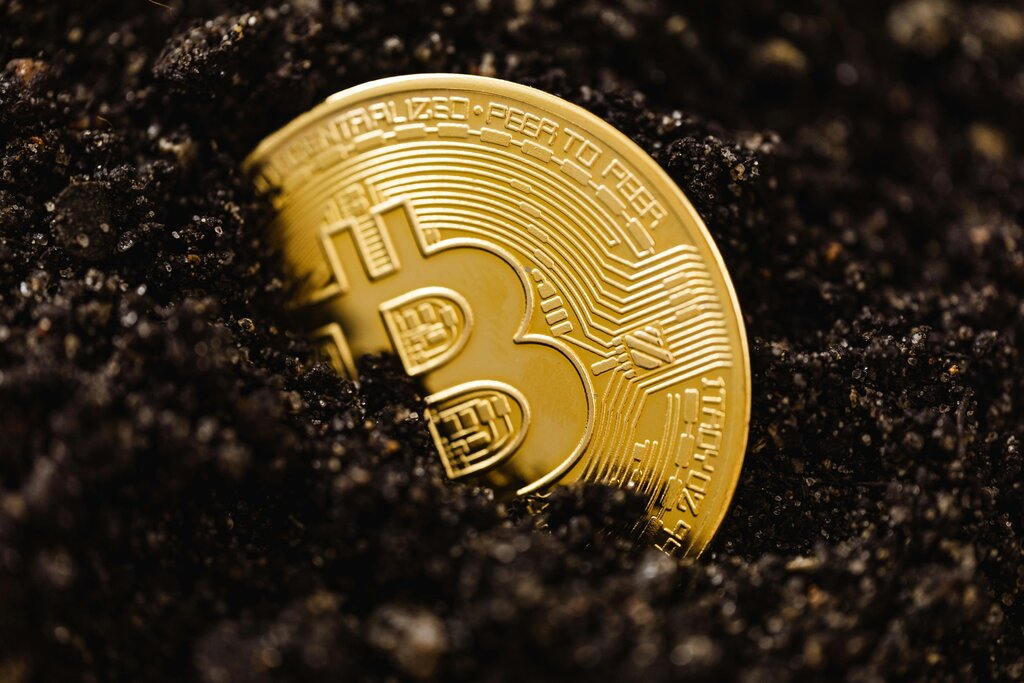
This fixed supply makes Bitcoin a scarce asset, similar to gold. The supply cannot be manipulated by any single person, company, or government. This scarcity is a fundamental reason why some people see it as a potential store of value, a way to protect wealth from inflation.
For instance, Bitcoin has a fixed supply of 21 million coins, which contributes to its value as a scarce asset.
Let's check your understanding of these core concepts.
What is the core problem in digital currencies that Bitcoin was the first to solve without a central authority?
The distributed public ledger that records all Bitcoin transactions is called the __________.
These foundational ideas—decentralization, solving the double-spending problem, and a fixed supply—are what made Bitcoin a breakthrough in computer science and finance.