Bitcoin Basics: Acquire and Secure
Bitcoin Acquisition Methods
Buying on an Exchange
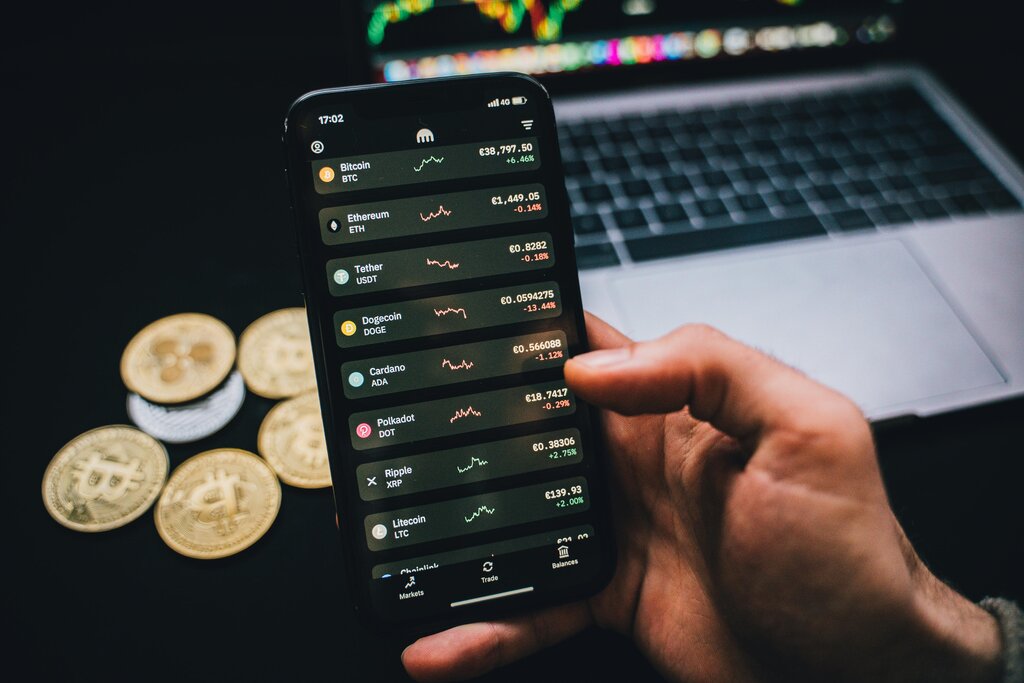
For most people, the simplest way to get Bitcoin is through a cryptocurrency exchange. These are digital marketplaces where you can buy, sell, and trade cryptocurrencies using traditional money, like U.S. dollars or Euros.
Think of it like a foreign currency exchange at an airport, but for digital assets. Major platforms like Coinbase, Kraken, or Binance are centralized exchanges. They act as a trusted middleman, holding both the cash and the crypto to make sure transactions go smoothly. You create an account, verify your identity (a process known as KYC, or Know Your Customer), link a bank account or debit card, and you're ready to buy.
The main advantages are convenience and liquidity. You can buy Bitcoin almost instantly at a price set by the market. These platforms are often user-friendly and sometimes offer insurance on their digital asset holdings. However, there's a significant trade-off: you don't truly control your Bitcoin. The exchange holds the private keys for you. This custodial arrangement means you're trusting them to keep your assets safe from hackers or internal failure. It's often said in the crypto community, "not your keys, not your coins."
Decentralized exchanges (DEXs) offer an alternative. They operate without a central authority, allowing users to trade directly from their own wallets. This gives you full control over your private keys but often comes with a steeper learning curve and lower trading volumes.
Peer-to-Peer Transactions
Another method is to buy Bitcoin directly from another person. This is called a peer-to-peer (P2P) transaction. While you could arrange this yourself with someone you trust, it's safer to use a P2P platform like Bisq or Paxful. These services act as an intermediary, connecting buyers and sellers and providing an escrow system to protect both parties.
Here’s how it typically works: a seller lists their Bitcoin for sale, specifying the price and accepted payment methods. A buyer finds a listing they like and initiates a trade. The platform locks the seller's Bitcoin in escrow. Once the buyer sends the payment (via bank transfer, PayPal, or even gift cards) and the seller confirms receipt, the platform releases the Bitcoin to the buyer's wallet. This escrow service prevents the seller from running off with the money without sending the Bitcoin.
P2P transactions often offer more privacy than centralized exchanges, as some platforms don't require strict identity verification. They also provide a wider variety of payment methods. The downside is a higher risk of scams if you're not careful, and transactions can be slower.
Evaluating a seller's credibility is crucial. On P2P platforms, always check their reputation score, read reviews from past trades, and look at their transaction history. A seller with a long, positive track record is generally a safer bet than a brand-new account with no history. Start with small transactions until you build trust with a particular seller.
Acquiring Through Mining
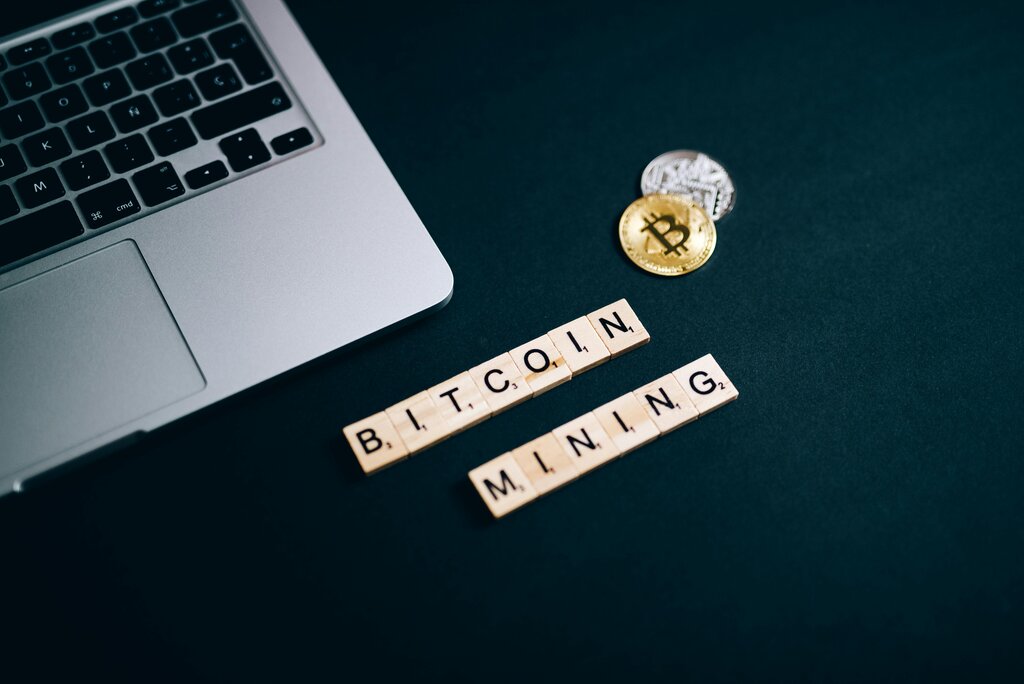
Mining is the process that both creates new bitcoins and validates transactions on the network. Miners use powerful computers to solve complex mathematical problems. The first one to solve the problem gets to add the next block of transactions to the blockchain and is rewarded with a certain amount of newly created Bitcoin.
While this was once possible with a standard home computer, it's no longer practical for individuals. The computational power required is immense, meaning you need specialized, expensive hardware (known as ASICs) and a lot of electricity. The difficulty of the problems also adjusts over time to ensure new blocks are added roughly every 10 minutes, making it a highly competitive field.
For those still interested, the most common approach is to join a mining pool. A pool is a group of miners who combine their computational power to increase their chances of solving a block. When the pool successfully mines a block, the Bitcoin reward is distributed among the participants, proportional to the amount of work each contributed. This provides a more predictable, steady stream of income compared to solo mining, where you could go for years without finding a block.
Even with pools, mining is a serious investment and is generally not a cost-effective way for the average person to acquire Bitcoin today. The costs of hardware and electricity often outweigh the potential rewards unless you have access to very cheap power.
Staying Secure
Regardless of how you acquire Bitcoin, security is paramount. Since Bitcoin transactions are irreversible, there's no bank to call if your funds are stolen. The most important security practice is to manage your own private keys. After buying Bitcoin on an exchange, it's wise to move it to a personal wallet where you control the keys.
There are different types of wallets, but hardware wallets (small, physical devices that store your keys offline) are widely considered the most secure option for storing a significant amount of cryptocurrency. They keep your keys isolated from your internet-connected computer, making them immune to online threats like malware.
Always double-check wallet addresses before sending any funds. A single mistyped character can result in a permanent loss of your Bitcoin. Be wary of scams, phishing attempts, and anyone promising guaranteed high returns. If an offer sounds too good to be true, it almost certainly is.
Ready to check your understanding?
What is the primary trade-off when using a centralized cryptocurrency exchange like Coinbase or Binance?
In a peer-to-peer (P2P) transaction facilitated by a platform like Bisq or Paxful, what is the role of the escrow service?
Each method of acquiring Bitcoin has its own set of benefits and risks. By understanding these differences, you can choose the approach that best fits your goals.