Bitcoin Basics
Introduction to Bitcoin
A New Kind of Money
At its heart, Bitcoin is digital money. It's a way to send value online directly from one person to another, much like handing someone cash. The key difference? With Bitcoin, you don't need a bank or a credit card company in the middle to approve the transaction. It's designed to be a peer-to-peer electronic cash system, cutting out the traditional financial gatekeepers.
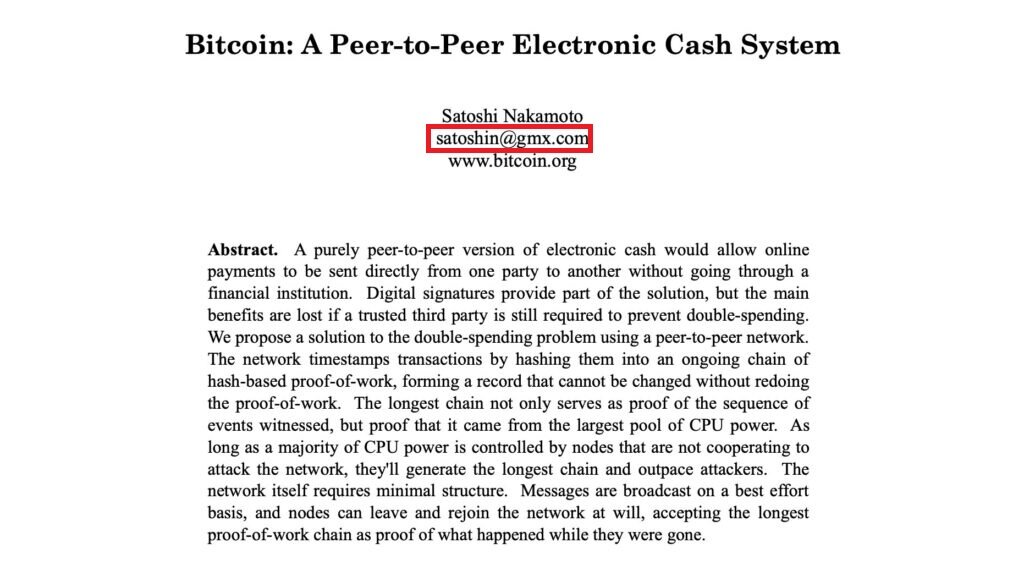
This idea was introduced to the world in 2008 in a paper titled "Bitcoin: A Peer-to-Peer Electronic Cash System." The author used the name Satoshi Nakamoto, but to this day, no one knows the true identity of the person or group behind the name. In January 2009, the Bitcoin network came into existence when Nakamoto created the very first block of the chain, known as the genesis block.
Satoshi Nakamoto’s identity remains one of the biggest mysteries of the 21st century.
What Makes Bitcoin Different
Bitcoin isn't just another online payment app. Its core features make it fundamentally different from the money we use every day. These features were designed to solve problems inherent in traditional finance.
First, Bitcoin is decentralized. Unlike dollars, euros, or yen, which are controlled by central banks, Bitcoin is maintained by a distributed network of computers around the world. No single person, company, or government controls it. This means your funds can't be frozen, and transactions can't be blocked by a central authority. It creates a more open financial system.
Second, it has a limited supply. Traditional currencies can be printed at will by governments, which can lead to inflation and devalue your savings. Bitcoin has a hard cap of 21 million coins that can ever be created. This scarcity is built into its code, making it more like a digital version of gold than a standard currency.
Finally, Bitcoin transactions are pseudonymous. This is a common point of confusion. While Bitcoin is often associated with anonymity, transactions are actually recorded on a public ledger called the blockchain. Anyone can see that a transaction happened between two addresses. However, those addresses—long strings of numbers and letters—don't have names or personal information attached to them by default. So, while your real-world identity is not directly linked, the trail of transactions is public.
A New Player in the Economy
Since its creation, Bitcoin has sparked a revolution in the digital economy. It introduced the world to the idea of a currency that is native to the internet, secured by cryptography, and independent of any central authority. Its success paved the way for thousands of other cryptocurrencies and ignited widespread interest in blockchain, the technology that powers it.
Bitcoin serves multiple roles. For some, it's an investment, a 'digital gold' that acts as a store of value. For others, it's a way to send money across borders quickly and cheaply, avoiding high fees and long wait times from traditional banks. In countries with unstable economies, it can even be a lifeline, protecting savings from hyperinflation.
While still volatile and evolving, Bitcoin has proven that a decentralized digital currency is possible, challenging our traditional ideas about money and finance.
Ready to check your understanding?
What is the primary purpose of Bitcoin as described in its original 2008 whitepaper?
What does it mean for Bitcoin to be decentralized?
You now have a solid foundation of what Bitcoin is and why it matters. Next, we'll explore the technology that makes it all work.