Bitcoin Basics
Introduction to Bitcoin
What is Bitcoin?
Bitcoin is a type of digital money. You can think of it like cash, but it only exists on the internet. It was the first of its kind, a decentralized digital currency that allows you to send and receive value directly with another person, anywhere in the world, without needing a bank or any other middleman.
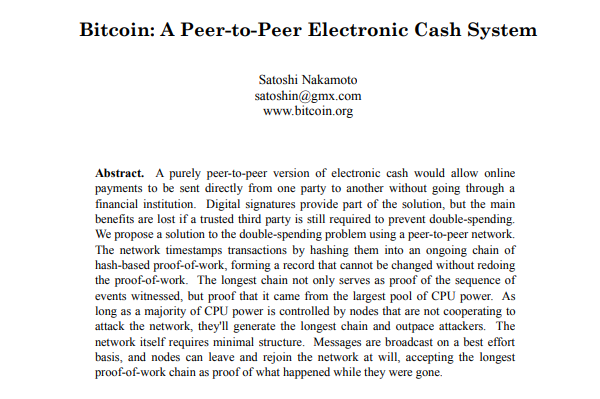
The idea for Bitcoin was published in 2008 by a person or group using the name Satoshi Nakamoto. To this day, nobody knows their true identity. In a paper titled "Bitcoin: A Peer-to-Peer Electronic Cash System," Nakamoto laid out the blueprint for a new form of money that wasn't controlled by any single entity.
No Bosses, No Banks
The most revolutionary idea behind Bitcoin is decentralization. With traditional money, you rely on banks to hold your funds, process your transactions, and keep a record of everything. A central authority, like a government or a central bank, controls the money supply.
Bitcoin works differently. It operates on a peer-to-peer network of thousands of computers around the globe. When you send Bitcoin, you're not asking a bank to move the money for you. You're broadcasting the transaction to this global network, which works together to verify and record it.
Instead of a central authority, Bitcoin is managed by its users. It’s a financial system owned by everyone who uses it.
The Digital Ledger
So, if there's no bank keeping records, how does everyone know who owns what? The answer is a technology called blockchain.
At its most basic level, a blockchain is a digital ledger maintained by a decentralized network of computers.
Imagine a giant, public notebook that's shared with everyone on the Bitcoin network. Every transaction is recorded as a new entry in this notebook. These entries, or "blocks," are linked together in chronological order, forming a "chain."
Once a block is added to the chain, it's practically impossible to alter or remove it. This makes the blockchain a highly secure and transparent record of every Bitcoin transaction ever made. Everyone can see the ledger, but no single person can change it.
A Limited Supply
One of Bitcoin's most important features is its fixed supply. Unlike traditional currencies, which governments can print more of at any time, there will only ever be 21 million Bitcoin.
This scarcity is built into Bitcoin's code. It's what makes it similar to precious resources like gold. Because there's a finite amount, it can't be devalued by creating more. This predictable supply is a core part of its design.
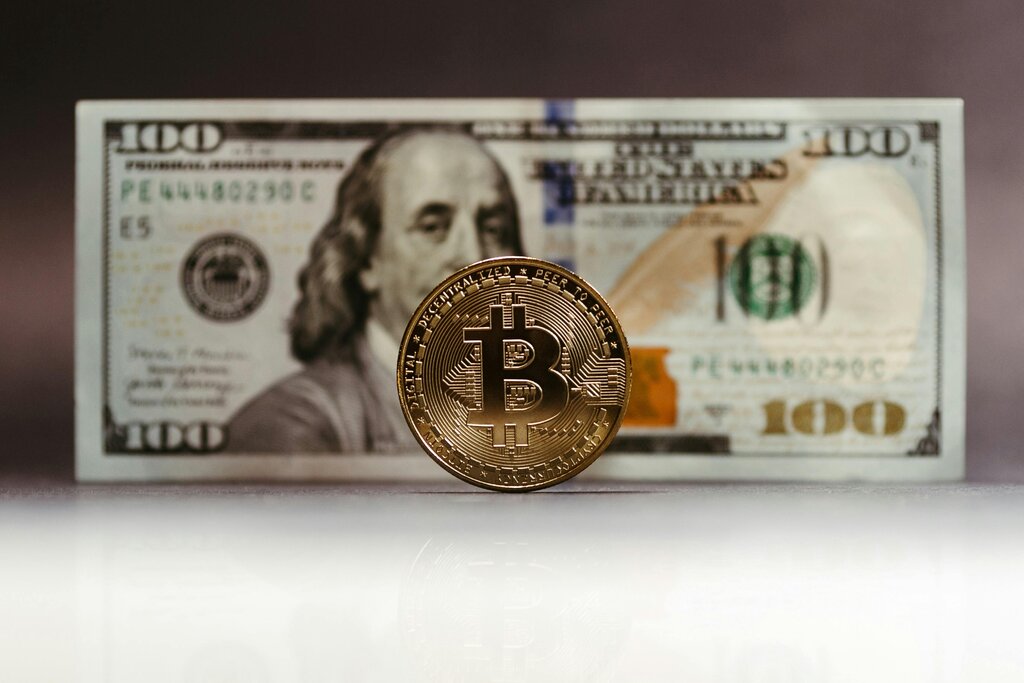
This combination of decentralization, security through blockchain technology, and a fixed supply is what makes Bitcoin a unique and groundbreaking invention. It created a new way to think about money and value in the digital age.