Bitcoin Basics
Introduction to Bitcoin
A New Kind of Money
In late 2008, as the world reeled from a major financial crisis, a mysterious person or group named Satoshi Nakamoto published a paper online. It was called "Bitcoin: A Peer-to-Peer Electronic Cash System." This nine-page document proposed a radical new idea: a form of digital money that didn't need banks, governments, or any central authority to work.
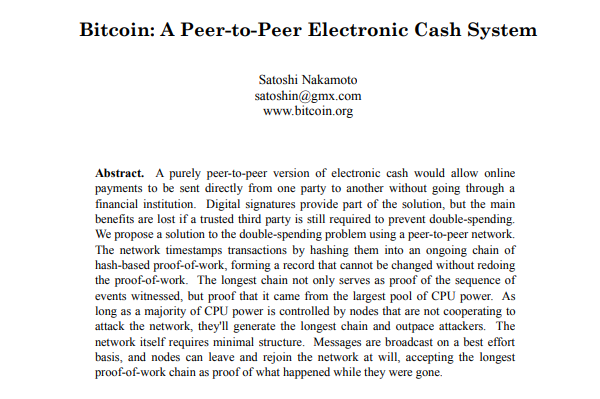
The goal was simple yet revolutionary. Nakamoto wanted to create a way for people to send money directly to each other over the internet, just like handing someone cash. No waiting for a bank to approve the transfer, no high fees for sending money across borders, and no single entity in control. This was the birth of the world's first cryptocurrency.
No More Middlemen
Think about how money usually works. If you send $20 to a friend, you probably use a bank or an app. That company acts as a trusted middleman, updating your account balance and your friend's. They keep a private record, or ledger, of the transaction. The entire traditional financial system relies on these intermediaries.
Bitcoin gets rid of the middleman. Instead of one central company keeping the ledger, the ledger is shared across a global network of computers. This is called decentralization. It means no single person, company, or government can control the network, freeze your account, or block a payment.
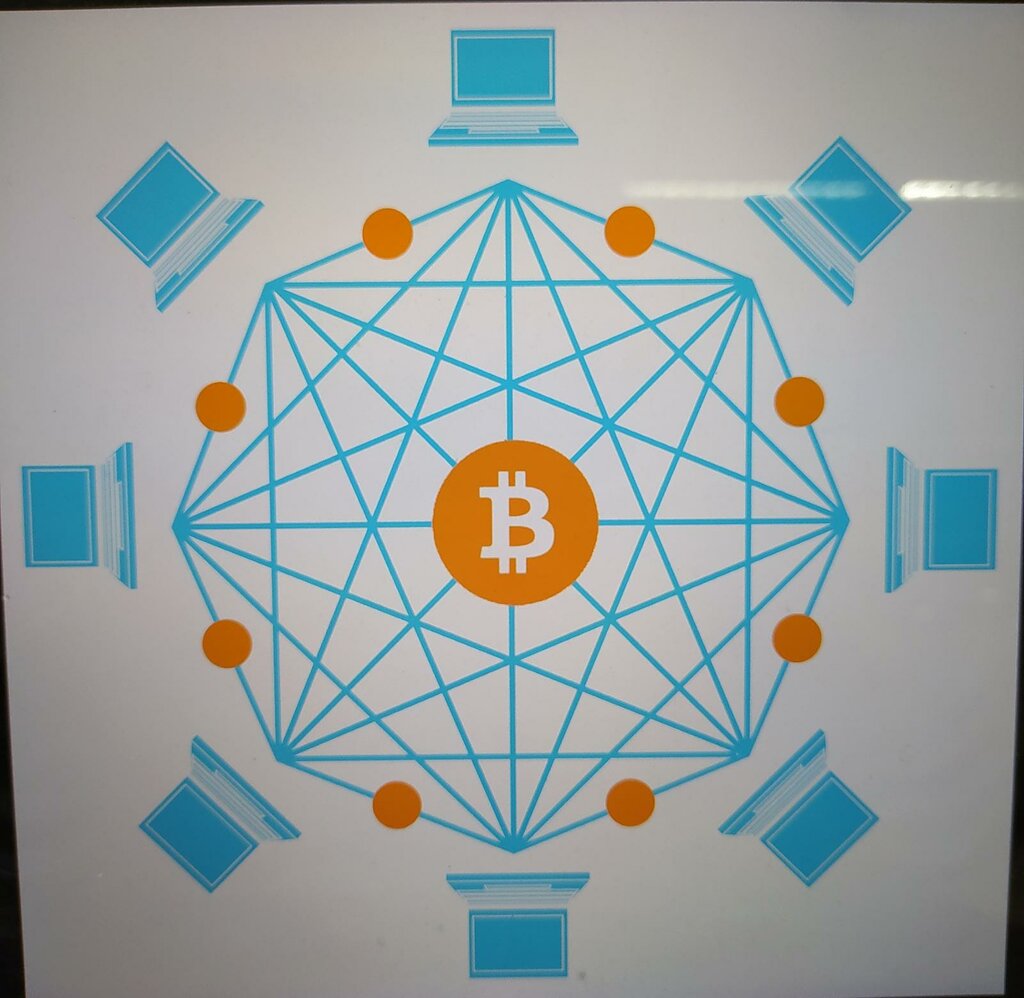
By removing intermediaries, Bitcoin aims to make finance more open and accessible. Sending money to someone in another country can be as easy as sending an email, often with lower fees and faster settlement times than traditional banking.
With Bitcoin, you are your own bank. You have full control over your money.
A Shared Record Book
So, if there's no bank, how does everyone keep track of who owns what? The answer is a public ledger called the blockchain. You can think of it as a giant, shared digital accounting book that everyone can see.
Every Bitcoin transaction that has ever happened is recorded in this book. Because the ledger is distributed across thousands of computers worldwide, it's incredibly difficult to cheat or change. To alter a past transaction, a bad actor would have to hack thousands of computers simultaneously, which is practically impossible.
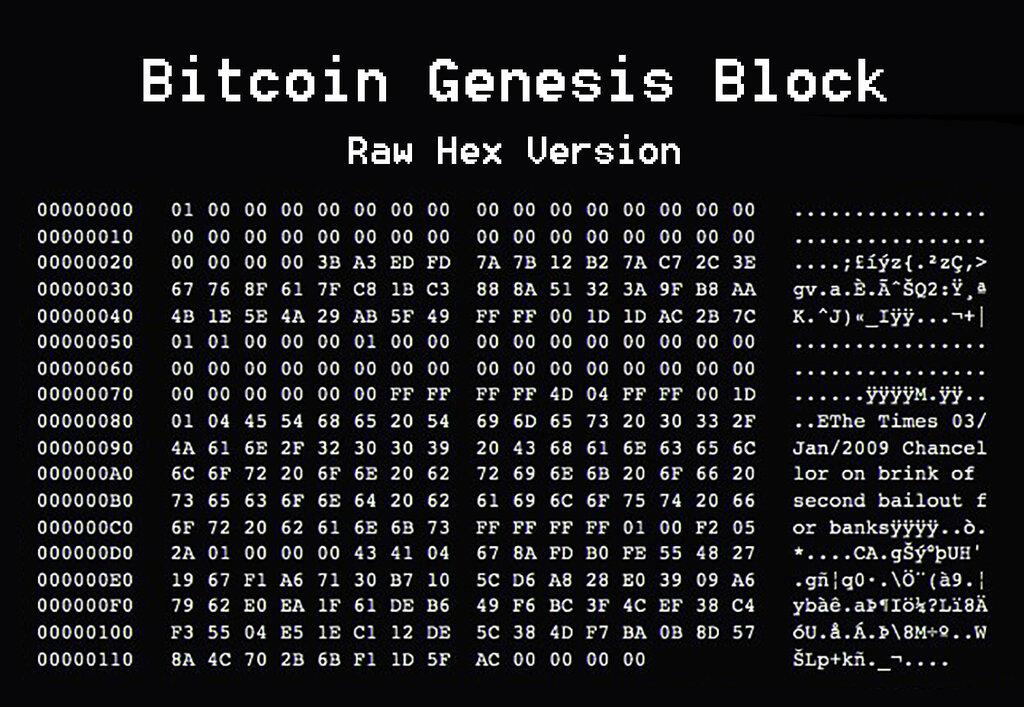
This public ledger creates trust through transparency. While anyone can view the transactions on the network, the identities of the participants are pseudonymous. Transactions are linked to digital addresses, not personal names or information. This creates a system where transactions are transparent, but users can remain private.
Time to review what you've learned.
Who is credited with creating Bitcoin and publishing the original whitepaper?
What was the primary problem Bitcoin was designed to solve?
Bitcoin introduced a new way to think about money, putting power back into the hands of individuals and challenging the structure of traditional finance.