Bispecific Antibodies Explained
Introduction to Antibodies
The Body's Security System
Your body is constantly under siege from invaders like bacteria, viruses, and other foreign substances. To defend itself, it has a highly specialized security force called the immune system. One of the most important players on this team is the antibody.
Antibodies, also known as immunoglobulins, are Y-shaped proteins that play a crucial role in the adaptive immune system.
Think of antibodies as tiny, molecular detectives. They are produced by a type of white blood cell called a B cell. Their job is to patrol your body, identify specific threats, and tag them for elimination.
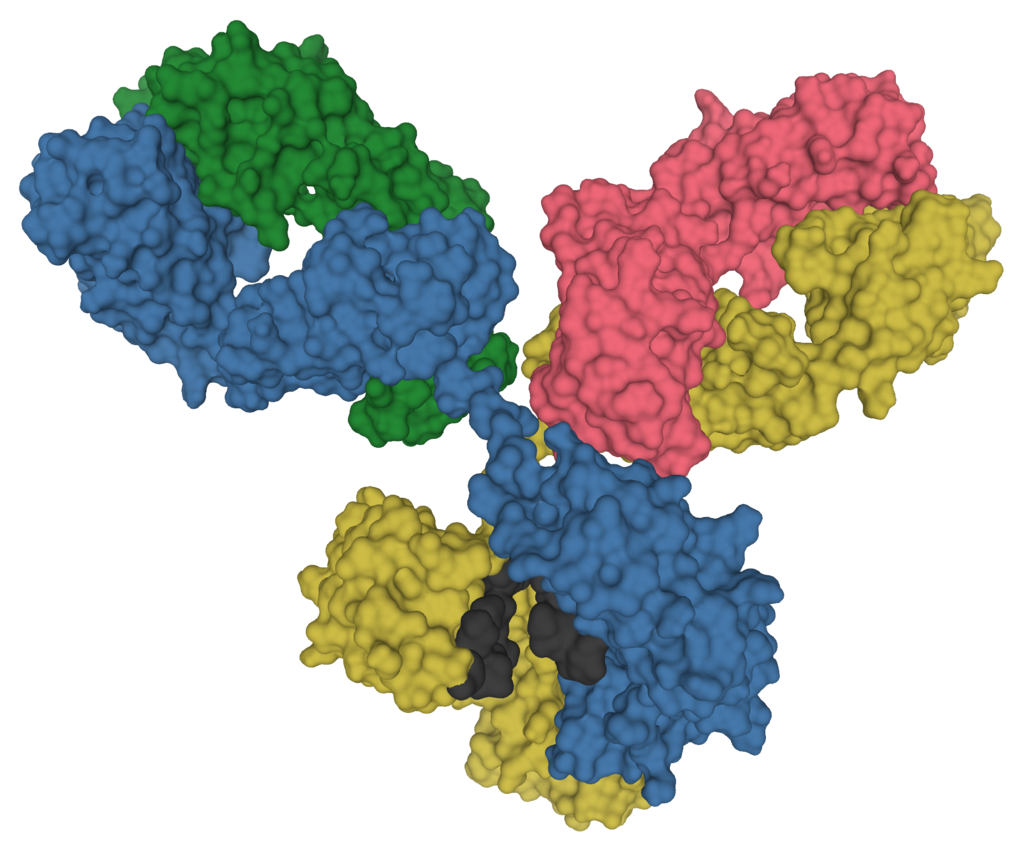
This distinctive Y-shape is perfectly suited for its job. The two arms of the Y have unique tips that are designed to recognize and bind to a specific part of an invader. This target is called an antigen.
antigen
noun
A toxin or other foreign substance that induces an immune response in the body, especially the production of antibodies.
Each antibody is incredibly specific. The antibody that recognizes the flu virus won't recognize a strep bacterium. This specificity is like a lock and key system, ensuring that the immune response is precise and targets only the real threats.
Tag and Destroy
So what happens after an antibody binds to its antigen? The antibody doesn't usually destroy the invader on its own. Instead, it acts as a flag.
By attaching to a pathogen, an antibody marks it for destruction by other parts of the immune system.
The stem of the Y-shaped antibody, called the Fc region, is like a handle that other immune cells can grab onto. Once the antibody is bound to a pathogen, killer cells like macrophages can easily find the tagged invader and engulf it, a process called phagocytosis.
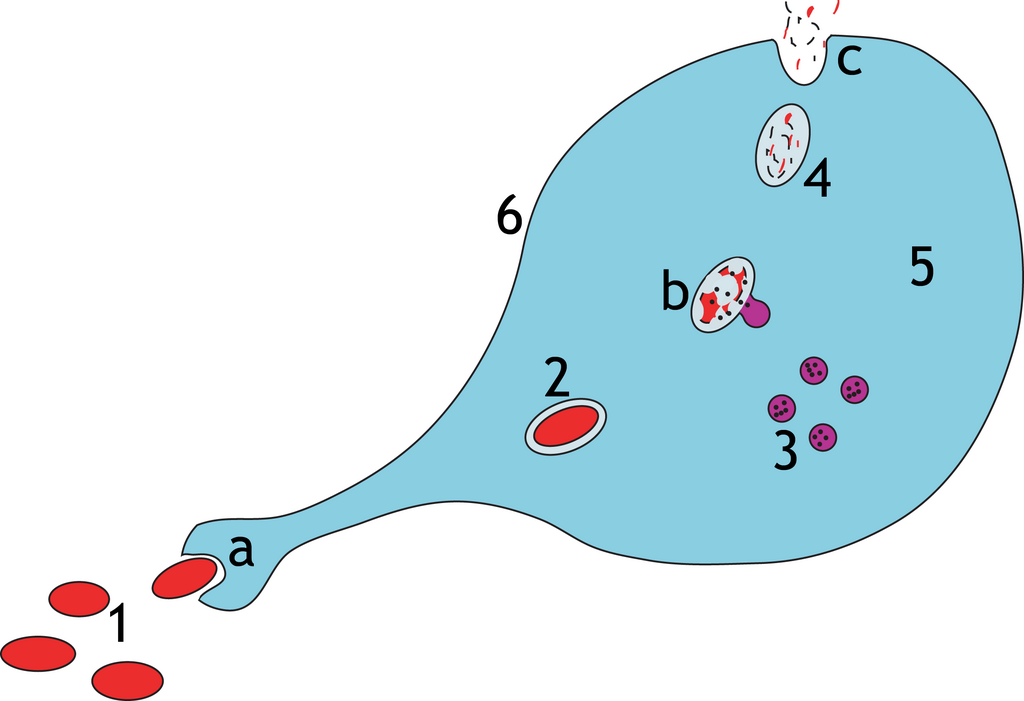
Antibodies can also neutralize threats directly. By swarming and coating a virus, for instance, they can physically block it from entering and infecting your cells. This is like putting a cover on a key so it can no longer fit in the lock.
Antibodies as Medicine
Scientists have harnessed the power of antibodies to create powerful medicines. By identifying a specific antibody that is highly effective against a certain disease target, like a cancer cell or a virus, they can produce large quantities of that exact antibody in a lab. These are called monoclonal antibodies.
Monoclonal means that the antibodies are all identical clones, derived from a single parent B cell. This makes them incredibly specific and effective.
This technology has led to groundbreaking treatments for a wide range of conditions, from cancer to autoimmune diseases. For example, some monoclonal antibody drugs are designed to bind to proteins on the surface of cancer cells. Just like in a natural immune response, this flags the cancer cells for destruction by the patient's own immune system.
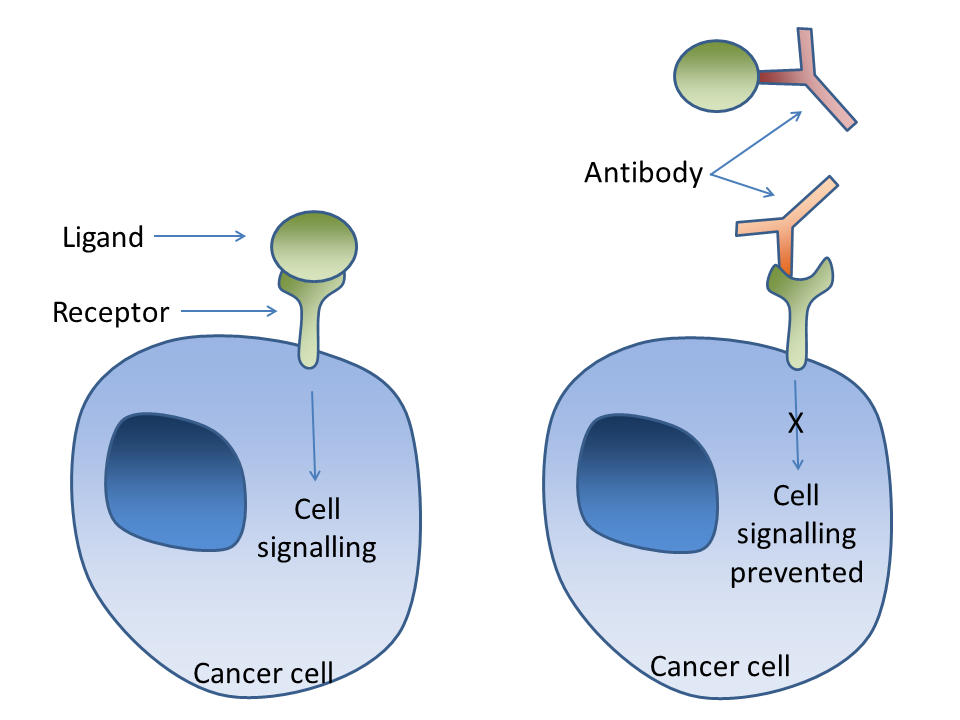
Other antibody therapies work by blocking overactive parts of the immune system, providing relief for people with autoimmune disorders like rheumatoid arthritis or Crohn's disease. The ability to design these highly specific molecules has opened up a new era in medicine.
Let's check your understanding of these molecular defenders.
What type of cell is responsible for producing antibodies?
The high specificity of an antibody is often compared to a 'lock and key' system. What does this analogy highlight?
Understanding these basic principles of antibody structure and function is the first step toward appreciating how scientists are engineering even more advanced antibody-based therapies.