Biotech Essentials for Deeptech Pros
Introduction to Biotechnology
What is Biotechnology?
At its core, biotechnology is the use of living organisms or their products to create or modify products for a specific use. It's where biology meets technology. This might sound futuristic, but humans have been practicing biotechnology for thousands of years. Every time you've enjoyed a slice of bread, a piece of cheese, or a glass of beer, you've experienced the results of ancient biotechnology. Early humans used fermentation, a process driven by microorganisms, to preserve food and create new products.
biotechnology
noun
The use of biological processes, organisms, or systems to manufacture products intended to improve the quality of human life.
Modern biotechnology is much more complex, of course. It builds on our advanced understanding of genetics, molecular biology, and cellular processes. Today, scientists can manipulate DNA, engineer cells, and design biological systems to solve some of the world's biggest challenges, from curing diseases to creating sustainable fuels.
A Quick Trip Through Time
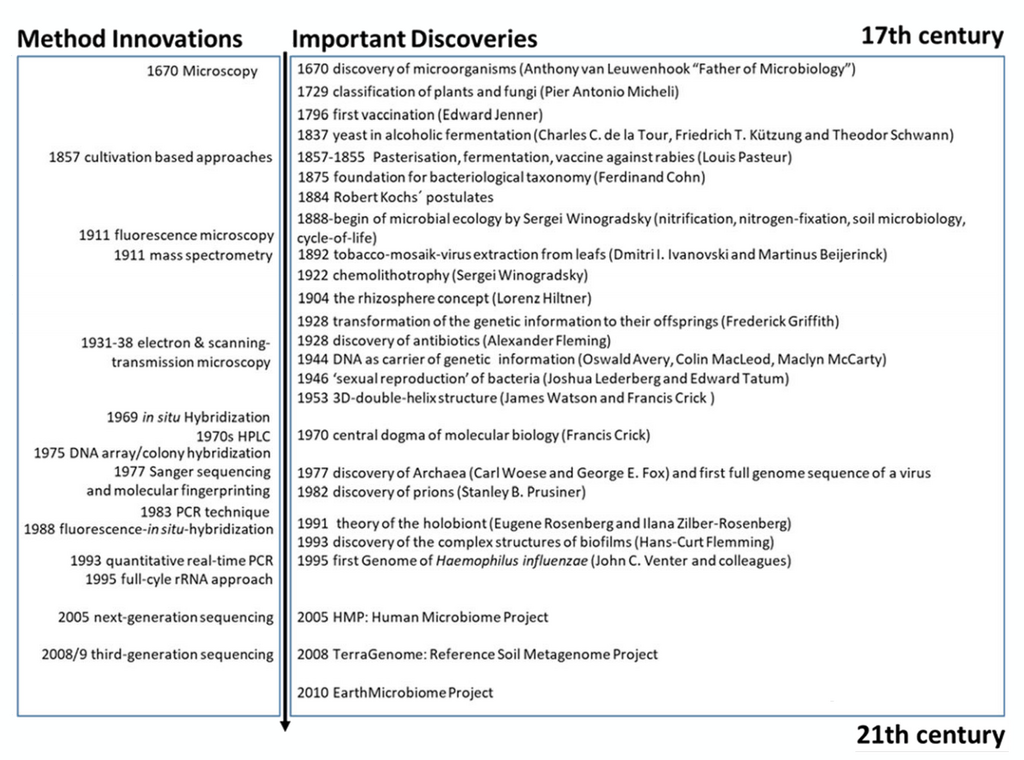
Biotechnology's journey from fermented foods to gene editing is a long and fascinating one. After thousands of years of using fermentation without understanding the science, the 19th century brought major breakthroughs. Louis Pasteur discovered the role of microbes in fermentation, and Gregor Mendel's experiments with pea plants laid the groundwork for modern genetics.
The 20th century accelerated the pace of discovery. Alexander Fleming's accidental discovery of penicillin in 1928 ushered in the age of antibiotics. In 1953, James Watson and Francis Crick unveiled the double-helix structure of DNA, giving scientists the blueprint of life itself. This discovery was the key that unlocked the door to modern biotechnology. By the 1970s, researchers had developed techniques for recombinant DNA, allowing them to cut and paste DNA sequences between different organisms. This marked the birth of genetic engineering.
Biotechnology in Action
Biotechnology isn't just one field; it's a collection of tools and techniques applied across many different sectors. To make sense of it all, people often use a color-coded system.
Red Biotechnology is focused on medicine and healthcare. This includes developing new drugs, therapies, and diagnostic tools. Think of engineered insulin for diabetics, gene therapies that correct genetic disorders, or the rapid development of mRNA vaccines.
Green Biotechnology applies to agriculture. It aims to improve crops and livestock to make farming more sustainable and productive. Examples include creating pest-resistant crops that require fewer pesticides, engineering foods with enhanced nutritional value (like Golden Rice), and developing drought-tolerant plants to cope with climate change.
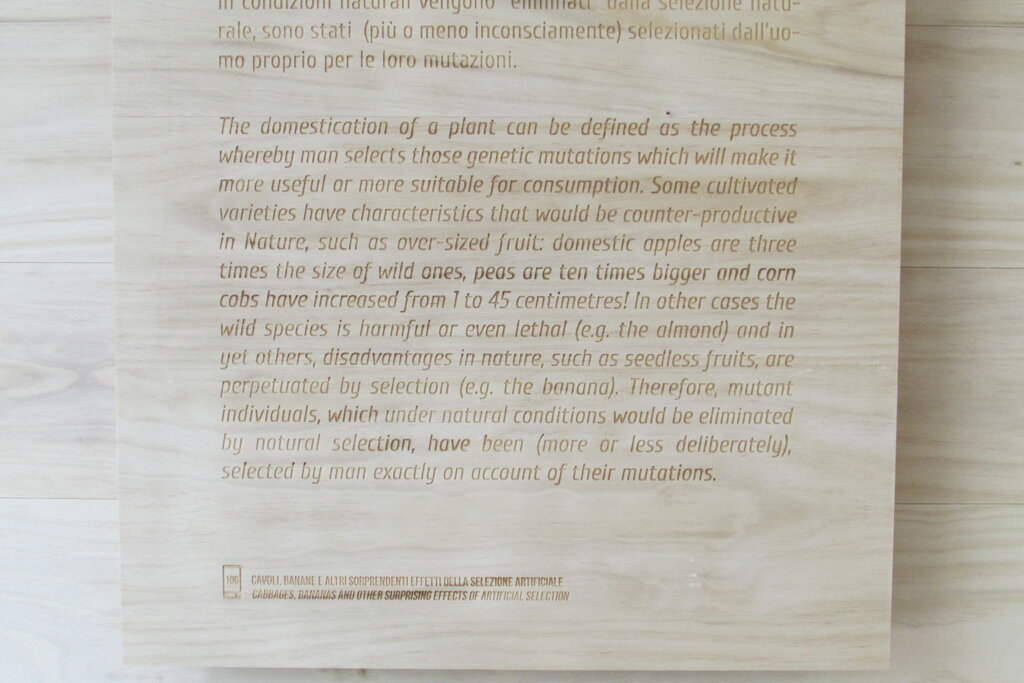
White Biotechnology is used in industrial processes. This field leverages enzymes and microorganisms as microscopic factories to produce chemicals, plastics, and biofuels in a more environmentally friendly way than traditional methods. It helps make manufacturing cleaner and more efficient.
Blue and Gray Biotechnology are concerned with aquatic and environmental applications, respectively. Blue biotech explores marine organisms for new products, while gray biotech, also known as environmental biotechnology, focuses on cleaning up pollution. This includes bioremediation, where microbes are used to break down contaminants in soil and water.
Ethical Questions
As biotechnology becomes more powerful, it raises important ethical questions that society must address. The ability to edit genes, for instance, offers the potential to cure devastating diseases but also opens the door to debates about 'designer babies' and unforeseen long-term consequences.
Key ethical discussions in biotechnology revolve around several themes:
- Safety: How can we ensure that genetically modified organisms (GMOs) don't harm the environment or human health?
- Equity: Who will have access to expensive new therapies and technologies? Will they widen the gap between the rich and the poor?
- Consent: How should genetic information be used and protected? Who owns your genetic data?
- Morality: Where do we draw the line? Are there certain applications of biotechnology that should be off-limits?
Ultimately, the ethical considerations in biotechnology demand a comprehensive approach that prioritizes transparency, informed consent, environmental sustainability, and equitable distribution of benefits to navigate the ethical challenges posed by advancing biotechnological capabilities.
There are no easy answers to these questions. They require ongoing dialogue between scientists, policymakers, and the public to ensure that biotechnology is developed responsibly and for the benefit of all.
What is the core principle of biotechnology?
The practice of using fermentation to make bread and beer is a recent development from modern biotechnology.
Biotechnology is a dynamic and rapidly evolving field. From its ancient roots in fermentation to the cutting-edge gene-editing tools of today, it continues to shape our world in profound ways.