Biotech DCF and Returns Analysis Fundamentals
Biotech Industry Overview
What is Biotechnology?
At its core, biotechnology uses living organisms or their components to create products. Think of it like a highly advanced form of brewing or baking, but instead of making bread or beer, scientists are developing new medicines, more resilient crops, or even biofuels. The industry harnesses biology to solve problems.
Biotechnology
noun
The use of living systems and organisms to develop or make products, or any technological application that uses biological systems, living organisms, or derivatives thereof, to make or modify products or processes for specific use.
This field isn't just one thing; it's a collection of tools and techniques. From editing genes with CRISPR to designing custom proteins, biotech applies our understanding of life's code to create practical solutions. Its scope is vast, touching everything from the food we eat to the medicines that keep us healthy.
The Industry's Key Segments
The biotech industry is often broken down into a few major areas, each with its own focus and set of challenges. While there's plenty of overlap, understanding these segments helps clarify where different companies fit in.
- Medical Biotechnology: This is the largest and most well-known segment. It focuses on developing new drugs, vaccines, and diagnostic tools to treat and prevent human diseases. Companies in this space work on everything from cancer therapies to gene editing.
- Agricultural Biotechnology: This area applies biotech tools to improve crops and livestock. This can mean creating plants that are resistant to pests, drought, or herbicides, or enhancing the nutritional value of food.
- Industrial Biotechnology: This segment uses biological processes to produce materials, chemicals, and energy. Examples include developing biofuels from algae, creating biodegradable plastics, and using enzymes to make manufacturing processes more efficient and environmentally friendly.
The Clinical-Stage Company
Within medical biotech, a special focus is often placed on "clinical-stage" companies. These are businesses that have moved beyond initial laboratory research and are now testing their potential drug or therapy in human beings. They have a product candidate, but it isn't approved for sale yet.
A clinical-stage company is defined by its journey through clinical trials. It has an idea that worked in a petri dish and in animals, and is now trying to prove it's safe and effective for people.
This stage is critical. Most of these companies have no revenue from product sales. Instead, they spend significant amounts of money—often hundreds of millions of dollars—on research and development, particularly on running the clinical trials themselves. Their value is based almost entirely on the potential of their lead product candidate succeeding. This makes them high-risk, but also potentially high-reward, investments.
Navigating the Regulatory Maze
Before any new drug can be sold, it must be approved by a government regulatory agency. In the United States, this is the Food and Drug Administration (FDA). In Europe, it's the European Medicines Agency (EMA). These bodies are responsible for ensuring that all new treatments are both safe for patients and effective at treating the condition they target.
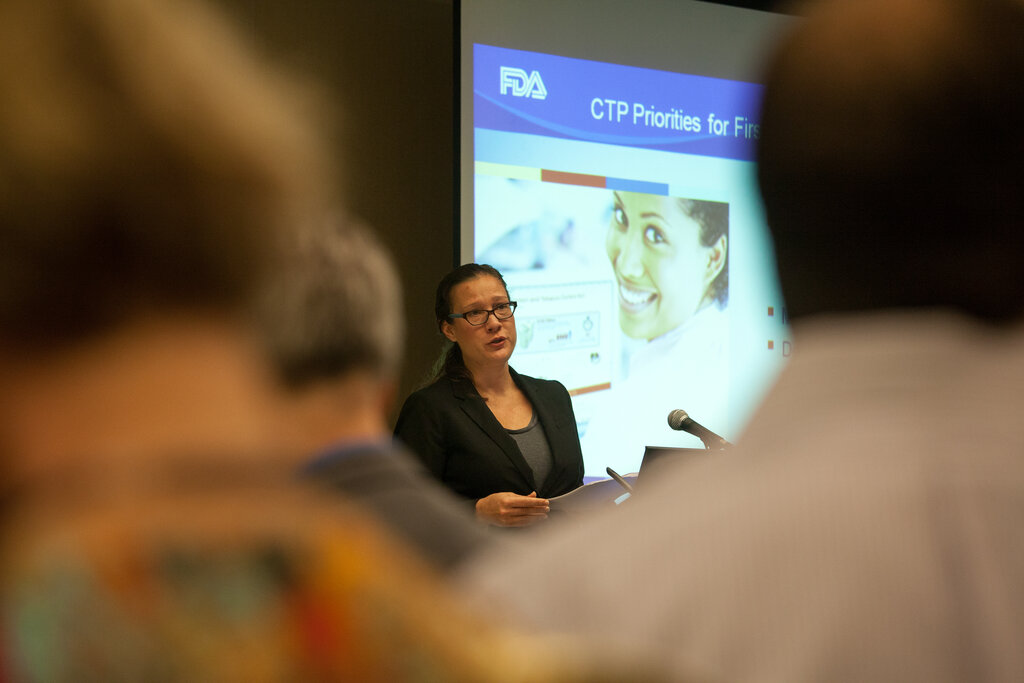
The approval process is built around a series of clinical trials, which are conducted in phases. Each phase is a hurdle that a drug must clear before it can proceed to the next.
| Phase | Primary Goal | Typical Number of Participants |
|---|---|---|
| Phase I | Safety | 20-100 healthy volunteers |
| Phase II | Efficacy & Dosing | 100-300 patients with the condition |
| Phase III | Large-Scale Confirmation | 1,000-3,000 patients with the condition |
| Approval | Regulatory Review | FDA/EMA review of all data |
Successfully completing all three phases can take many years and there is no guarantee of success at any stage. A drug can fail for not being safe enough, not being effective enough, or sometimes for being only marginally better than existing treatments.
This long and expensive process creates significant challenges for biotech companies.
The biggest hurdles are scientific, financial, and regulatory. A company must discover something that works, fund its development through years of trials, and convince regulators it meets the bar for approval.
Because of these hurdles, most experimental drugs that enter clinical trials never make it to market. The high failure rate is a defining feature of the industry and a key risk that must be considered when evaluating any clinical-stage company.