Biotech and Pharma Business Development
Industry Overview
Biotech vs. Pharma
At first glance, the biotechnology and pharmaceutical industries seem like the same thing. Both aim to create treatments for diseases. The key difference lies in how they get there.
Think of the pharmaceutical industry as master chemists. They typically work with chemical compounds to create drugs. Most traditional pills, like aspirin or statins, are products of chemical synthesis. They are small-molecule drugs, designed to interact with specific targets in the body.
Biotechnology, on the other hand, works with living systems. It uses cells, bacteria, or enzymes to produce treatments. These are often large-molecule drugs, like antibodies or vaccines. It's like being a master gardener, cultivating biological processes to create a specific outcome. While pharma synthesizes, biotech cultivates.
In short: Pharma typically uses chemistry to create synthetic drugs, while biotech uses biology to create drugs from living organisms.
The Industry Players
The landscape is populated by a few distinct types of companies.
Big Pharma: These are the household names—massive global corporations with deep pockets for research, development (R&D), and marketing. They have the resources to run huge clinical trials and bring drugs to a global market.
Biotech Startups: These are often smaller, more nimble companies focused on a specific, cutting-edge technology, like gene editing or cell therapy. They are the innovation engines of the industry but often lack the funds to take a drug all the way to market. Many end up partnering with or being acquired by larger companies.
Generic Manufacturers: Once a brand-name drug's patent expires, other companies can produce and sell a generic version. These companies focus on manufacturing efficiency to offer the drug at a lower cost.
Contract Research Organizations (CROs): Not every company has the expertise or capacity to run every part of the drug development process. CROs are service providers that biotech and pharma companies hire to manage clinical trials, navigate regulations, or handle manufacturing.
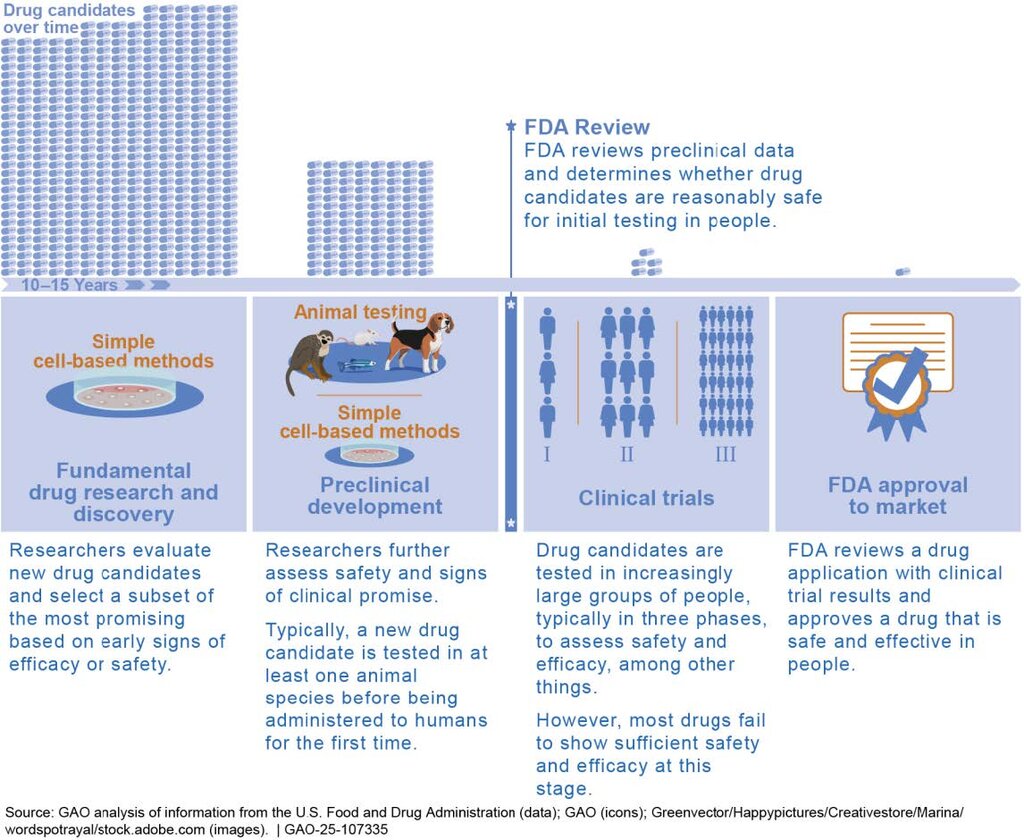
The Gatekeepers
No new drug can reach patients without approval from regulatory bodies. These government agencies act as gatekeepers, ensuring that new treatments are both safe and effective. Their review process is famously rigorous and is the main reason drug development takes so long.
Two of the most influential agencies in the world are:
- The U.S. Food and Drug Administration (FDA): The FDA oversees food, drugs, medical devices, and other products in the United States. Its approval is considered a global benchmark.
- The European Medicines Agency (EMA): The EMA performs a similar function for the European Union, evaluating and supervising medicines for use across its member states.
Getting a drug through these stages is a monumental task. Companies must submit vast amounts of data proving their product works as intended without causing unacceptable harm. Only a small fraction of drugs that enter preclinical research ever make it to patients.
A Dynamic Market
The biotech and pharma industries are constantly changing. One major trend is mergers and acquisitions (M&A). Big Pharma companies often acquire innovative biotech startups to replenish their drug pipelines and gain access to new technologies. It’s a symbiotic relationship: the startup gets the resources to advance its science, and the large company gets a potential new blockbuster drug.
Investment patterns also tell a story. In recent years, money has poured into areas like oncology, rare diseases, and personalized medicine, which aims to tailor treatments to an individual's genetic makeup. Global events can also cause dramatic shifts. A pandemic, for instance, can trigger a massive, coordinated effort to develop vaccines and treatments at unprecedented speed, channeling immense public and private funding into virology and immunology research.
Now that you have an overview of the industry, test your knowledge.
What is the primary difference between how pharmaceutical and biotechnology companies typically create treatments?
A small, innovative company develops a groundbreaking gene-editing technique but lacks the funding for large-scale clinical trials. Which entity is it most likely to partner with or be acquired by to bring its discovery to market?
Understanding the structure of the biotech and pharma worlds is the first step in navigating them. It's a complex ecosystem of science, finance, and regulation, all aimed at a single goal: improving human health.