Biostimulants in Agriculture
Introduction to Biostimulants
What Are Biostimulants?
Imagine a plant as an athlete. Fertilizers are like a pre-game meal, providing the essential calories and nutrients for performance. Pesticides act as a medic, protecting the athlete from injuries or illnesses. But what about the coach? The coach doesn't provide the food or the medicine, but instead encourages the athlete, refines their technique, and helps them perform at their peak, especially under pressure. Biostimulants are like a plant's personal coach.
They are substances or microorganisms applied to plants, seeds, or soil that stimulate natural processes. Their goal is to improve how a plant takes up nutrients, handles stress, and grows, which can lead to better quality crops and higher yields. They don't add nutrients directly or fight pests. Instead, they enhance the plant's own internal systems.
Biostimulants work by improving a plant's own natural abilities, making it more efficient and resilient.
Not a Fertilizer, Not a Pesticide
It's easy to confuse biostimulants with fertilizers and pesticides because they all help plants thrive. However, their roles are fundamentally different. Fertilizers feed the plant by supplying essential macro and micronutrients like nitrogen, phosphorus, and potassium. Pesticides protect the plant by killing or repelling pests, diseases, and weeds.
Biostimulants occupy a third, distinct category. They don't replace the need for nutrients or pest control. Instead, they make the plant better at using the resources it has and coping with challenges on its own.
| Category | Primary Function | Example |
|---|---|---|
| Fertilizer | Provides nutrients | Nitrogen, Phosphorus |
| Pesticide | Protects from pests | Insecticides, Herbicides |
| Biostimulant | Enhances natural processes | Humic acids, Seaweed extracts |
This distinction is crucial. Using a biostimulant won't fix a nitrogen deficiency, but it might help the plant absorb the nitrogen that's already in the soil more effectively. It won't kill an aphid infestation, but it could help the plant recover more quickly from the stress caused by the pests.
Role in Sustainable Farming
Modern agriculture faces a major challenge: how to feed a growing population without harming the environment. Overuse of fertilizers can lead to water pollution, and reliance on chemical pesticides can damage ecosystems and soil health. Biostimulants offer a promising tool for a more sustainable approach.
By improving a plant's nutrient use efficiency, biostimulants can help farmers reduce the amount of fertilizer they need to apply. This not only saves money but also minimizes environmental runoff. When plants are more resilient to stress, they are less vulnerable to pests and diseases, potentially reducing the need for pesticides.
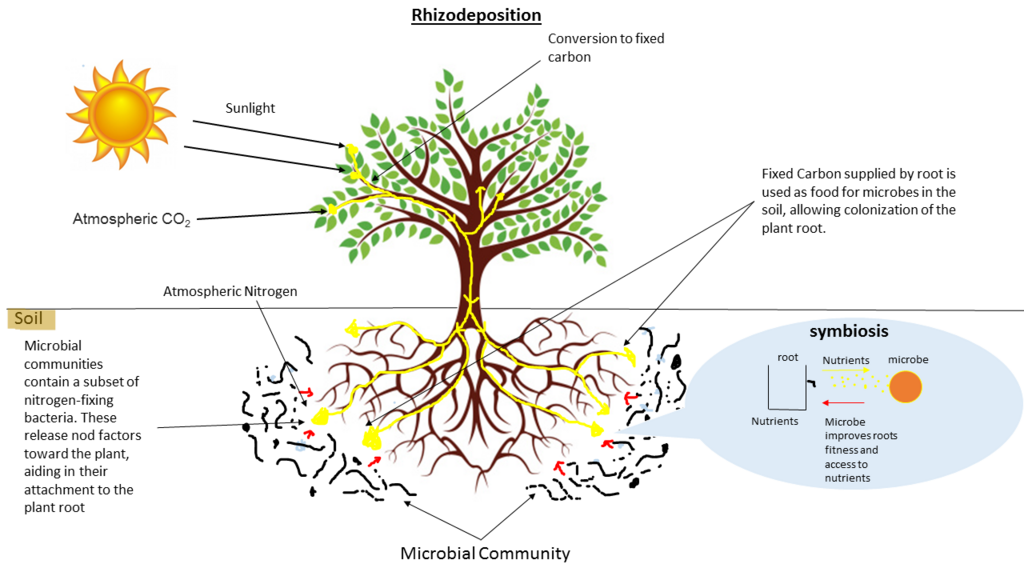
Furthermore, many biostimulants are derived from natural and organic sources, such as seaweed, beneficial fungi, or plant extracts. This makes them a good fit for organic farming and regenerative agriculture practices that focus on building healthy, living soil.
Key Benefits
The primary advantage of biostimulants is their ability to help plants cope with abiotic stress. This refers to environmental challenges that aren't caused by living organisms, such as drought, extreme temperatures, or high salinity in the soil. These are major factors that limit crop yields worldwide.
A plant treated with a biostimulant might develop a more robust root system, allowing it to find water deeper in the soil during a dry spell. It might also produce compounds that protect its cells from damage caused by heat or cold. By bolstering the plant's natural defense and survival mechanisms, biostimulants help ensure a more stable and reliable harvest, even when conditions are less than ideal.
Time for a quick check-in on what we've covered.
Using the analogy of a plant as an athlete, which role does a biostimulant play?
A farmer's field has soil with adequate nitrogen, but the plants are struggling to absorb it. A biostimulant can help fix this problem.
In essence, biostimulants represent a smarter, more nuanced way of working with plants. Instead of just feeding them or protecting them, we are learning how to coach them to be the best they can be.