Biometrics Explained
Introduction to Biometrics
More Than a Password
Think about how you prove who you are. You might use a password, a key, or an ID card. These are things you know or things you have. Biometrics is different. It's about proving who you are based on something you are.
Biometrics
noun
The measurement and statistical analysis of people's unique physical and behavioral characteristics.
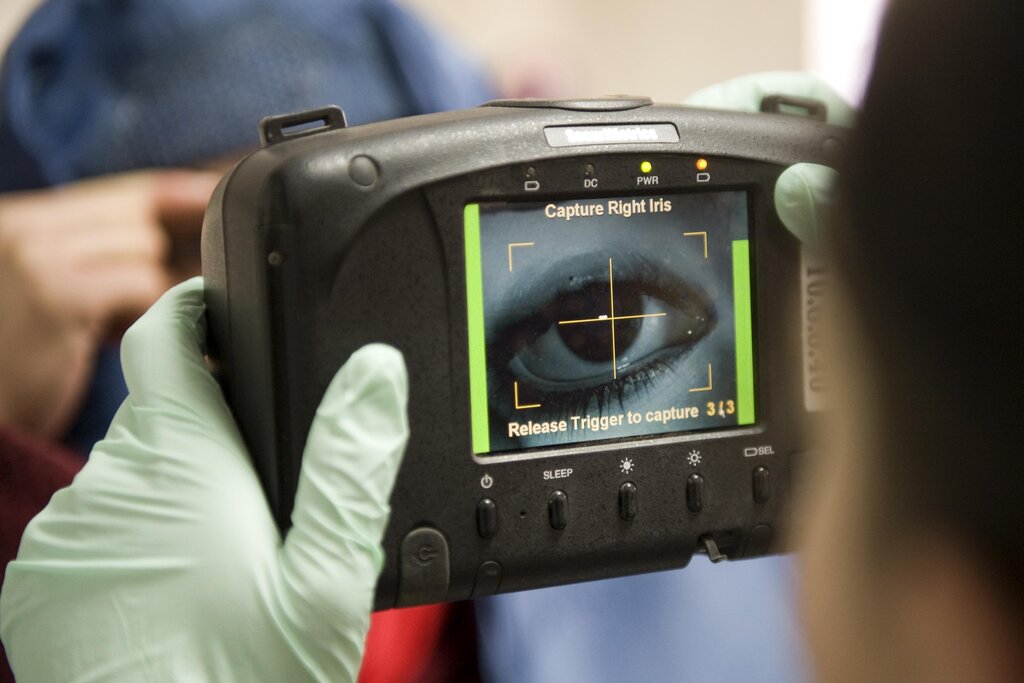
This science uses your unique traits as a form of identification. These can be physical, like your fingerprints, the pattern of your iris, or the shape of your face. They can also be behavioral, such as the way you walk or the sound of your voice.
The significance is huge. Unlike a password, you can't forget your fingerprint. Unlike a key, you can't lose your face. This makes biometrics a powerful tool for security and convenience.
An Old Idea, New Technology
Using body measurements to identify people isn't a new concept. In the 19th century, French police officer Alphonse Bertillon developed a system called anthropometry. It involved taking detailed measurements of a person's body parts to create a unique profile for catching repeat offenders.
Around the same time, scientists like Sir Francis Galton were formalizing the study of fingerprints, proving that no two are alike. This laid the groundwork for using fingerprints in criminal investigations, one of the earliest large-scale uses of biometrics.
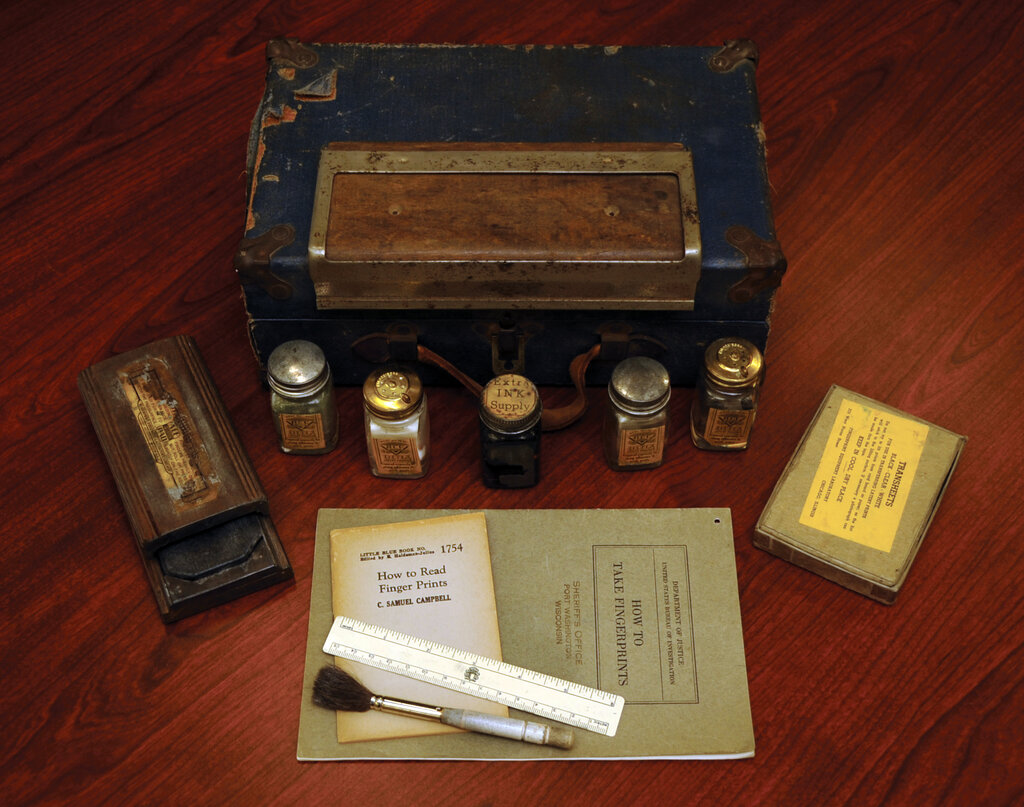
For a long time, the process was manual and slow, relying on ink pads and filing cabinets full of cards. The real revolution came with computers. The ability to digitize, store, and quickly compare millions of biometric records transformed the field from a niche forensic tool into the everyday technology we use today.
Identification vs. Verification
Biometric systems generally perform one of two tasks: verification or identification. Understanding the difference is key.
Verification answers the question: "Are you who you say you are?" It's a one-to-one comparison. When you unlock your phone with your face, you are claiming an identity (that you're the phone's owner), and the phone verifies it by matching your face to the one stored in its memory.
Verification is a 1:1 check. Your biometric data is compared against one specific record that you claim is yours.
Identification, on the other hand, answers the question: "Who are you?" This is a one-to-many comparison. Imagine a police database of fingerprints from crime scenes. When a new print is found, investigators don't have a specific person in mind. They scan the print and compare it against the entire database to see if it matches anyone.
Identification is a 1:N check. Your biometric data is compared against all records in a database to find a match.
So, verification confirms a claimed identity, while identification establishes an identity from a pool of possibilities.
Biometrics in Action
Once a specialized technology, biometrics are now woven into the fabric of modern life. Your daily routine probably involves several biometric systems.
Personal Devices: The most common use is securing smartphones, laptops, and tablets. Fingerprint sensors and facial recognition have largely replaced PINs and passwords for unlocking devices and authorizing payments.
Law Enforcement: Police and forensic teams have used fingerprint databases for over a century to identify suspects and solve crimes. Today, their toolkit has expanded to include facial recognition and DNA analysis.
Border Control: Many countries now use biometric passports, or e-Passports. These contain a chip that stores a digital photograph of your face. At automated border gates, a camera scans your face and compares it to the photo on the chip, verifying your identity and speeding up immigration lines.
Healthcare: To prevent fraud and ensure the right patient gets the right care, hospitals are starting to use biometrics like palm vein scans to identify patients. This links individuals directly to their medical records, reducing errors.
From unlocking your phone to crossing a border, biometrics provide a seamless and secure way to manage identity.