Biomedical Engineering Essentials
Introduction to Biomedical Engineering
The Engineer in the Hospital
Imagine a bridge. Engineers design bridges to be strong, durable, and safe for people to cross. Now, imagine the human body as an incredibly complex landscape. Biomedical engineering is the field that builds bridges within that landscape. It combines the problem-solving tools of engineering with the life-saving knowledge of biology and medicine.
At its core, biomedical engineering is about improving human health. This could mean designing a better crutch, creating a new way to see inside the body, or even growing replacement skin in a lab. It’s a field that asks, "How can we use technology and design principles to solve problems in healthcare?" The answers to this question have transformed modern medicine.
A Brief History
The idea of applying engineering to the body isn't new. Ancient Egyptians created simple prosthetic devices, like a wooden toe. But biomedical engineering as a formal field is much younger, really taking off in the 20th century. Major advancements in electronics and materials after World War II opened up a world of possibilities.
Suddenly, engineers could create sophisticated devices to monitor and support the body's functions. The first successful cardiac pacemakers in the 1950s showed that an electronic device could regulate the heart's rhythm. The invention of the heart-lung machine made open-heart surgery possible. These milestones established biomedical engineering as a vital and distinct discipline.
Areas of Focus
Biomedical engineering is a broad field with many specializations. While these areas often overlap on projects, they each have a unique focus. Here are a few of the key branches:
| Specialization | What It Is | Real-World Example |
|---|---|---|
| Bioinstrumentation | Designing devices to measure and analyze biological signals. | An electrocardiogram (ECG) machine that records the heart's electrical activity. |
| Biomaterials | Developing materials that are safe and effective for use inside the body. | The special polymer used to make dissolvable stitches after surgery. |
| Biomechanics | Applying principles of physics and mechanics to biological systems. | Designing an artificial knee joint that mimics natural movement and withstands stress. |
| Tissue Engineering | Using cells and materials to build functional tissues and organs. | Growing sheets of skin in a lab to treat severe burn victims. |
| Clinical Engineering | Managing and maintaining medical technology within a hospital setting. | Ensuring that all the patient monitors in the intensive care unit are calibrated and working safely. |
These specialists are the problem-solvers of the medical world. They work on teams with doctors, nurses, researchers, and patients to identify challenges and build solutions. Their work happens in labs, hospitals, and manufacturing facilities.
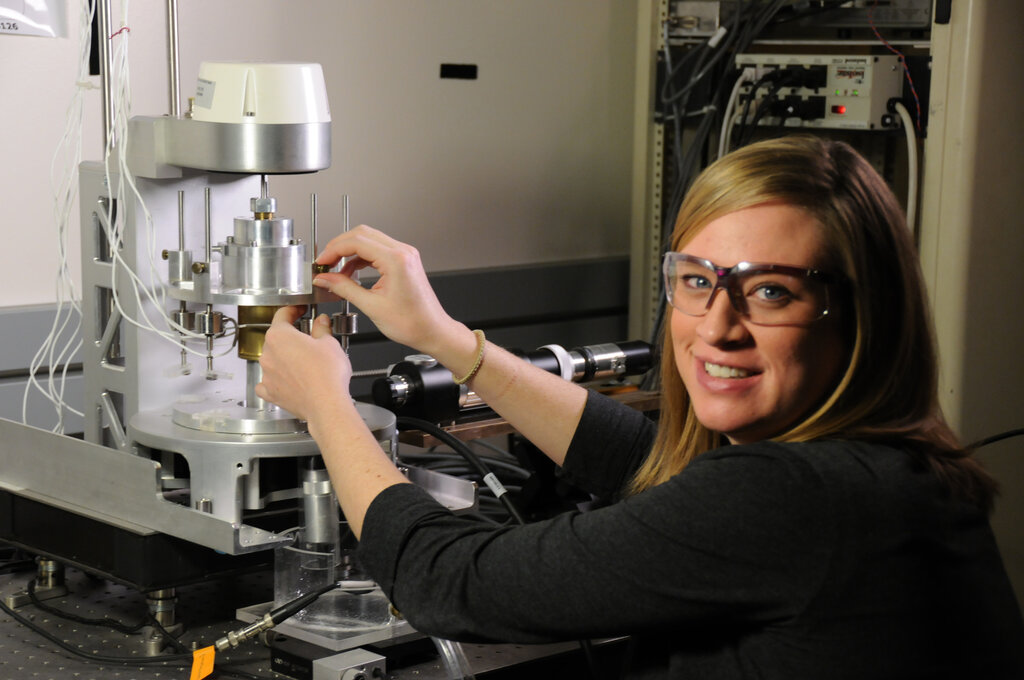
The impact of this work is profound. Every time a doctor uses an MRI to diagnose an illness, a surgeon uses a laser for a precise incision, or a patient receives a dose of medicine from an infusion pump, they are relying on the innovations of biomedical engineering. It has made healthcare safer, more effective, and more accessible.
From the artificial hip that helps a grandparent walk freely to the glucose meter that helps a friend manage diabetes, the fingerprints of biomedical engineering are all over modern medicine.
What is the primary goal of biomedical engineering?
The formal discipline of biomedical engineering experienced a major surge in development following which historical event, largely due to advancements in electronics and materials?
This field sits at the exciting intersection of human biology and human ingenuity, constantly pushing the boundaries of what's possible in medicine.