Biological Macromolecules
Introduction to Biological Macromolecules
The Building Blocks of Life
Living organisms, from the smallest bacterium to the largest whale, are made of large, complex molecules called macromolecules. These are the essential components that carry out all the functions of life. They provide structure, store energy, carry information, and run the chemical reactions that keep us alive. Think of them as the microscopic machinery and raw materials that construct and operate a living being.
To understand macromolecules, we first need to grasp the concept of monomers and polymers. It's a simple idea, much like building with toy blocks.
A monomer is a single, small molecule, like an individual building block. A polymer is a long chain made of many monomers linked together, like a structure built from those blocks.
Just as you can create countless different structures from a few types of blocks, living cells build an incredible variety of large polymers from a limited set of monomers. The process of linking monomers together to form polymers is called polymerization. This simple principle of joining smaller units into larger chains is fundamental to life.
The Four Major Classes
Biological macromolecules are organized into four main categories. Each class is built from a different type of monomer and performs a distinct set of jobs within the body's tissues and organs.
Carbohydrate
noun
A biological macromolecule composed of sugar monomers, serving as a primary source of energy and structural support.
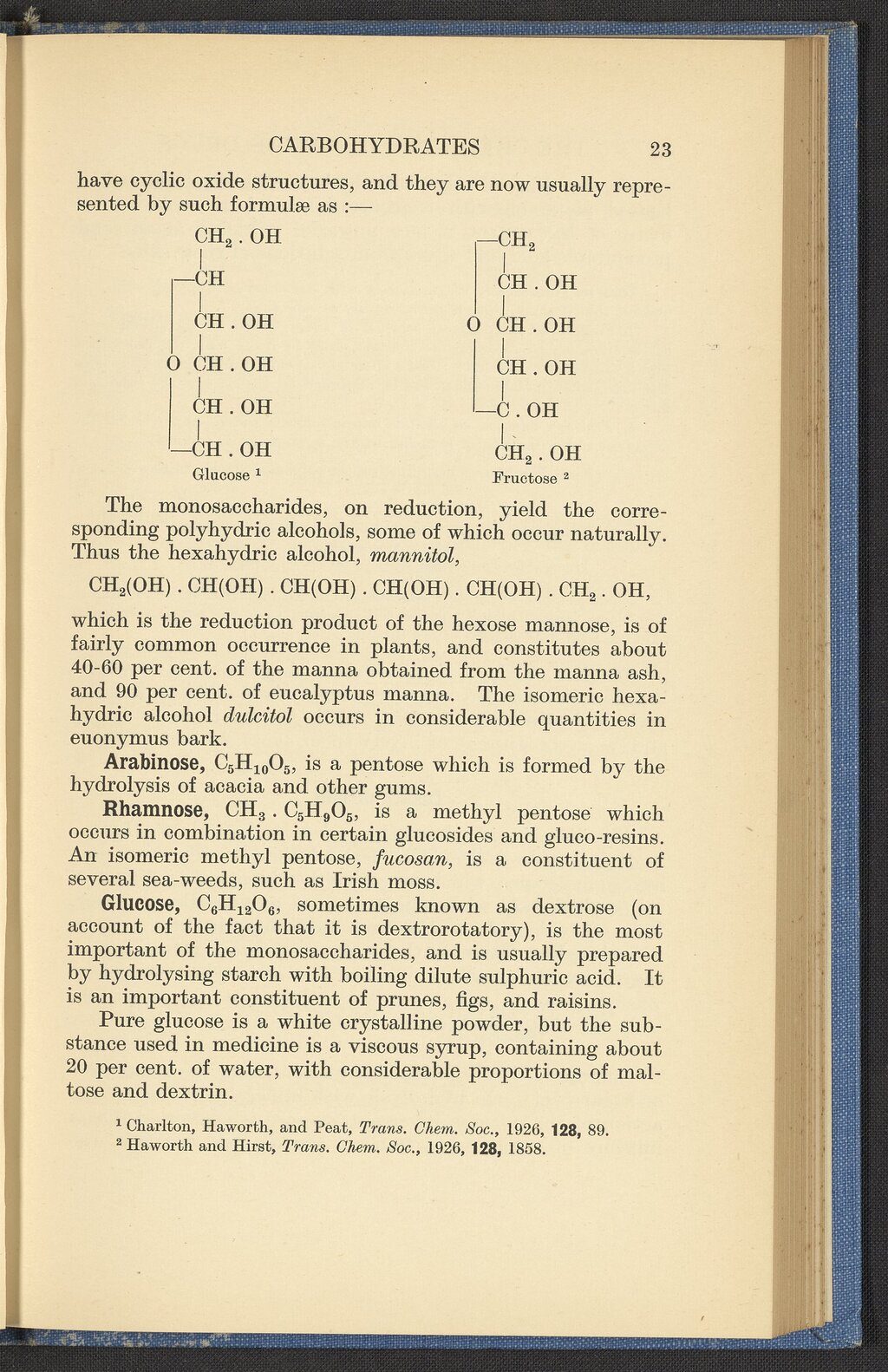
Often called "carbs," these molecules are the main fuel source for cells. Their monomers are simple sugars called monosaccharides. When these link up, they form large polymers known as polysaccharides. Glucose, a simple sugar, is a common monomer. Starch, which plants use to store energy, is a polymer made of many glucose units.
Lipid
noun
A diverse group of macromolecules that are insoluble in water, including fats, oils, and waxes. They are crucial for energy storage and cell membrane structure.
Lipids, which include fats, oils, and steroids, are grouped together because they don't mix with water. While not always true polymers in the strict sense of repeating identical monomers, they are built from smaller components like fatty acids and glycerol. Lipids are vital for long-term energy storage, insulation, and forming the protective outer membrane of every cell.
Protein
noun
A complex macromolecule made of amino acid monomers, responsible for a vast range of cellular functions.
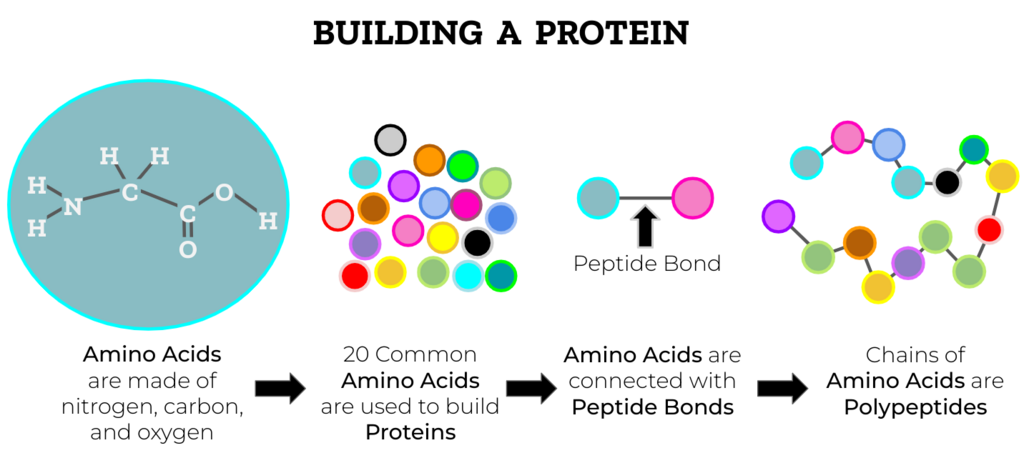
Proteins are the workhorses of the cell. They do almost everything, from building tissues and muscles to acting as enzymes that speed up chemical reactions. The monomers of proteins are amino acids. There are 20 different types of amino acids, and by linking them in different sequences, organisms can create a staggering variety of proteins, each with a specific shape and job.
Nucleic Acid
noun
A macromolecule composed of nucleotide monomers that stores and transmits genetic information.
Nucleic acids hold the blueprint of life. They carry the instructions for building every protein in an organism. Their monomers are called nucleotides. The two main types of nucleic acids are DNA (deoxyribonucleic acid) and RNA (ribonucleic acid). DNA stores the genetic information for the long term, while RNA helps transfer that information to the cell's protein-making machinery.
Summary of Macromolecules
| Macromolecule | Monomer (Building Block) | Primary Function(s) |
|---|---|---|
| Carbohydrates | Monosaccharides | Quick energy, structural support |
| Lipids | Fatty acids & glycerol | Long-term energy storage, cell membranes |
| Proteins | Amino acids | Enzymes, structure, transport, countless others |
| Nucleic Acids | Nucleotides | Store and transmit genetic information |
These four classes of molecules work together in a beautifully complex system to create and sustain life. Now, let's test your understanding of these fundamental concepts.
The process of linking small molecular units called monomers into long chains to form polymers is known as:
Which class of macromolecule is primarily responsible for storing and transmitting the genetic blueprint for life?
Understanding these four groups is the first step in exploring the amazing world of biochemistry. Each one plays an indispensable role in the structure and function of all living things.