Bioinformatics for Leukemia Research
Introduction to Bioinformatics
What is Bioinformatics?
Imagine trying to read an enormous library containing thousands of books written in a four-letter alphabet. The books describe how to build and operate every living thing, but the sheer volume of information is overwhelming. This is the challenge modern biology faces. Bioinformatics is the field that builds the tools and methods to read, understand, and interpret this biological library.
Bioinformatics combines biology, computer science, and statistics to analyze and interpret biological data.
Thanks to technologies like DNA sequencing, scientists can generate staggering amounts of data. A single human genome, the complete set of DNA instructions, contains about 3 billion letters. Without computational power, this data would be just noise. Bioinformatics provides the search engines, translation tools, and analytical software needed to turn that raw data into meaningful discoveries about health, disease, and evolution.
The Data of Life
Most biological data revolves around the 'central dogma' of molecular biology. This is the fundamental process of how genetic information flows within a biological system. It's like a chain of command in a factory.
This flow gives us three main types of data:
-
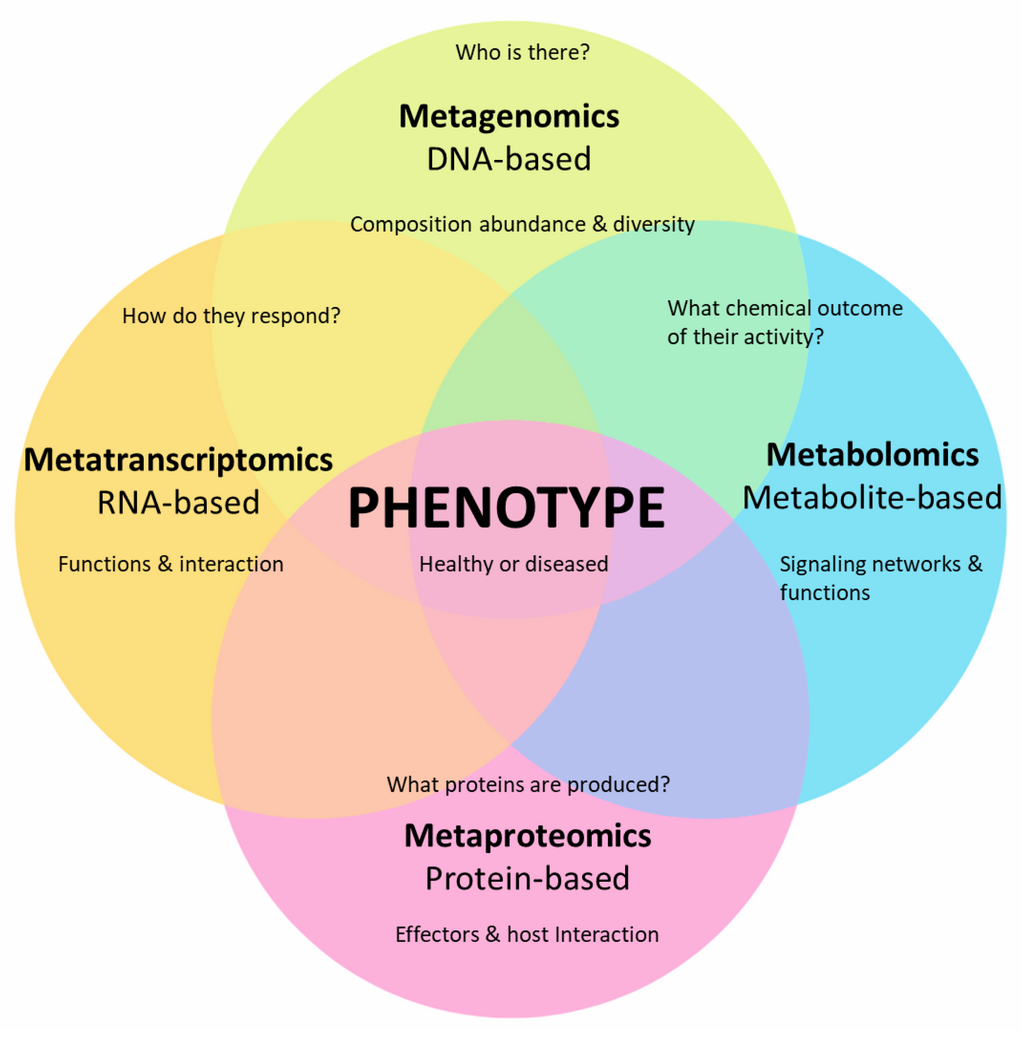
Genomic Data (DNA): This is the master blueprint. It’s the complete set of instructions, written in the four-letter alphabet of A, T, C, and G. Genomics is the study of this blueprint in its entirety.
-
Transcriptomic Data (RNA): If DNA is the whole cookbook, RNA transcripts are like recipe cards copied from it for immediate use. This data tells us which genes are currently active, or 'switched on', in a cell and how active they are. It provides a dynamic snapshot of cellular activity.
-
Proteomic Data (Proteins): Proteins are the machines, structures, and workers built from the RNA recipes. They carry out nearly all the functions of a cell. Proteomics studies the structure, function, and interactions of all the proteins in an organism.
A Library of Biological Information
To make discoveries, scientists need to access and compare data from studies all over the world. Bioinformatics databases act as massive, public digital libraries for this information. They store sequences, structures, and experimental results in a standardized format that anyone can use.
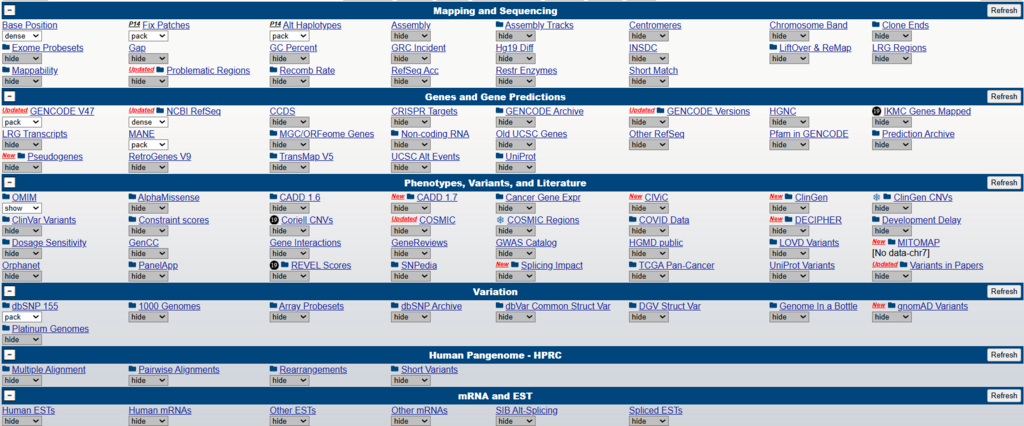
Major databases like the National Center for Biotechnology Information (NCBI) in the U.S. and the European Bioinformatics Institute (EBI) host petabytes of data. Within them are specialized collections:
- GenBank: A comprehensive database of all publicly available DNA sequences.
- Protein Data Bank (PDB): A repository for the 3D structures of proteins and nucleic acids.
- Gene Expression Omnibus (GEO): A database that archives and freely distributes high-throughput gene expression data.
These resources are essential. A researcher studying a particular gene can instantly pull up its sequence, see how it compares across different species, and view data from experiments that measured its activity under various conditions.
Core Computational Techniques
With all this data, how do we find what we’re looking for? Bioinformatics provides the computational techniques to navigate and analyze it. One of the most fundamental tasks is sequence alignment.
Alignment
noun
The process of arranging sequences of DNA, RNA, or protein to identify regions of similarity that may be a consequence of functional, structural, or evolutionary relationships between the sequences.
Imagine you have a newly sequenced gene and want to know its function. A powerful first step is to see if it looks like any known gene. You can use a tool like BLAST (Basic Local Alignment Search Tool) to compare your sequence against the entire GenBank database. BLAST is like a specialized search engine for biology.
Query:    AGTCGATTAC
Match:    ||| || ||
Subject:  AGTC-ATTGC
If BLAST finds a close match to a gene in a mouse whose function is already known, say, regulating cell growth, you have a strong clue about your new gene's role. This principle of inferring function from similarity is a cornerstone of bioinformatics and drives countless discoveries.
What is the primary role of bioinformatics in modern biology?
A scientist wants to study which genes are actively being used by a cell at a specific moment. Which type of data would provide the most direct measurement of this activity?
These foundational concepts—the types of biological data, the databases that store them, and the basic tools for analysis—are the building blocks of bioinformatics. They transform raw biological information into knowledge that can advance medicine and our understanding of the living world.