Bioinformatics for a Sustainable Future
Introduction to Bioinformatics
What is Bioinformatics?
Modern biology generates an incredible amount of data. Think of the complete DNA sequence of a single organism. If you were to print it out, it would fill thousands of books. Now imagine you have the sequences for thousands of different organisms. How do you even begin to compare them or find a specific gene?
You can't do it by hand. This is where bioinformatics comes in. It's the field that develops methods and software tools for understanding biological data. It’s a hybrid science, blending biology, computer science, and statistics to answer biological questions.
Bioinformatics
noun
The science of collecting and analyzing complex biological data such as genetic codes.
At its core, bioinformatics is about managing, analyzing, and interpreting the massive datasets produced in biological research. It helps scientists find patterns, make predictions, and create models of how living systems work.
The 'Omes' of Biology
Bioinformatics plays a huge role in several key areas of study, often referred to with the suffix "-omics." These fields look at the complete set of a certain type of biological molecule.
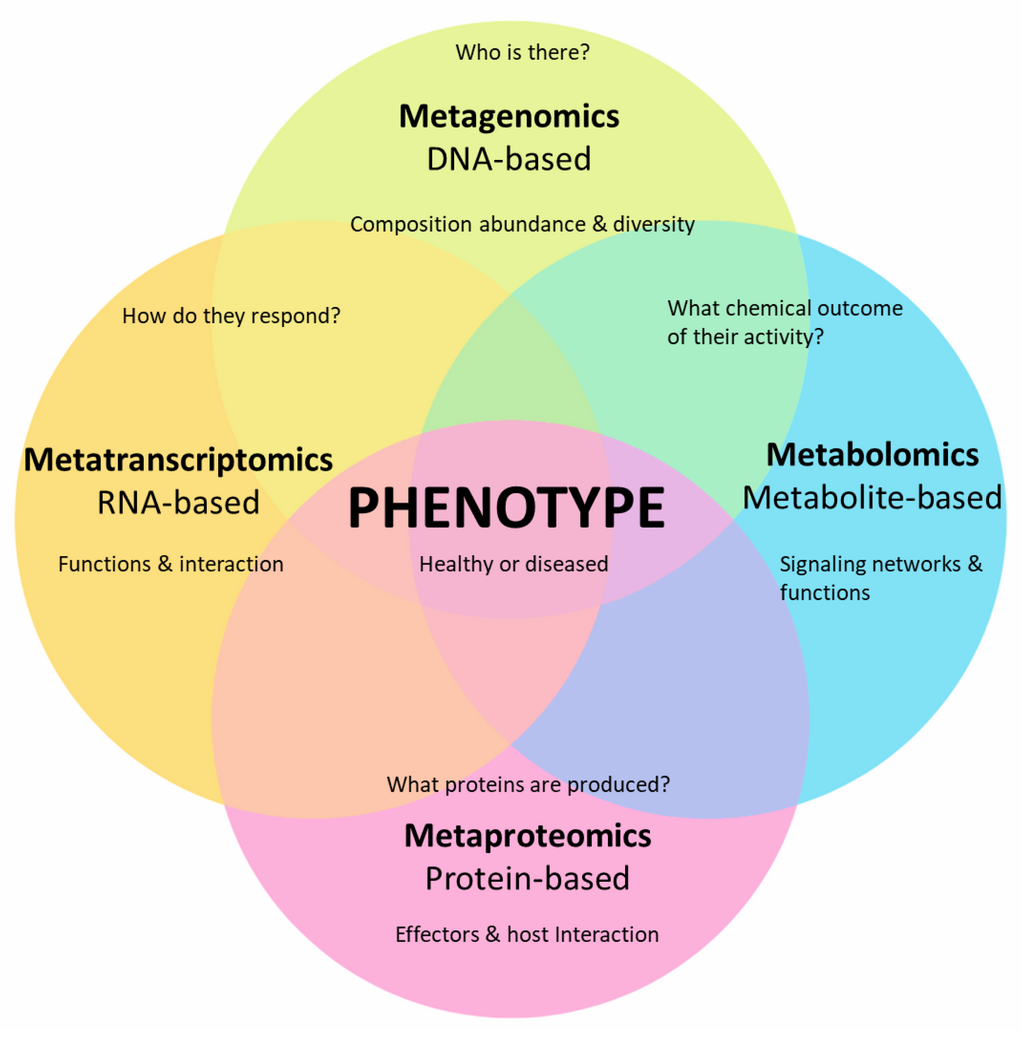
The three major areas are:
-
Genomics: This is the study of an organism's entire set of DNA, or its genome. The genome is the complete instruction book for building and running an organism. Genomics focuses on sequencing this DNA, identifying genes, and understanding how they function and evolve.
-
Proteomics: If genes are the instructions, proteins are the workers that carry out those instructions. Proteomics is the large-scale study of proteins, particularly their structures and functions. Since proteins do most of the work in cells, understanding them is crucial for understanding life.
-
Systems Biology: This field takes a step back to look at the big picture. Instead of focusing on a single gene or protein, systems biology studies how all these components interact with each other in complex networks to produce the characteristics of a living organism. It aims to understand the system as a whole.
Tools and Applications
To analyze all this data, scientists rely on specialized computational tools and massive public databases. These tools can perform tasks that would be impossible for humans.
One of the most common tasks is sequence alignment. A tool like BLAST (Basic Local Alignment Search Tool) can take a DNA or protein sequence and search an entire database of known sequences to find similar ones. This can help determine the function of a newly discovered gene or trace evolutionary relationships between species.
Other tools are designed for finding genes within a long stretch of DNA, predicting the 3D structure of a protein from its amino acid sequence, or analyzing which genes are turned on or off in different conditions.
These analyses rely on vast, publicly accessible databases. For example, GenBank is a comprehensive database containing publicly available DNA sequences for more than 400,000 organisms. By sharing data in this way, researchers around the world can build upon each other's work.
Bioinformatics tools are used to make sense of the series of As, Ts, Gs and Cs, or reads, that leave an Illumina sequencer.
The applications of this work are far-reaching. In medicine, bioinformatics is essential for understanding the genetic basis of diseases like cancer, developing new drugs, and creating personalized treatments based on a patient's unique genetic makeup. In agriculture, it helps in developing crops with improved yields or resistance to disease. It's a foundational tool for nearly every area of modern biological research.
Which of the following best describes the primary goal of bioinformatics?
A scientist studying the entire set of proteins expressed by a cell under specific conditions is working in which field?