Bioinformatics and Heat Shock Proteins
Introduction to Bioinformatics
Biology Meets Computation
At its heart, bioinformatics is the science of using computers to understand biology. Think of it as a bridge between the world of living things and the world of data. Biologists can now generate enormous amounts of information, from the complete genetic sequence of an organism to the intricate structures of proteins. This data is far too vast to analyze by hand.
Imagine trying to read a library containing millions of books, each written with just four letters: A, T, C, and G. That’s what analyzing a genome is like. Bioinformatics provides the search engines, translation tools, and analytical software needed to find meaningful patterns in this sea of biological code.
Bioinformatics
noun
A field of science that combines biology, computer science, and statistics to analyze and interpret biological data.
This field makes it possible to tackle some of the biggest questions in biology, from understanding the genetic basis of disease to discovering new medicines.
From Punch Cards to Petabytes
Bioinformatics didn't appear overnight. Its roots go back to the 1960s, when scientists first began sequencing proteins. A pioneer named Margaret Dayhoff and her team created one of the first biological sequence databases, meticulously compiled using punch cards. They developed programs to compare protein sequences, laying the groundwork for much of the field.

The real turning point was the Human Genome Project. This massive international effort, completed in 2003, mapped the entire sequence of human DNA. The project generated an unprecedented amount of data, creating an urgent need for new computational methods to store, organize, and analyze it all. It transformed biology into a data-rich science.
Since then, the cost of DNA sequencing has plummeted dramatically. What once took years and billions of dollars can now be done in hours for a fraction of the cost. This has led to an explosion of biological data, making bioinformatics an indispensable part of modern research.
What Can We Do With It?
So, what are the practical applications of bioinformatics? The list is long, but many fall into two major areas: genomics and proteomics.
Genomics is the study of an organism's complete set of DNA, while proteomics is the study of its complete set of proteins.
In genomics, bioinformatics tools help us read a genome and understand its contents. This involves identifying genes, figuring out their functions, and finding the regulatory switches that turn them on and off. We can also compare the genomes of different individuals to find genetic variations linked to diseases like cancer or diabetes. By comparing the genomes of different species, we can trace evolutionary history and understand how life has diversified.
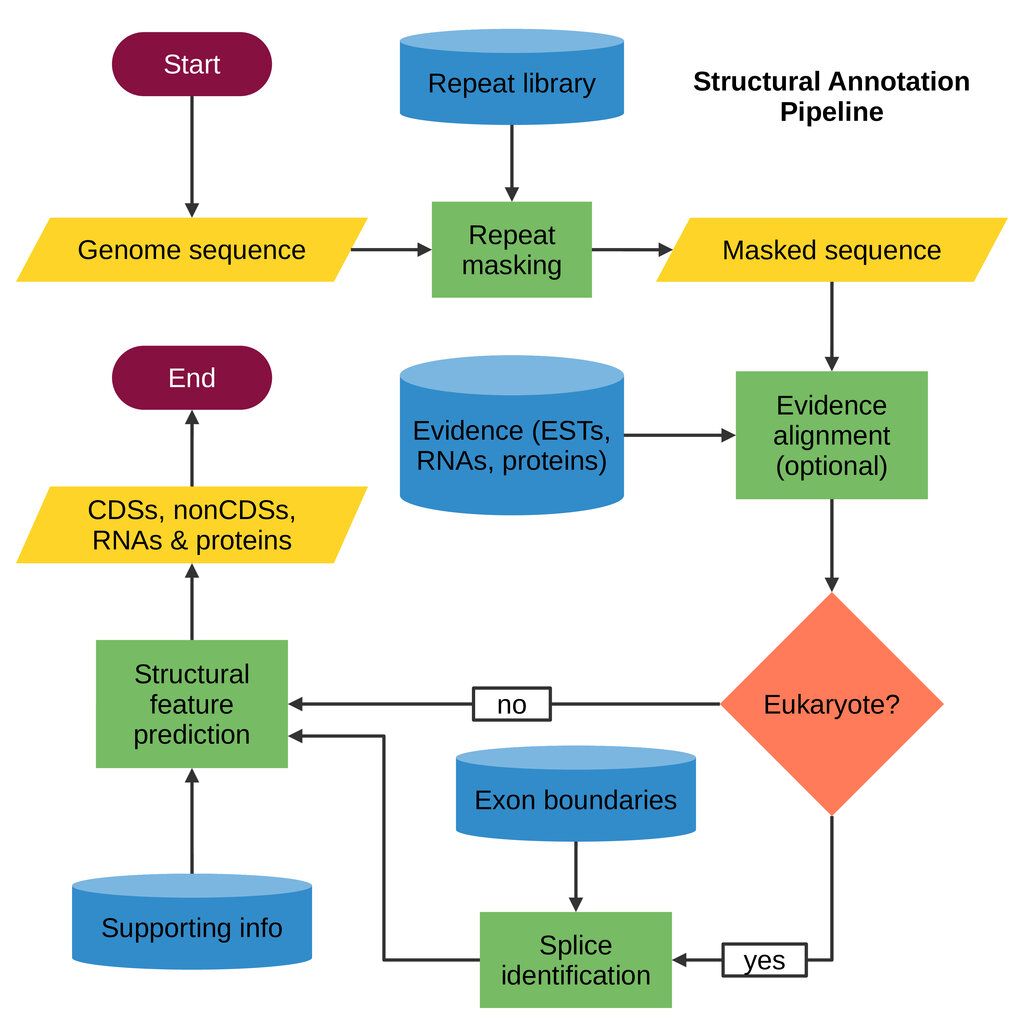
Proteomics takes the next step. Genes provide the instructions, but proteins do most of the work in a cell. Bioinformatics can predict the three-dimensional shape of a protein from its amino acid sequence. Since a protein's shape determines its function, this is incredibly important for designing new drugs that can target specific proteins involved in disease.
Other applications include developing personalized medicine, where treatments are tailored to an individual's genetic profile, and environmental science, where researchers analyze the DNA from soil or water to study microbial communities.
The Bioinformatician's Toolkit
To perform these analyses, scientists rely on a vast ecosystem of databases and software tools. Many of these are public resources, allowing researchers from around the world to share and build upon each other's work.
Databases are the digital libraries of bioinformatics. They are massive, curated collections of biological data. Some store raw DNA and RNA sequences, while others hold protein structures or information about gene function.
| Database | Type of Data Stored |
|---|---|
| GenBank / EMBL / DDBJ | DNA and RNA sequences |
| UniProt | Protein sequences and functional information |
| PDB (Protein Data Bank) | 3D structural data of proteins and nucleic acids |
| RefSeq | Curated, non-redundant genome and protein sequences |
Alongside these databases are powerful software tools. The most famous is probably BLAST (Basic Local Alignment Search Tool). BLAST is like a search engine for sequences. A scientist can input a DNA or protein sequence and BLAST will scan an entire database to find similar sequences, helping to identify a gene or determine its evolutionary relatives.
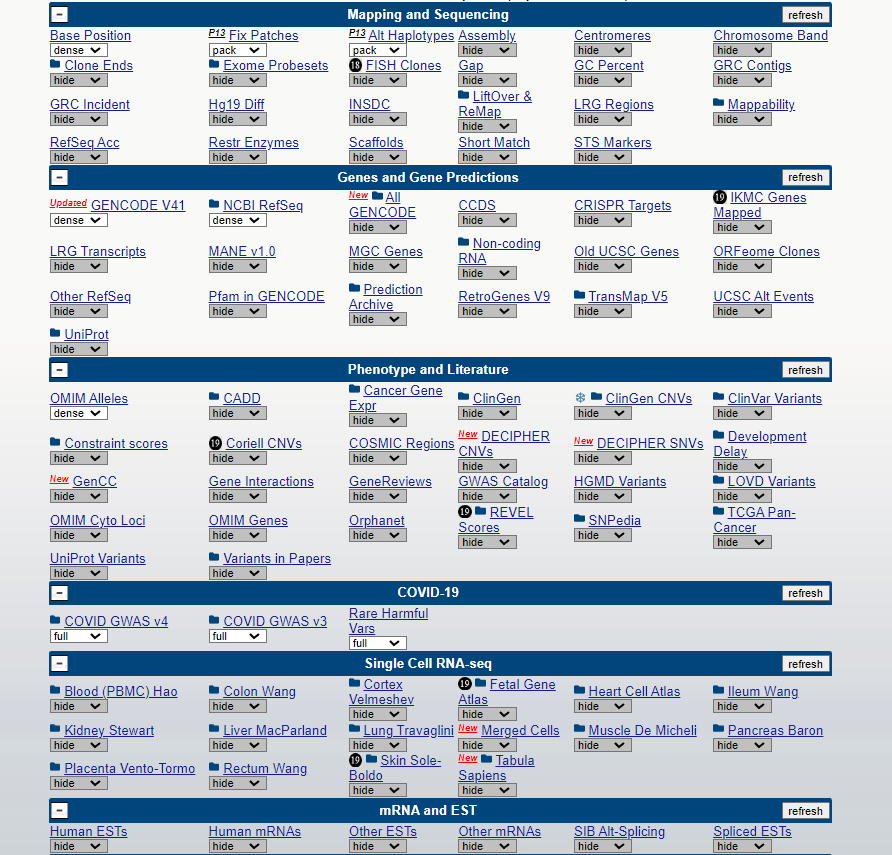
Many tools are also available through web-based platforms like Galaxy and DNA Subway, which provide user-friendly interfaces that allow biologists with little programming experience to build and run complex analysis pipelines.
What is the primary goal of bioinformatics?
Which major international project was a significant turning point for bioinformatics by generating an unprecedented amount of data?
As you can see, bioinformatics is a dynamic and essential field that drives much of modern biological discovery. It provides the methods to turn raw biological data into fundamental new insights.