Biofuel Pellet Business Launchpad
Introduction to Biofuel Pellets
What Are Biofuel Pellets?
Biofuel pellets are a type of solid fuel made from compressed organic matter, also known as biomass. Think of them as small, dense cylinders of stored energy, typically just a few centimeters long. They are created by taking raw biological materials, grinding them up, and squeezing them under intense pressure.
This process makes them incredibly dense and uniform, which is key to their efficiency as a fuel source. Unlike raw biomass like logs or wood chips, pellets have a consistent size, shape, and moisture content, allowing them to burn more cleanly and predictably.
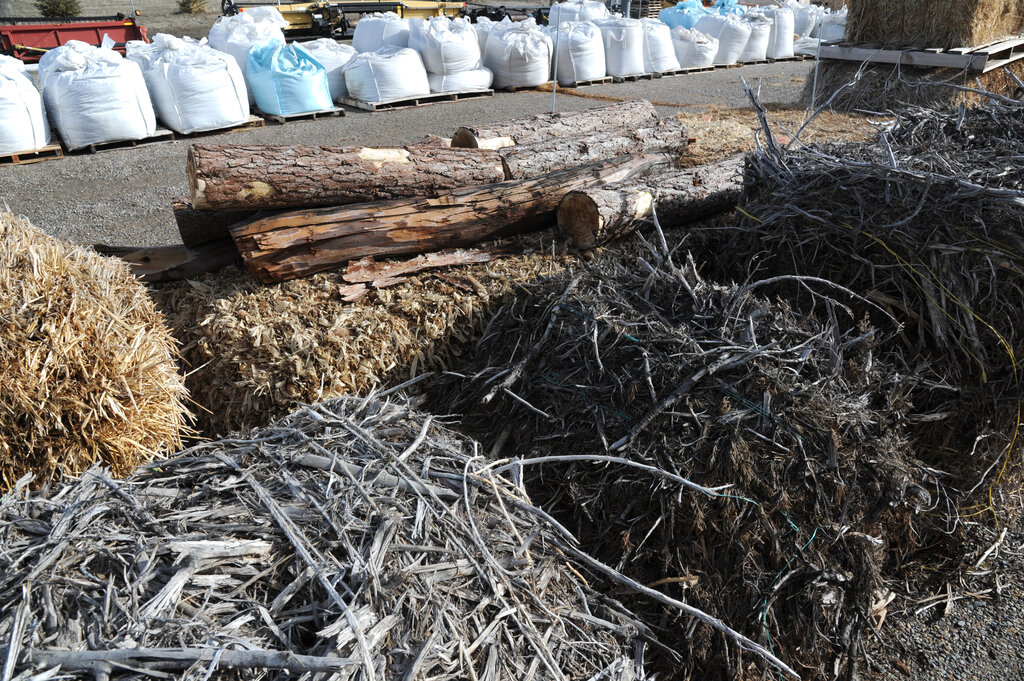
The secret ingredient that holds them together is lignin, a natural polymer found in the cell walls of plants. When the biomass is heated and compressed, the lignin softens and acts like a natural glue, binding the material into a solid pellet without the need for artificial additives.
From Waste to Energy
The beauty of biofuel pellets lies in their feedstock—the raw material used to create them. A wide variety of organic materials can be transformed into this versatile fuel.
Feedstock
noun
Raw material supplied to a machine or process.
Common types of feedstock include:
- Wood Residues: Sawdust, wood chips, and shavings from lumber mills and furniture manufacturing.
- Agricultural By-products: Leftover materials from farming like corn stalks, wheat straw, and rice husks.
- Energy Crops: Plants grown specifically for energy production, such as switchgrass or miscanthus.
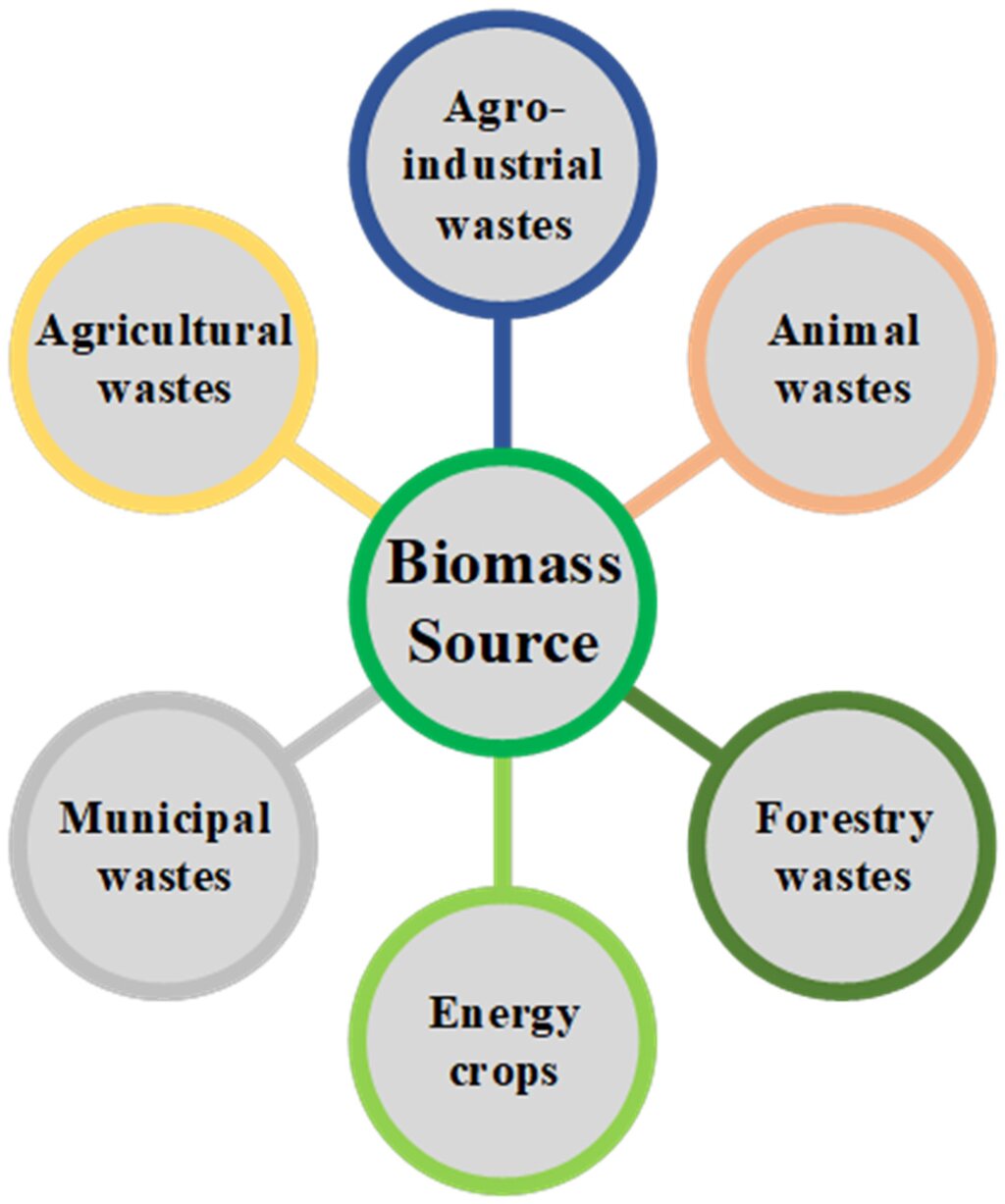
The production process is straightforward but requires precision. First, the feedstock is dried to a specific moisture level, usually around 10-15%. Then, it's ground into a consistent, fine powder. This powder is fed into a pellet mill, where rollers force it through a die under extreme pressure, heating it up and forming the dense pellets. Finally, the hot pellets are cooled and hardened before being stored or packaged.
Clean Energy in a Small Package
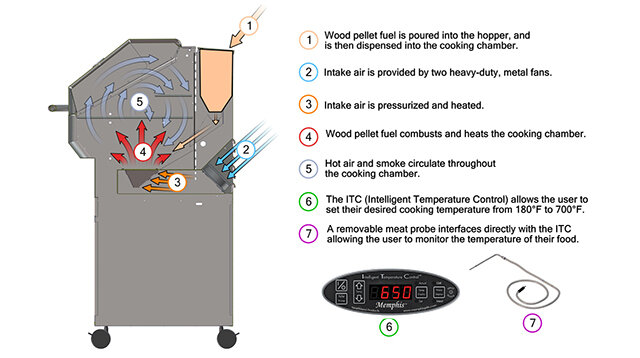
Biofuel pellets have a wide range of applications, from heating single-family homes to powering massive industrial facilities. In residential settings, they are most commonly used in specialized pellet stoves and furnaces, which automatically feed the pellets into a combustion chamber to provide consistent heat.
On a larger scale, electric power plants can co-fire pellets with coal, meaning they burn a mix of the two fuels. This allows them to reduce their reliance on fossil fuels and lower their overall emissions without a complete overhaul of their existing infrastructure. Some plants have even converted entirely to run on 100% biomass pellets.
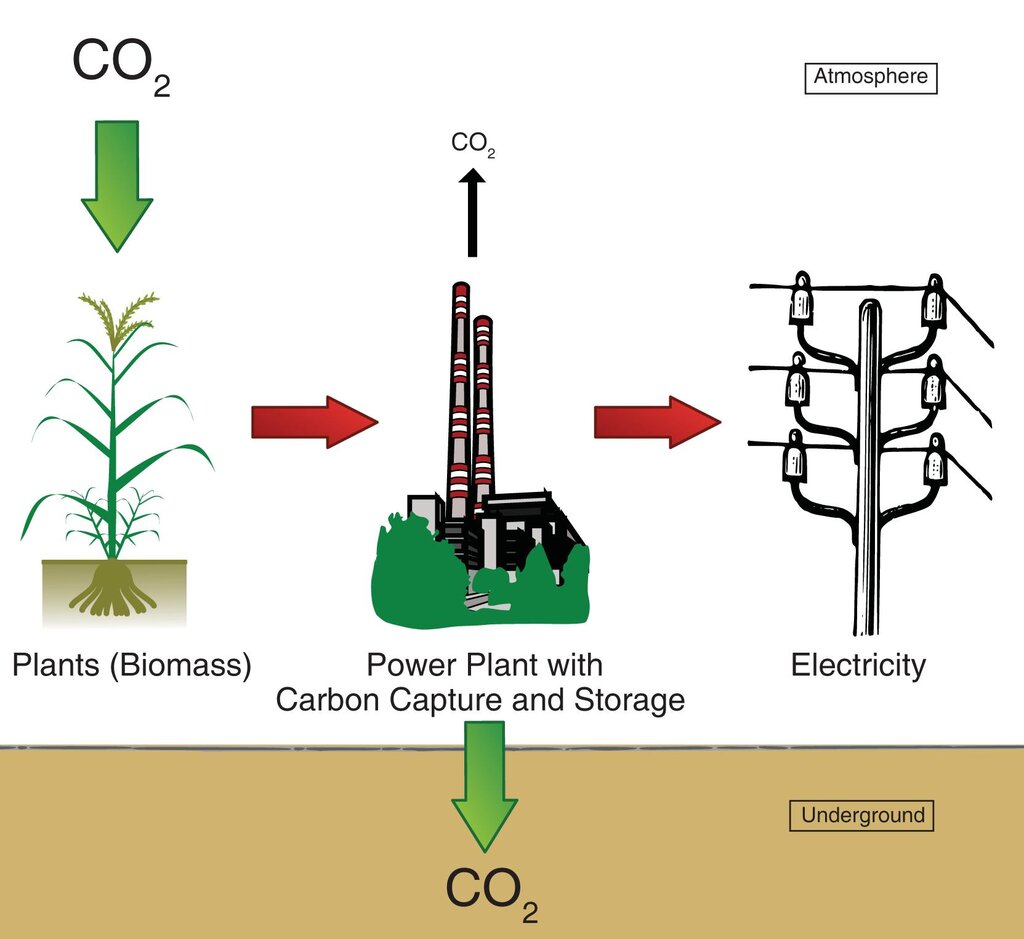
One of the primary drivers behind the adoption of biofuel pellets is their environmental benefit. Because they are made from plants, the carbon dioxide released when they are burned is part of the natural carbon cycle. The growing plants absorb CO₂ from the atmosphere, which is then released back when the pellets are used for energy. This makes them a carbon-neutral or low-carbon energy source, especially when compared to fossil fuels like coal, oil, and natural gas, which release carbon that had been locked away underground for millions of years.
Furthermore, using waste products from forestry and agriculture to create pellets prevents these materials from simply decomposing and releasing methane, a potent greenhouse gas. This turns a potential waste problem into a valuable energy solution.
What natural polymer, found in the cell walls of plants, acts as a binding agent when biomass is compressed into biofuel pellets?
Which of the following is NOT a common type of feedstock used for creating biofuel pellets?
This foundation provides a clear picture of what biofuel pellets are, how they are made, and why they represent a key component of the renewable energy landscape.