Bioengineering Needs and Applications Explored
Bioengineering in Healthcare
Medical Devices and Diagnostics
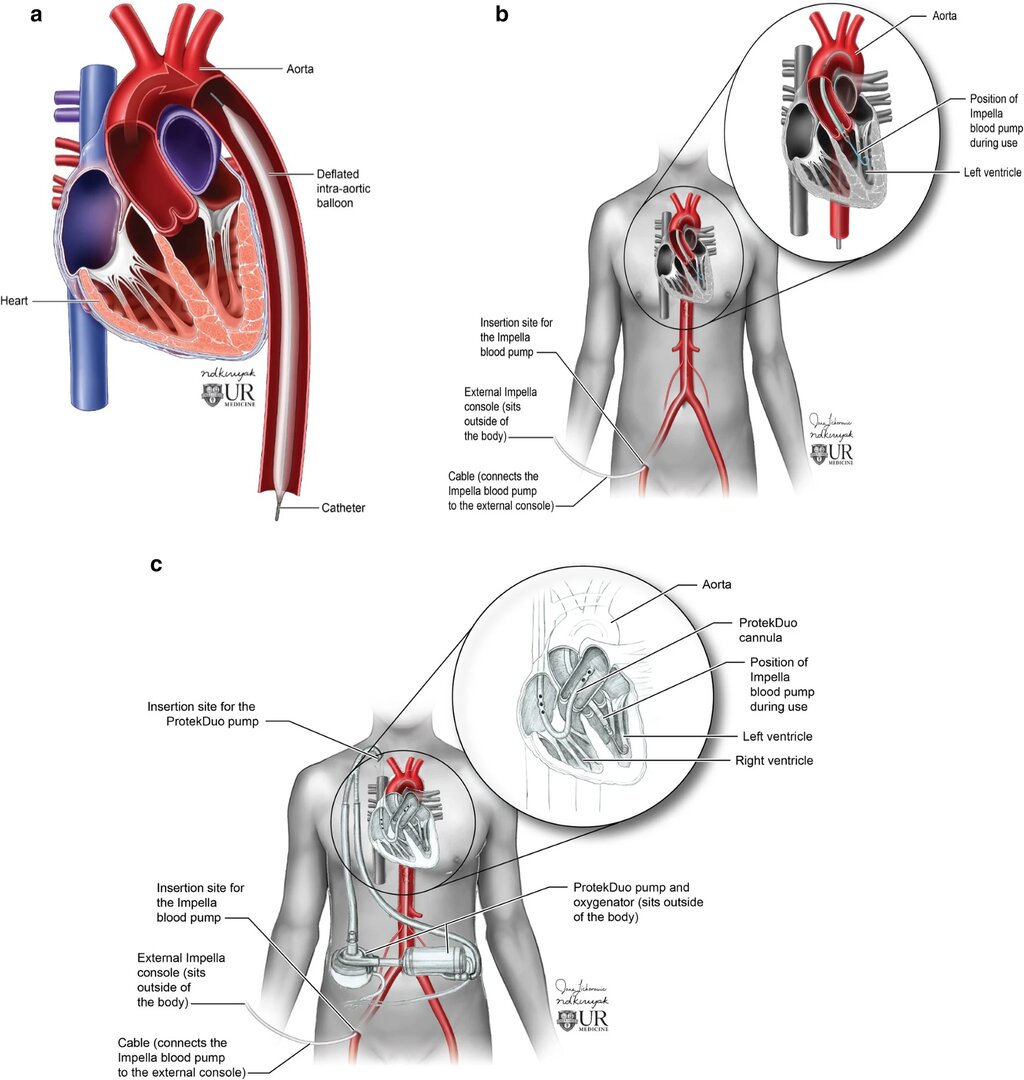
Bioengineering merges engineering principles with biology to solve medical problems. One of its most visible impacts is in the creation of advanced medical devices. These aren't just simple tools; they are sophisticated systems designed to interact with the human body to diagnose, monitor, and treat diseases.
Think of an MRI machine or a CT scanner. These devices rely on complex engineering to visualize the body's internal structures with incredible detail. Bioengineers work to improve these technologies, making them faster, more accurate, and safer for patients. They also design implantable devices that become a part of the body, like pacemakers that regulate heart rhythms, cochlear implants that restore hearing, and artificial joints that give people mobility again.
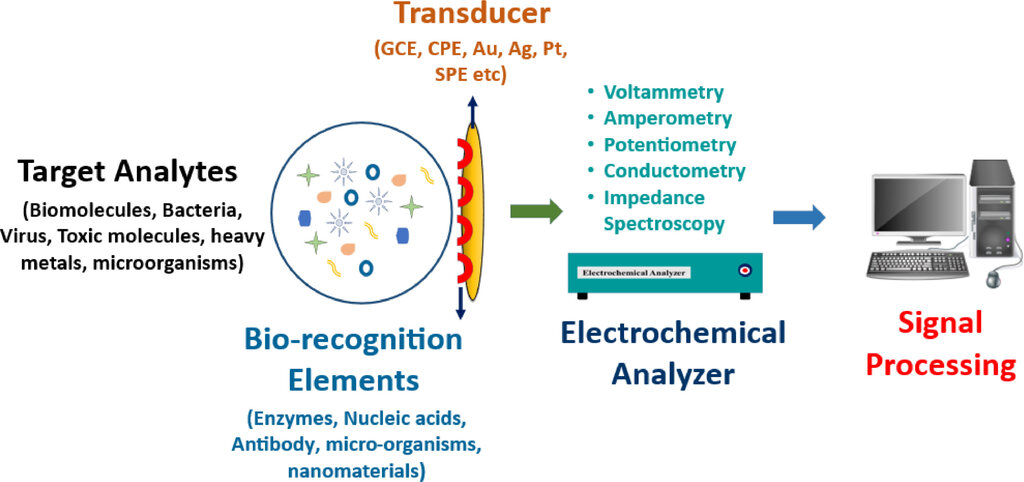
Beyond treatment, bioengineering has revolutionized diagnostics. Modern labs use biosensors to detect specific biological molecules with high sensitivity. These sensors are the basis for rapid pregnancy tests, glucose monitors for diabetics, and tests that can identify infectious diseases in minutes instead of days. By combining biological recognition elements (like antibodies or enzymes) with electronic transducers, bioengineers create tools that give doctors and patients critical health information quickly and accurately.
Tissue Engineering and Regenerative Medicine
When a part of the body is damaged beyond its natural ability to heal, regenerative medicine offers a solution. This field aims to repair, replace, or regenerate human cells, tissues, or organs. Tissue engineering, a key part of this discipline, uses a combination of cells, engineering materials, and biochemical factors to restore function.
The process often starts with a scaffold. This is a temporary, 3D structure that supports cell growth and guides them into forming functional tissue. The scaffold is typically made from biocompatible materials that the body can safely absorb over time. Cells, often from the patient, are seeded onto this scaffold. Then, growth factors—special proteins that act as signals—are added to encourage the cells to multiply and mature into the desired tissue type. This approach has been used to create skin for burn victims, cartilage for joint repair, and even to build sections of blood vessels.
Bioengineered Pharmaceuticals
Bioengineering has also transformed how we make medicines. Instead of relying solely on synthetic chemistry, scientists can now engineer living cells to produce therapeutic proteins. This is the foundation of the biopharmaceutical industry.
A key technique is recombinant DNA technology. Scientists insert a gene for a specific human protein, like insulin or human growth hormone, into bacteria or yeast cells. These microorganisms then act as tiny factories, producing large quantities of the protein. The final product, called a biologic, can be purified and used as a drug. Monoclonal antibodies, which can target cancer cells or calm an overactive immune system, are another major class of bioengineered drugs.
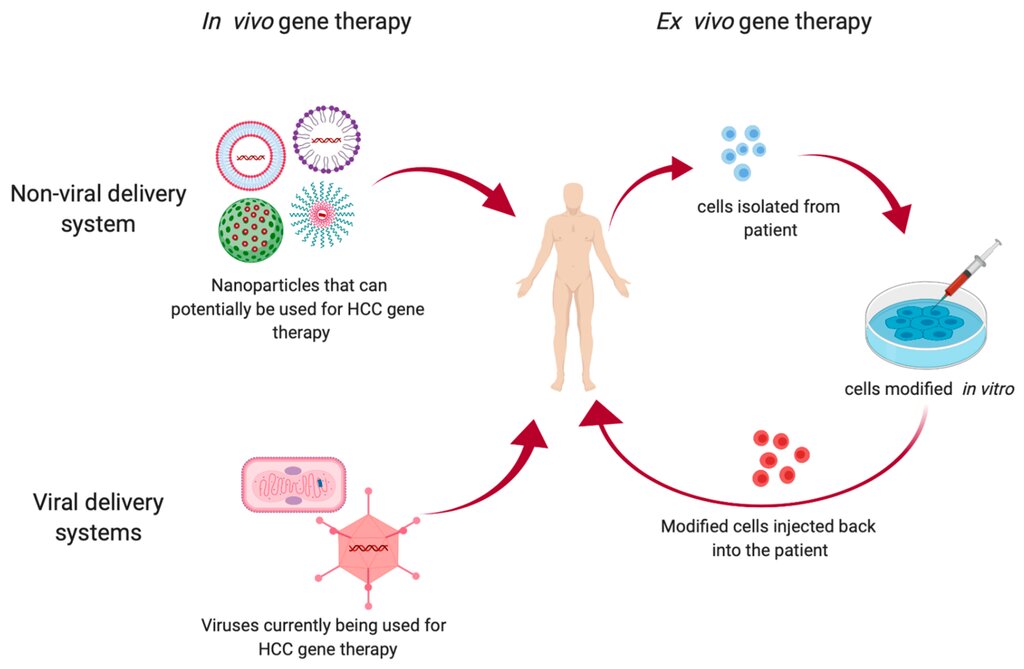
More advanced therapies are also emerging. Gene therapy aims to correct genetic disorders by delivering a healthy copy of a faulty gene directly into a patient's cells. These cutting-edge treatments represent a shift toward highly personalized and targeted medicine.
Bioengineering in the Clinic
The true measure of bioengineering's success is its impact on patients. Today, bioengineered solutions are standard practice in hospitals and clinics worldwide.
Consider CAR T-cell therapy, a revolutionary cancer treatment. A patient's own immune cells (T-cells) are collected, genetically engineered in a lab to recognize and attack cancer cells, and then infused back into the patient. This living drug has shown remarkable success in treating certain types of leukemia and lymphoma.
In surgery, 3D-printed implants, custom-made from a patient's CT scans, are used to reconstruct bones in complex facial or orthopedic surgeries. These patient-specific devices lead to better fits, faster recovery times, and improved functional outcomes. From developing new vaccines to designing advanced drug delivery systems, bioengineering is at the forefront of medical innovation.
In the field of medicine, it is expected to make a significant contribution to the future medical revolution by researching personalized drugs, tissue engineering, and internal body control systems (Jain, 2013; Mortimer, 2019; Ruder et al., Collins, 2011).
Let's review what you've learned about bioengineering's role in healthcare.
What is a primary goal of bioengineers when working to improve medical imaging technologies like MRI and CT scanners?
Modern biosensors, used in devices like glucose monitors, work by combining biological recognition elements (like antibodies) with _______ to provide rapid and accurate health information.
By applying engineering principles to biological systems, bioengineers continue to create powerful new tools for diagnosing and treating human disease.