Bioengineering Fundamentals
Introduction to Bioengineering
Engineering Meets Biology
At its heart, bioengineering is about using the principles of engineering to solve problems in biology and medicine. Think of it as a toolkit. Engineers have tools for designing, building, and analyzing complex systems. Bioengineers apply that same toolkit to the most complex system of all: life.
Bioengineering bridges the gap between the living world and the designed world. It's where biology, medicine, and engineering come together to improve human health and the planet.
This field isn't just one thing. It includes designing artificial organs, genetically engineering bacteria to produce medicine, creating new medical imaging techniques, and developing sustainable biofuels. The common thread is the application of a rigorous, problem-solving engineering mindset to the challenges of living systems.
From Ancient Ideas to Modern Labs
While the term "bioengineering" is relatively new, the core idea is ancient. Early humans engineered solutions for biological needs, from creating the first prosthetic limbs thousands of years ago to using fermentation to make bread and alcohol. These were early forms of manipulating biological processes for human benefit.
The field truly began to take shape in the 20th century. Doctors and engineers started collaborating more formally. Early innovations included the first electrocardiograph (ECG) to measure heart activity and the development of the heart-lung machine, which made open-heart surgery possible. These devices required a deep understanding of both human physiology and electrical or mechanical engineering.
The discovery of the DNA double helix in 1953 was a massive turning point. It opened the door to genetic engineering, giving scientists the ability to modify life at its most fundamental level. This shifted bioengineering from focusing only on large-scale systems to manipulating the very code of life.
Why It Matters
Bioengineering has a massive impact on our daily lives, often in ways we don't see. Its significance can be broken down into three major areas.
Healthcare: This is the most well-known application. Bioengineers design everything from advanced prosthetics and life-saving medical devices like pacemakers and insulin pumps to the complex machines that perform MRI scans. They also work at the cellular level, developing techniques for tissue engineering—growing skin, cartilage, or even organs in a lab—and creating novel ways to deliver drugs directly to cancer cells.
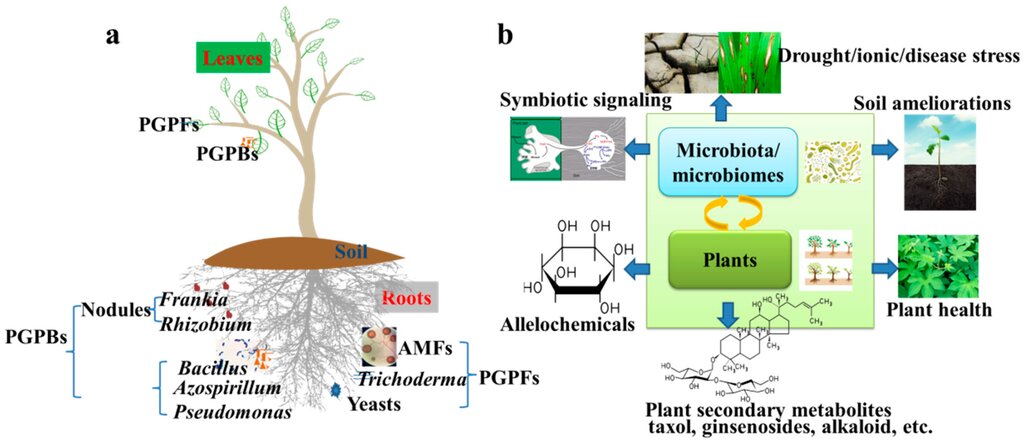
Agriculture: To feed a growing global population, we need more efficient and sustainable agriculture. Bioengineers contribute by genetically modifying crops to resist pests, tolerate drought, or contain more nutrients. This can increase crop yields and reduce the need for harmful pesticides.
Environmental Sustainability: Engineering biology offers powerful tools for a healthier planet. Bioengineers develop biofuels from algae and other organic matter as a renewable alternative to fossil fuels. They also harness the power of microorganisms to clean up pollution in a process called bioremediation, where bacteria are used to break down toxic waste in soil and water.
A Team Sport
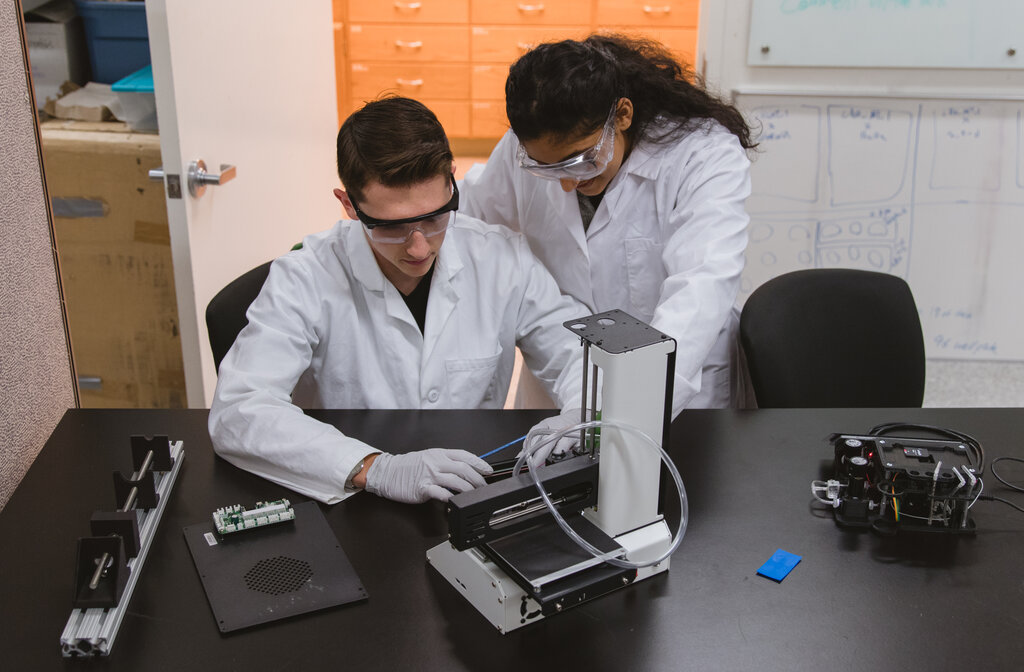
No single person can be an expert in everything. Bioengineering is fundamentally interdisciplinary, meaning it requires collaboration between people from many different fields.
A typical bioengineering project might involve a team with:
- Biologists who understand how cells and living systems work.
- Chemists who can create new molecules or materials.
- Physicists who understand the forces and energy at play.
- Computer Scientists who can model complex biological systems or analyze massive datasets.
- Mechanical Engineers who can design the physical structure of a device.
- Electrical Engineers who can build the sensors and electronics.
This fusion of expertise is what makes the field so innovative. A biologist might identify a problem, but it takes engineers and other scientists to design and build a practical, effective solution. This collaborative nature is a core part of what defines bioengineering.
Let's take a look at some key terms before we test your knowledge.
Ready to check your understanding?
What is the central principle of bioengineering?
Which 20th-century discovery was a major turning point that enabled bioengineers to modify life at its most fundamental level?
From creating better medicines to cleaning up the environment, bioengineering combines the logic of engineering with the complexity of life to tackle some of the world's biggest challenges.