Biodiesel Production Engineering
Introduction to Biodiesel
Fuel from Nature
Imagine running a car on fuel made from soybeans, algae, or even used cooking oil from a restaurant. That's the basic idea behind biodiesel. It's a renewable, biodegradable fuel manufactured from vegetable oils, animal fats, or recycled grease. Unlike standard diesel, which is pumped from the ground and is a finite fossil fuel, biodiesel comes from organic sources.
Essentially, biodiesel is a domestically produced, clean-burning, renewable substitute for petroleum diesel.
It can be used in its pure form (called B100) or blended with petroleum diesel in various concentrations. You might see labels like B5 (5% biodiesel, 95% petroleum diesel) or B20 (20% biodiesel) at the pump. These blends can be used in most diesel engines with little to no modification, making it a practical alternative.
A Cleaner Burn
The main driver for adopting biodiesel is its environmental benefits. While both traditional diesel and biodiesel release carbon dioxide () when burned, the source of that carbon makes a huge difference.
Fossil fuels release carbon that has been locked away underground for millions of years, adding new to the atmosphere and contributing to the greenhouse effect. Biodiesel, on the other hand, is part of the existing carbon cycle. The plants used to create biodiesel absorb from the atmosphere as they grow. When the fuel is burned, that same is released back, creating a closed loop. This significantly reduces the net amount of new greenhouse gases added to the atmosphere.
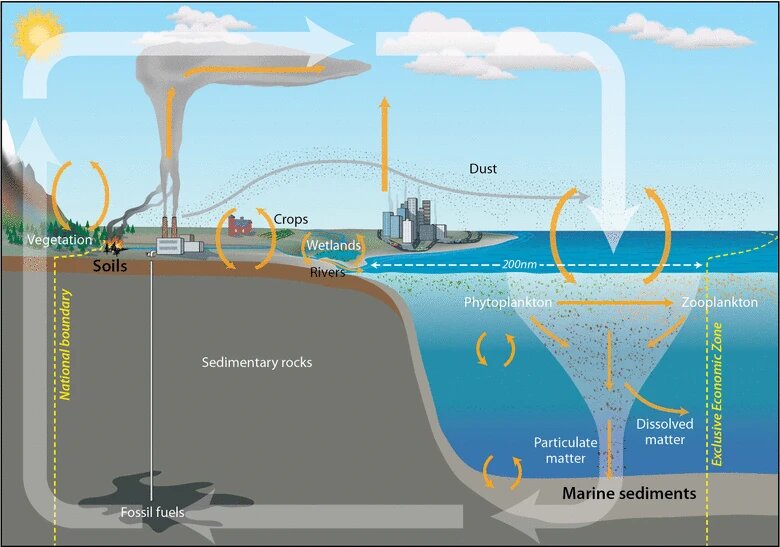
Beyond emissions, biodiesel has other advantages. It's less toxic than petroleum diesel and biodegrades much more quickly if spilled. This means an accidental spill is far less damaging to the environment and easier to clean up.
From Oil to Fuel
Making biodiesel is like a chemistry recipe. You don't need a massive oil refinery, but you do need to transform the raw fats and oils into a fuel that a diesel engine can use. The most common method is a process called transesterification.
Here’s a simple breakdown of the steps:
The main product is biodiesel, which is then purified to meet quality standards. The other product is glycerin, a sweet, viscous liquid that has its own uses in soaps, cosmetics, and food production. This ability to use the byproduct adds to the economic and environmental efficiency of making biodiesel.
By providing a renewable and cleaner-burning alternative to petroleum diesel, biodiesel plays a small but growing role in creating a more sustainable energy future.