Biochemistry's Role in Animal Sciences
Introduction to Biochemistry
The Chemistry of Life
At its heart, biochemistry is the study of the chemical processes within and relating to living organisms. It's the meeting point of biology and chemistry, exploring the molecular nuts and bolts that make life possible. Think of it as the instruction manual for how living things work on the smallest scale.
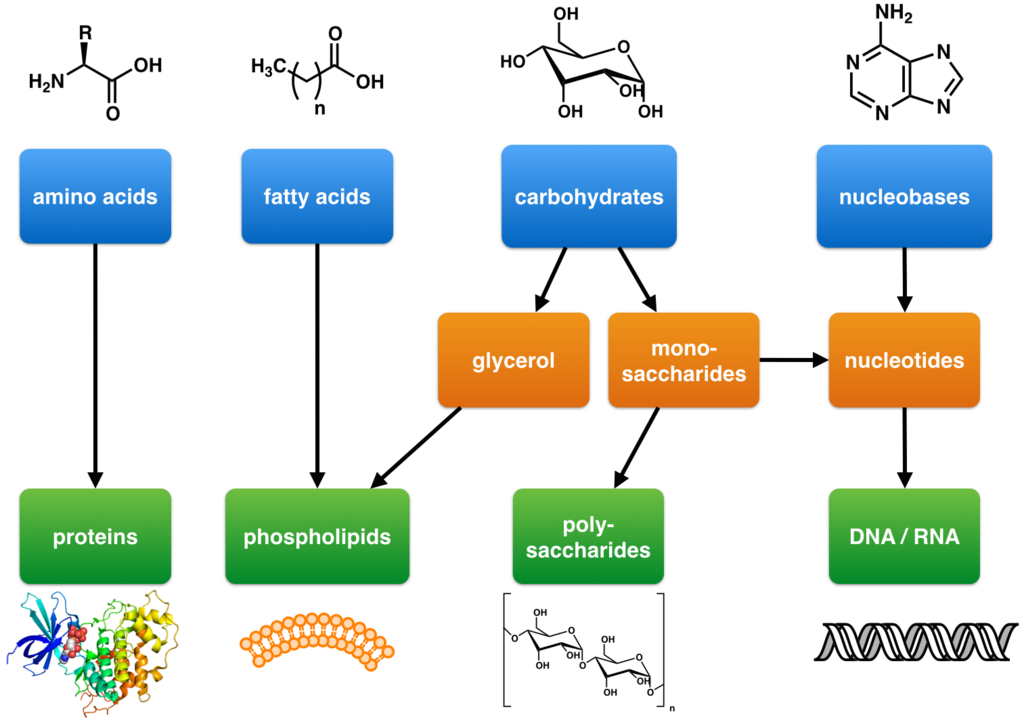
In animal sciences, biochemistry is fundamental. It helps us understand everything from how a cow digests grass to why a dog gets sick. By examining the molecules that build animal bodies—like proteins, fats, and carbohydrates—we can figure out how to keep animals healthy, well-fed, and productive.
From Fermentation to DNA
Biochemistry didn't just appear overnight. Its roots go back centuries, starting with early observations of processes like fermentation. In the 19th century, scientists began to realize that the chemical reactions happening inside living cells weren't magical—they followed the same rules as chemistry in a test tube. A major breakthrough was the discovery of enzymes, the protein catalysts that drive countless reactions in the body.
This laid the groundwork for the 20th century, when biochemistry truly blossomed. Researchers unraveled metabolic pathways, figured out the structure of DNA, and started to understand the chemical basis of heredity. These discoveries transformed our understanding of life itself.
Applications in Animal Science
The principles of biochemistry have practical applications that impact animals every day. In veterinary medicine, biochemistry is a powerful diagnostic tool. When a veterinarian draws blood from a sick pet, they are looking for biochemical clues. Levels of specific enzymes, proteins, or waste products in the blood can pinpoint problems in organs like the liver or kidneys long before physical symptoms become severe.
A simple blood test can reveal a complex story about an animal's internal health, all thanks to our understanding of its unique biochemistry.
Nutrition is another area where biochemistry shines. What should you feed a high-performance racehorse versus a growing puppy? The answers lie in biochemistry. By understanding how different animals metabolize nutrients, we can formulate diets that provide the exact building blocks they need for energy, growth, and repair. This ensures they not only survive but thrive.
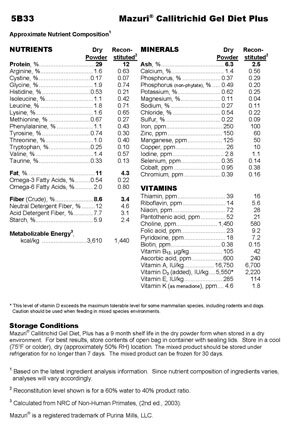
For livestock management, this knowledge translates directly to productivity. Farmers use biochemical principles to optimize feed for cattle to increase milk production or to ensure chickens grow efficiently. It also helps in managing reproductive cycles and developing strategies to keep entire herds healthy, which is crucial for a stable food supply.
Biochemists study complex biological systems in the areas of medicine, agriculture, veterinary science and environmental science.
Ultimately, biochemistry provides the essential framework for understanding animal life at its most fundamental level. It's a field that continuously improves our ability to care for the animals that are so important to our world.
Biochemistry is best described as the intersection of which two scientific fields?
True or False: The discovery of enzymes was a key historical step in understanding that the chemical reactions in living cells followed predictable, universal rules.