Bio-Metallic Materials in Organics
Introduction to Bio-Metallic Materials
When Metals Meet Biology
Look at your own hand. You're seeing skin, bone, and muscle, but you're also looking at a sophisticated collection of metals. Iron atoms in your blood carry oxygen, zinc helps your enzymes function, and calcium gives your bones their strength. Life, it turns out, is metallic.
Bio-metallic materials are substances that combine metals with biological systems. This isn't just about big, inert objects like titanium hip replacements. It's about materials designed to actively and purposefully interact with the body's cells and tissues. These materials can be natural, like the iron-containing hemoglobin protein, or engineered in a lab.
The core idea is to use the unique properties of metals—like conductivity, strength, and reactivity—within a biological setting.
Why is this field so important? By understanding how metals and living things interact, we can design better medical devices, create new diagnostic tools, and even build electronics that seamlessly integrate with the human body. The goal is to create materials that the body doesn't just tolerate, but actively works with. This requires a delicate balance of properties, chief among them being biocompatibility.
biocompatibility
noun
The ability of a material to perform with an appropriate host response in a specific application.
The Metal-Organic Handshake
When a metal is introduced to a biological environment, a complex series of events unfolds at its surface. Think of it as a handshake between two very different partners. The body is a wet, salty, and dynamic place filled with proteins, ions, and cells. A metal surface, in contrast, has a distinct electronic and chemical structure.
Immediately upon contact, water molecules and small ions rush to the metal surface. Shortly after, larger molecules like proteins arrive. This is a critical step. The layer of proteins that forms on the material can completely change how the body's cells perceive it. A cell doesn't "see" the metal itself; it sees the protein coat that has formed on it.
This interaction isn't a one-way street. The metal can also release ions into the surrounding tissue. Sometimes this is intentional, like with silver-coated materials that release silver ions to kill bacteria. Other times, it's an unwanted side effect that can lead to inflammation or toxicity. The rate at which a metal corrodes or degrades in the body is a crucial property. Metals like gold and platinum are very stable, making them ideal for long-term implants. Others, like magnesium, are designed to dissolve safely over time, which is useful for temporary devices like stents or screws that don't need to be surgically removed later.
Building with Biology
The field is moving beyond simply using inert metals. Scientists are now creating 'bioactive' materials that are designed to elicit a specific, positive response from the body. For example, a bone implant might be coated with calcium and phosphate ions to encourage new bone cells to grow directly onto its surface, integrating the implant seamlessly with the patient's own skeleton.
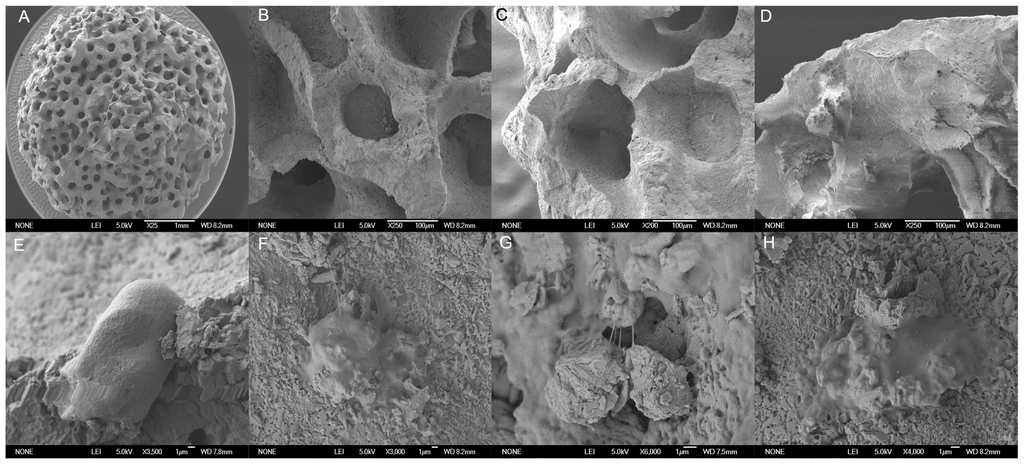
Another exciting area is biomineralization. This is the process by which living organisms produce minerals, often to harden or stiffen existing tissues. Think of seashells or the enamel on your teeth. Researchers are learning from these natural processes to create materials with incredible strength and complexity. By using bacteria or other cells as tiny factories, they can build intricate, mineralized structures from the bottom up.
This fusion of metallurgy and biology is just beginning. By understanding the fundamental handshake between metal and cell, we can design a new generation of materials that are not just placed in the body, but become a part of it.
Time to check your understanding of these core ideas.
What is the critical first step that occurs almost immediately after a metallic material is introduced into a biological environment like the human body?
A surgeon needs a screw to fix a bone fracture that will heal in 6 months. To avoid a second surgery for removal, the ideal material for the screw would be:
These fundamental concepts are the building blocks for understanding more advanced applications in medicine and biotechnology.