Bill of Quantities Explained
Introduction to Bills of Quantities
The Project's Master List
Think of a Bill of Quantities, or BOQ, as the ultimate shopping list for a construction project. It's a detailed document that lists every single item needed to get the job done. This includes all materials, parts, and even the labor required. From the number of bricks and bags of cement to the hours of plumbing work, everything is itemized.
The main purpose of a BOQ is to create a clear, standardized basis for pricing. When contractors bid for a project, they use the BOQ to calculate their costs. Since every contractor is pricing the exact same list of items, the client can compare their bids fairly and transparently. It's like asking several grocery stores for the price of the exact same shopping list—you can easily see who offers the best value.
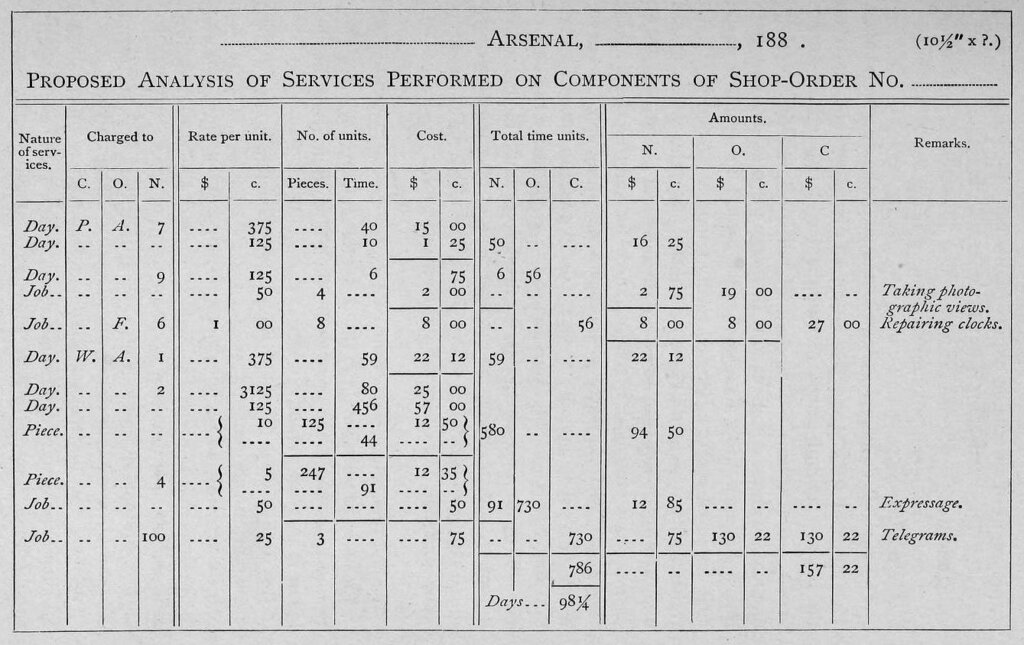
This document isn't just for the bidding stage. Throughout the project, the BOQ serves as a guide for managing costs and tracking progress. It helps prevent misunderstandings about what work is included in the contract, reducing the risk of disputes down the line. By having everything specified from the start, both the client and the contractor know exactly what is expected.
Inside the BOQ
A standard Bill of Quantities is broken down into a few key parts. Each item has a clear description, its quantity, and the unit of measurement. The contractor then fills in their rate for each item and calculates the total amount. This structured format makes it easy to understand the cost breakdown of the entire project.
| Item Description | Quantity | Unit | Rate (filled by contractor) | Amount (filled by contractor) |
|---|---|---|---|---|
| Excavation for foundations | 150 | m³ | ||
| Reinforced concrete in foundations | 80 | m³ | ||
| Common brickwork | 250 | m² | ||
| Interior paint, two coats | 1,200 | m² | ||
| Electrical wiring | 600 | m |
Here’s what each column represents:
- Item Description: A detailed explanation of the work or material (e.g., 'Supply and install interior wooden doors').
- Quantity: The amount needed for that item (e.g., 15 doors).
- Unit: The standard unit of measurement (e.g., 'number', 'square meters', 'cubic meters').
- Rate: The contractor's price per unit. This includes material, labor, and profit.
- Amount: The total cost for that item, calculated by multiplying the quantity by the rate.
The BOQ provides a common language for everyone involved, ensuring that bids are accurate and project costs are transparent from day one.
Let's review the main idea before we move on.
What is the primary purpose of a Bill of Quantities (BOQ)?
In a BOQ, the total cost for an item, listed in the 'Amount' column, is calculated by multiplying which two values?
Understanding the BOQ is the first step toward effective cost management in any construction project.