BigCommerce E-commerce Management Essentials
Introduction to E-Commerce
What is E-Commerce?
Electronic commerce, or e-commerce, is simply the buying and selling of goods or services over the internet. When you order a pizza through an app, buy a new pair of sneakers from a website, or subscribe to a streaming service online, you're participating in e-commerce.
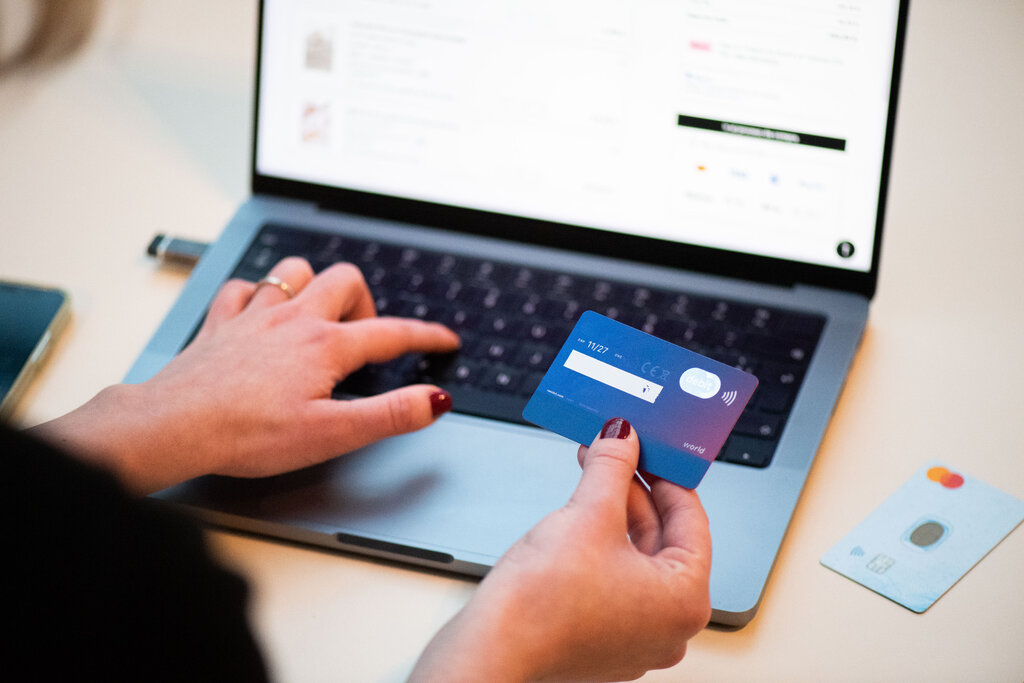
But its significance goes far beyond simple convenience. E-commerce has fundamentally changed how businesses operate and how we, as consumers, access products. It removes geographical limitations, allowing a small artisan in one country to sell their crafts to a customer on the other side of the world. For businesses, it opens up a global marketplace. For consumers, it provides nearly limitless choice.
E-commerce breaks down geographical barriers, allowing businesses to reach a worldwide audience.
The Main Business Models
E-commerce isn't a one-size-fits-all concept. The relationship between the seller and the buyer defines the business model. There are three primary types you'll encounter.
B2C (Business-to-Consumer)
noun
A model where a business sells products or services directly to individual consumers. This is the most common form of e-commerce.
This is the classic online retail model. Think of your favorite clothing brand, electronics store, or online supermarket. They buy products (or manufacture them) and sell them directly to you for personal use.
B2B (Business-to-Business)
noun
A model where a business sells its products or services to another business.
B2B transactions often involve products or services that other companies need to operate or grow. This could be raw materials, professional services, or enterprise software. The sales process is often longer, and the order values are typically much higher than in B2C.
C2C (Consumer-to-Consumer)
noun
A model where individuals sell products or services directly to other individuals, often through a third-party platform.
Platforms like eBay, Etsy, and Facebook Marketplace facilitate C2C e-commerce. They create a digital space where individuals can list items, find buyers, and handle transactions. The platform typically takes a small commission or fee for providing the service.
| Model | Seller | Buyer | Example |
|---|---|---|---|
| B2C | Business | Consumer | Buying a phone from Apple's website. |
| B2B | Business | Business | A marketing agency buying stock photos from a photo service. |
| C2C | Consumer | Consumer | Selling old furniture on Facebook Marketplace. |
The E-Commerce Ecosystem
A successful online sale isn't just a click and a purchase. It's the result of several interconnected components working together seamlessly. This is the e-commerce ecosystem.
Think of the ecosystem as the behind-the-scenes machinery that makes online shopping possible. The main parts are the storefront, the payment gateway, and logistics.
Online Storefront
This is the digital equivalent of a physical store. It's the website or app where customers browse products, read descriptions, and add items to their cart. A good storefront is visually appealing, easy to navigate, and provides all the information a customer needs to make a decision. It's the face of the business.

Payment Gateway
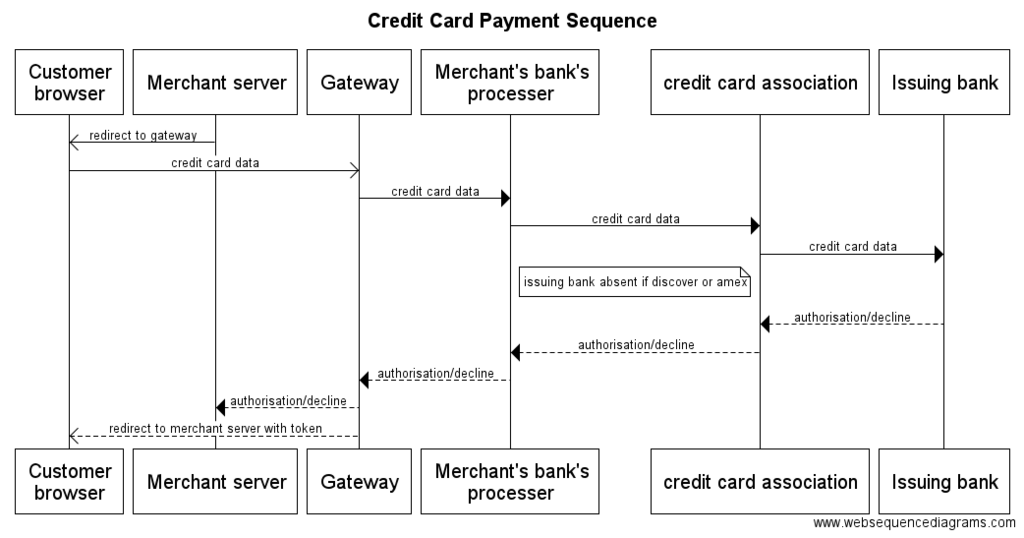
Once a customer decides to buy, they need a secure way to pay. A payment gateway is a service that processes credit card payments and other electronic transactions. It acts as the secure middleman between the customer's bank and the seller's bank, encrypting sensitive financial information to ensure it stays safe.
Logistics
After the payment is confirmed, the product needs to get to the customer. This is logistics. It includes everything from inventory management (knowing what's in stock), to warehousing (storing the products), to picking and packing the order, and finally, shipping it to the customer's doorstep. For digital products like software or e-books, logistics means ensuring a secure and reliable download process.
Each of these components must work flawlessly to create a positive customer experience. A great website is useless if the payment system fails, and a quick payment process means little if the product never arrives. Together, they form the foundation of any online business.
Ready to check your understanding? Let's see what you've learned.
Which of the following scenarios best describes a Business-to-Business (B2B) e-commerce model?
What is the primary function of a payment gateway in the e-commerce ecosystem?
Understanding these core concepts is the first step into the vast world of online commerce. From here, businesses build strategies to attract customers, manage operations, and grow in the digital marketplace.