Big Tech in Higher Education
Platform University Models
From Campus to Cloud
For decades, universities were self-contained digital islands. They ran their own email servers, managed vast data centres in campus basements, and often developed bespoke software for everything from student registration to library catalogues. This on-premise infrastructure was entirely under the university's control. But this model is rapidly being replaced.
Today, higher education is undergoing a structural shift known as 'platformization'. This isn't just about adopting new software. It's about migrating the core digital infrastructure of the university—for teaching, research, and administration—onto massive, centralised platforms run by a handful of Big Tech firms. The university is no longer just a consumer of technology; it's becoming a 'node' within a vast commercial ecosystem.
The 'As-a-Service' Model
The transition to a Platform University is built on the cloud computing 'as-a-service' model. Instead of owning and maintaining their own IT, institutions rent resources. This happens at three main levels:
-
Infrastructure as a Service (IaaS): Universities rent raw computing power, storage, and networking from providers like Amazon Web Services (AWS), Microsoft Azure, or Google Cloud. This replaces the need for physical data centres.
-
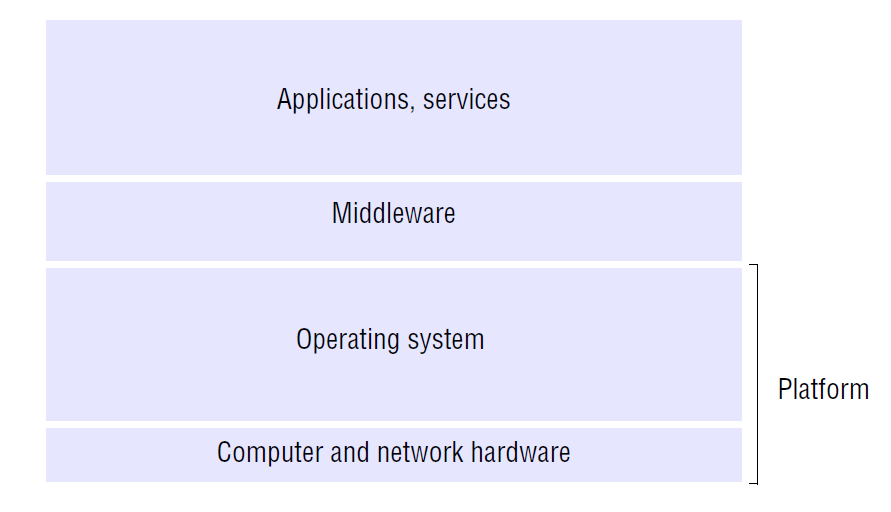
Platform as a Service (PaaS): This provides a foundation—like an operating system and development tools—for the university to build and run its own custom applications without managing the underlying infrastructure.
-
Software as a Service (SaaS): This is the most common layer. Universities subscribe to ready-made software for essential functions, such as Microsoft 365 for email and collaboration, or learning management systems like Canvas.
The economic logic is compelling. Universities can reduce large capital expenditures on hardware and IT staff, replacing them with predictable operational costs. More importantly, these platforms offer immense scalability—the ability to support a massive open online course (MOOC), process huge research datasets, or simply ensure email never goes down during peak times. Efficiency and reliability become the top priorities.
The New Digital Landlords
This shift has led to the infrastructural dominance of Amazon, Google, and Microsoft. They are not merely vendors; they provide the 'connective architecture' that underpins the modern university. Google for Education, for instance, integrates everything from student email (Gmail) and collaborative documents (Docs) to cloud storage (Drive) and a learning platform (Classroom).
This creates a powerful 'lock-in' effect. Once a university commits its data, workflows, and user identities to a single provider's ecosystem, the cost and complexity of switching to a competitor become enormous.
This dependency turns the university into a kind of digital tenant. Key functions like admissions, student analytics, and research collaboration are no longer performed on university-owned systems. Instead, they happen inside a commercial 'black box'. The university feeds data into the system and gets an output, but the proprietary algorithms that process the data and shape the user experience remain opaque and controlled by the platform owner. This raises critical questions about data privacy, academic freedom, and institutional autonomy.
The integration goes even further. Platforms like (AWS) not only host the university's data but also offer specialised services for education, like tools for machine learning research and student data analytics. This blurs the line between infrastructure provider and active participant in the educational mission. A single commercial pipeline can now connect student data, faculty research, and institutional operations, all managed for profit.
The accelerated evolution of digital infrastructures and algorithmic systems is reshaping how the humanities engage with knowledge and culture.
This platformization marks a profound change. While the pursuit of efficiency is understandable, it redefines the role of the university. It shifts from an autonomous institution that builds and controls its own tools to one that rents its core functions from a powerful, centralized, and commercially driven tech industry. The long-term consequences of this dependency are still unfolding.