Bicycle Basics
Bicycle Components
The Anatomy of a Bicycle
A bicycle might seem simple, but it's a finely tuned machine with many parts working in harmony. Understanding these core components is the first step to riding confidently and keeping your bike in good shape. Let's break down a bike, piece by piece.
The Frame
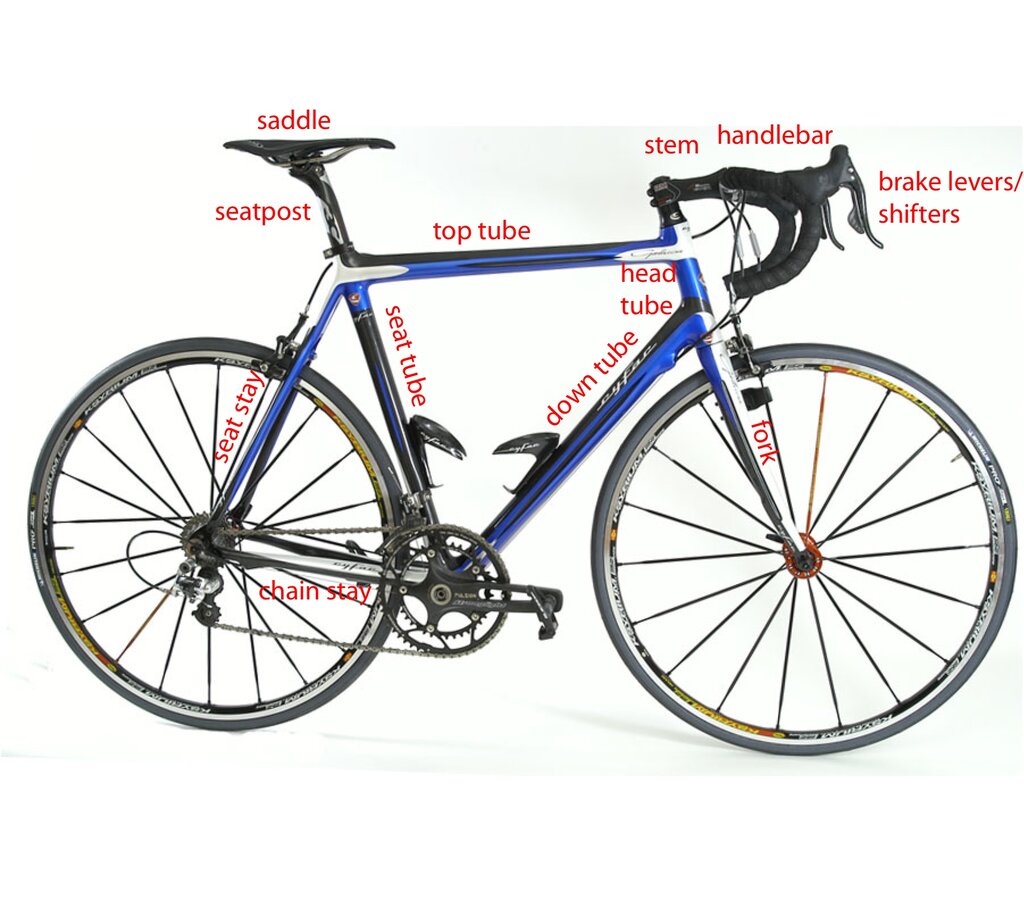
The frame is the skeleton of the bicycle. It's the main structure that holds everything else together. Most frames are made from steel, aluminum, or carbon fiber, each offering a different balance of weight, strength, and cost.
The classic diamond-shaped frame is made up of several tubes. The top tube runs horizontally, the down tube slopes down, and the seat tube goes up to the saddle. Together, they create a strong, rigid core for the bike.
Wheels and Tires
Wheels allow the bike to roll, and they consist of three parts: the hub at the center, the rim on the outside, and the spokes connecting the two. The hub contains bearings that let the wheel spin freely.
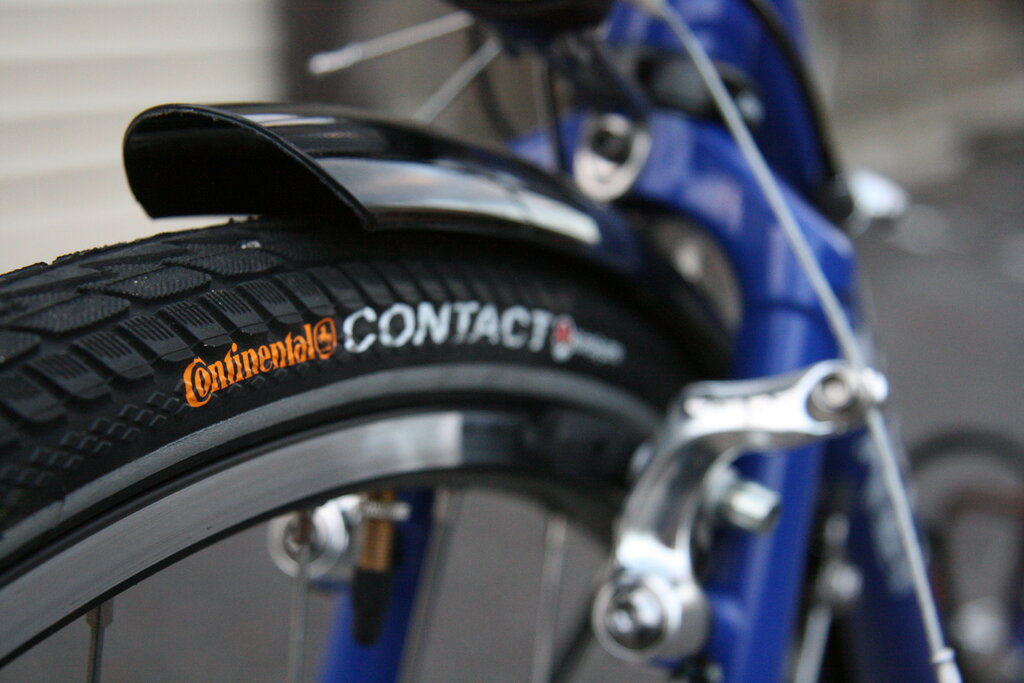
The tire is the rubber part that actually touches the ground. It provides grip and absorbs bumps in the road. Keeping your tires inflated to the correct pressure is crucial for a smooth and efficient ride. Different types of bikes have different tires—skinny and smooth for road bikes, wide and knobby for mountain bikes.
Control and Comfort
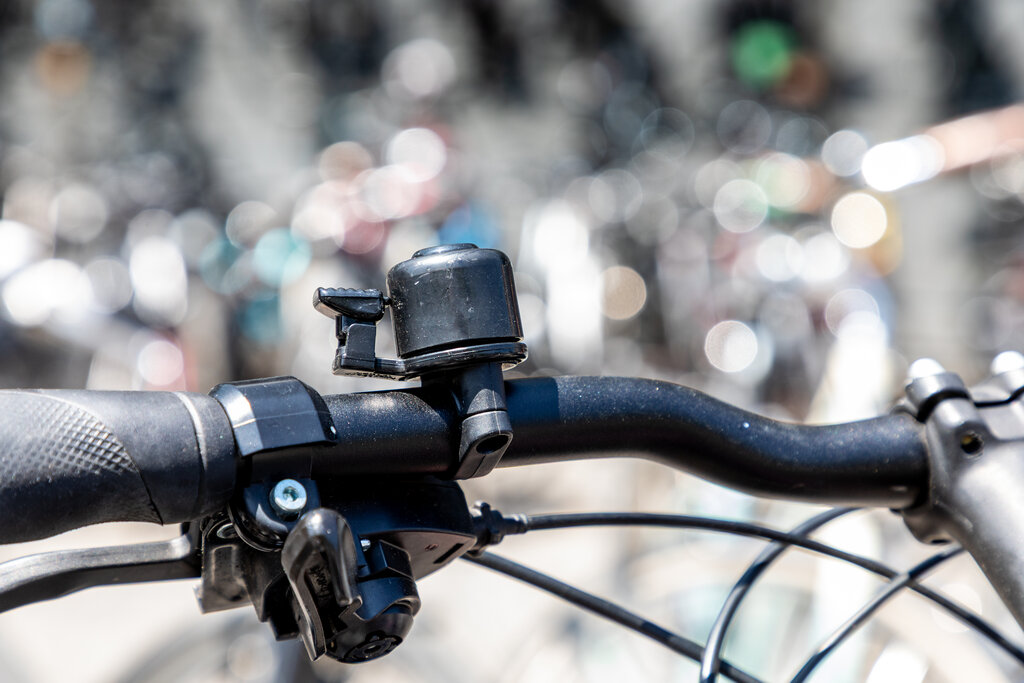
You control the bike through the handlebars and sit on the saddle (or seat). The handlebars are connected to the front wheel via the fork, allowing you to steer. They also hold the brake levers and gear shifters, putting all the controls at your fingertips.
The saddle is your main point of contact for sitting. Its height and angle can be adjusted for a comfortable and efficient riding position. Finding the right saddle and setting it up correctly makes a huge difference on longer rides.
The Drivetrain
The drivetrain is the collection of parts that transfers power from your legs to the rear wheel, making the bike move forward. It's the bike's engine room.
It all starts with the pedals. When you push on the pedals, you turn the crankset, which is the set of arms the pedals are attached to. The crankset has one or more large gears on it, called chainrings.
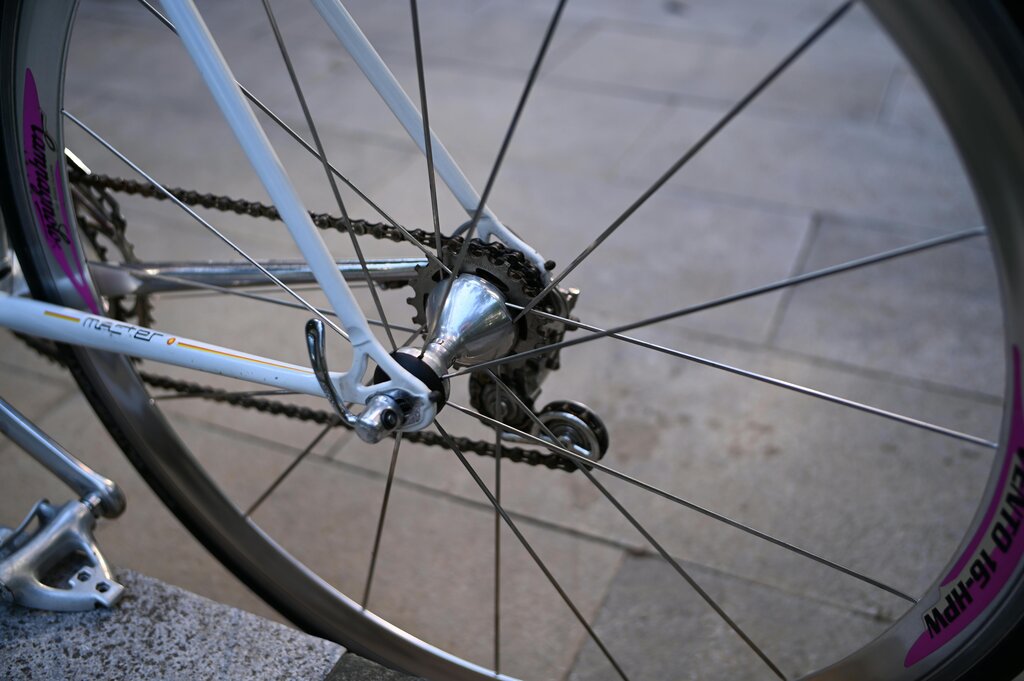
A chain connects the chainrings at the front to a cluster of gears on the rear wheel, called a cassette. When you pedal, the chain moves and turns the rear wheel.
To make pedaling easier or harder, you change gears. This is handled by derailleurs. The rear derailleur moves the chain across the different gears of the cassette, while a front derailleur (if the bike has one) moves the chain between the chainrings. You control the derailleurs using shifters on your handlebars.
The Braking System
Of course, stopping is just as important as going. The braking system allows you to slow down safely. Most modern bikes use one of two types of brakes: rim brakes or disc brakes.
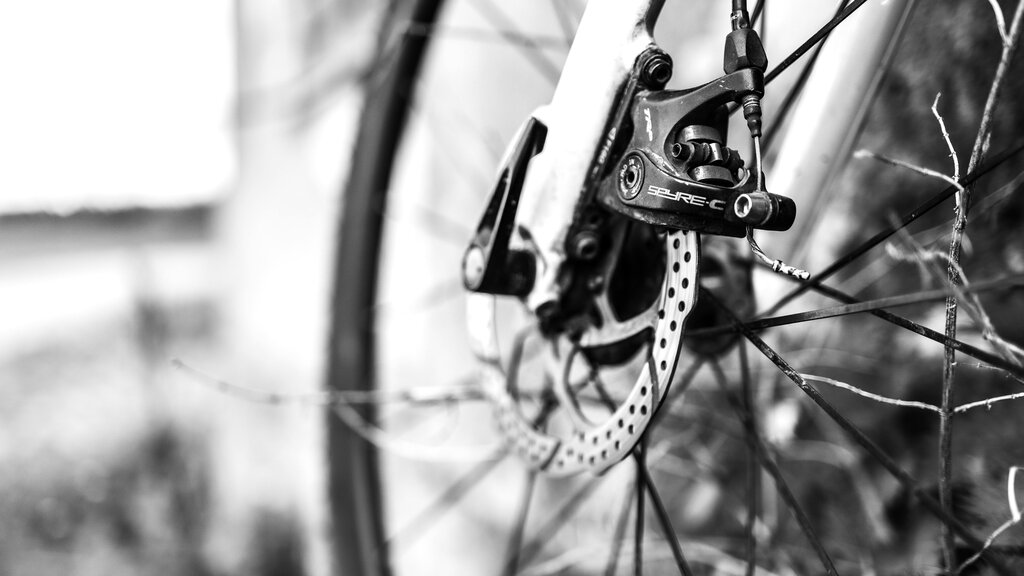
Rim brakes have pads that squeeze against the sides of the wheel's rim to create friction and slow it down. Disc brakes work more like a car's brakes, with a caliper that squeezes pads against a metal rotor attached to the center of the wheel hub.
Both systems are operated by brake levers on the handlebars. Squeezing a lever pulls a cable (or pushes fluid in hydraulic systems) to activate the brake.
Now that you know the key parts of a bike, let's test your knowledge.
What is the primary function of the bicycle frame?
Which part of the drivetrain connects the front chainrings to the rear cassette?
And there you have it. The frame, wheels, drivetrain, and brakes are the core systems that make a bicycle work. Knowing what they are and what they do is the foundation for becoming a more capable cyclist.