Bhutan's Digital Governance with NGOTAG Studio
Introduction to NDGF
A Rulebook for a Digital Nation
In July 2025, Bhutan launched its National Digital Governance Framework, or NDGF. Think of it as a comprehensive rulebook for how the entire country handles digital information. Before the NDGF, different government agencies often managed data in their own ways. This could lead to confusion, inefficiency, and security risks. The framework was created to replace this fragmented system with a unified, national approach.
The goal is to ensure all government data is managed consistently, securely, and ethically, turning it into a reliable national asset.
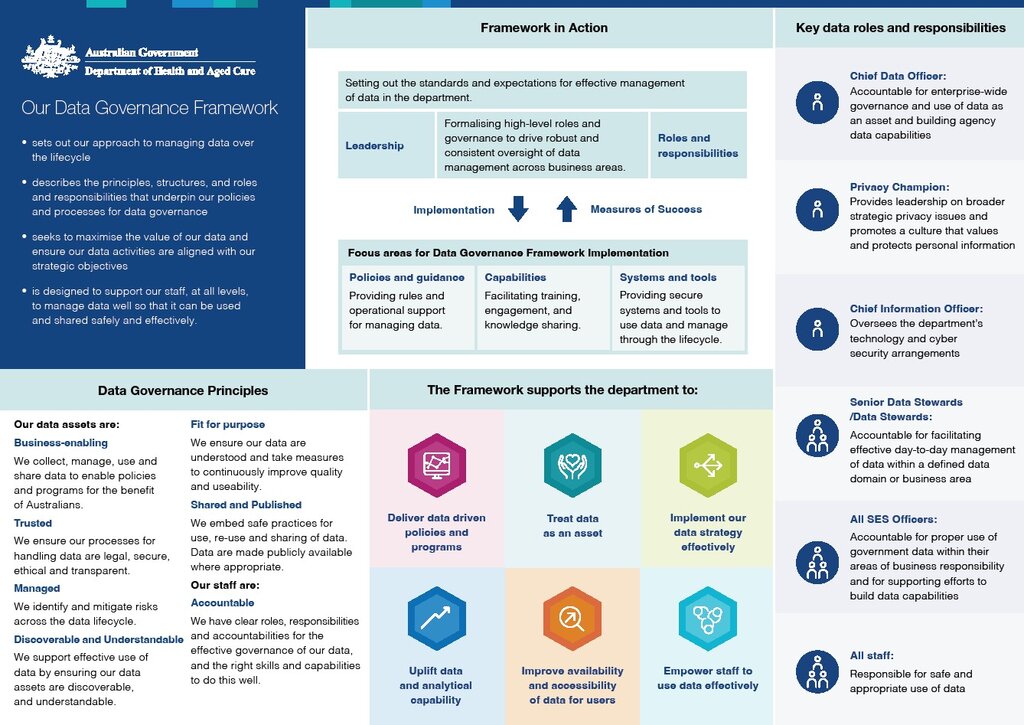
This framework provides the essential structure for Bhutan's ongoing digital transformation. It's not just about technology; it's about creating clear processes and responsibilities to guide how public data is collected, stored, shared, and protected.
The Core Objectives
The NDGF is built around several key goals designed to create a modern, data-driven government. Each objective addresses a specific challenge in managing a nation's information.
-
Streamline Policies: Create one clear, consistent set of rules for data management across all government bodies. This ends the confusion of different departments having conflicting standards.
-
Establish National Standards: Define a single way to format and classify data. Whether it's a citizen's address or a business registration date, the format is the same everywhere, making data easier to use and understand.
-
Improve Sharing and Interoperability: Make it possible for different government systems to communicate and share data seamlessly. This means a citizen doesn't have to provide the same information repeatedly to different agencies.
-
Ensure Security and Privacy: Implement strong safeguards to protect sensitive information from unauthorized access and cyber threats. This builds public trust by guaranteeing that personal data is kept private and secure.
-
Promote Ethical Use: Establish clear guidelines on the responsible use of data, ensuring it serves the public good and respects individual rights.
-
Enhance Data Infrastructure: Upgrade the underlying technology and systems needed to support a modern data ecosystem, from storage to processing power.
Why Now? The Context
The creation of the NDGF wasn't an overnight decision. It emerged from a growing need to bring order to the country's digital landscape. As Bhutan embraced more digital services, the absence of a central framework became a significant hurdle. Government agencies were collecting vast amounts of data, but this information was often trapped in "silos," isolated within the agency that collected it.
This lack of coordination made it difficult to get a complete picture for national planning. It also created redundancies, with different departments collecting the same information over and over. Legally, there was a need to formalize data protection and privacy rules to align with global standards and protect citizens' rights in an increasingly digital world. The NDGF provides the legal and institutional foundation to solve these problems, paving the way for more efficient and citizen-centric governance.
Data governance frameworks provide a clear set of policies and procedures for managing and improving this relationship (something that’s missing from most human connections).
By establishing this framework, Bhutan is not just organizing its data. It's building a foundation of trust and efficiency that is critical for its journey into a fully digital future.
What was the primary problem that Bhutan's National Digital Governance Framework (NDGF) was designed to solve?
Which of the following is NOT a stated goal of the NDGF?