Bharatiya Nagarik Suraksha Sanhita (BNSS) Reforms
Digital FIR Transformation
A New Digital Front Door for Justice
The way a criminal case begins has been fundamentally reshaped. The Bharatiya Nagarik Suraksha Sanhita (BNSS), 2023, modernizes the very first step of the criminal justice process: filing a First Information Report (FIR). Section 173 of the BNSS replaces the old Section 154 of the Criminal Procedure Code (CrPC), moving critical procedures from judicial guidelines and administrative practice into black-letter law. This isn't just a change in section numbers; it's a structural shift toward efficiency and accessibility.
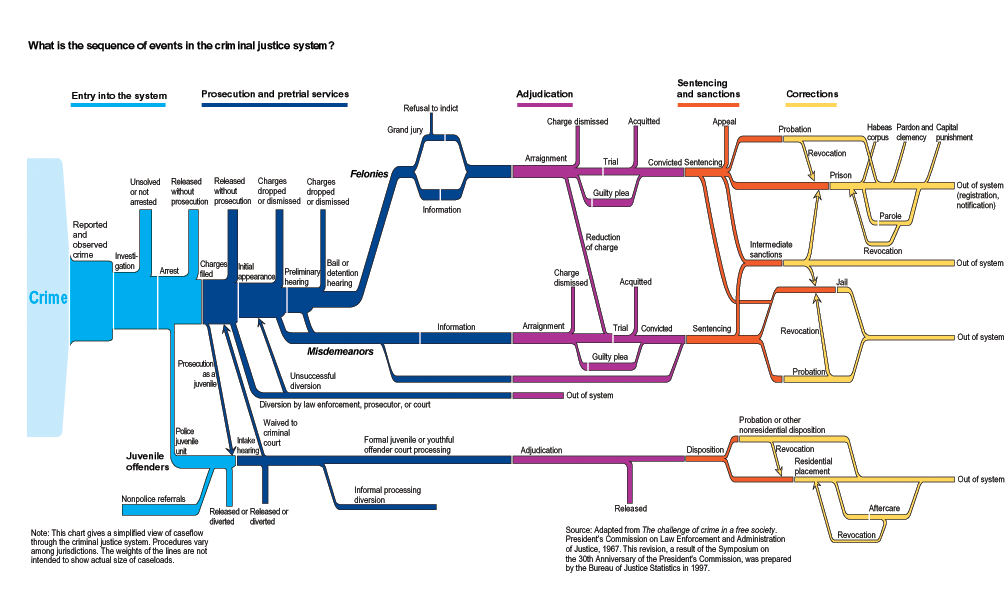
Under the old system, a police officer was required to register an FIR upon receiving information about a cognizable offense, but the rules around jurisdiction could cause delays. Victims were sometimes sent from one police station to another, trying to find the one with the correct authority to investigate. This created significant hurdles, especially in moments of crisis.
The 'Zero FIR' Becomes Law
One of the most significant changes in Section 173 is the statutory codification of the Zero FIR concept. Previously a judicially-mandated practice, a Zero FIR can be filed at any police station, regardless of whether the crime occurred in that station's jurisdiction. The station records the information, assigns it a serial number of '0', and then transfers it to the appropriate police station for investigation.
This change ensures that immediate action can be taken without jurisdictional arguments delaying the process. For the victim, it means the closest police station is always the right one.
By making the Zero FIR a legal requirement, the BNSS removes any ambiguity. It empowers victims to report a crime without delay and places the burden of inter-station coordination squarely on the police, not the person seeking help. This is a crucial step, particularly in cases of heinous crimes where every second counts.
Entering the Digital Age: The E-FIR
Section 173 also formally introduces the electronic FIR, or e-FIR. Information about a cognizable offense can now be given electronically. This digital-first approach recognizes that people communicate differently today and aims to make reporting more accessible. However, this convenience comes with a critical procedural requirement.
For an e-FIR to be considered officially registered, the informant must physically sign the printout of the information within three days of giving it. If this signature isn't obtained, the electronic report doesn't become a formal FIR. Instead, the police officer is expected to proceed with a preliminary inquiry. This three-day rule is a safeguard to prevent false or anonymous complaints from triggering full-scale investigations while still allowing for a quick initial response.
A More Victim-Centric Approach
The BNSS places a strong emphasis on the rights of the victim, starting from the moment a crime is reported. Section 173 mandates that a copy of the FIR must be provided free of cost to the informant or victim. While this was standard practice, making it an explicit legal right strengthens the victim's position and ensures they have an official record of their complaint.
Furthermore, the law introduces specialized protocols for recording information from vulnerable individuals. When information is given by a woman against whom certain offenses like sexual assault have been committed, it must be recorded by a woman police officer. For individuals with temporary or permanent mental or physical disabilities, the police must record their statement at a place of their convenience, often their residence, and in the presence of an interpreter or a special educator. This process should also be video-graphed. These provisions aim to create a more sensitive, supportive, and barrier-free environment for reporting crime.
Before you test your knowledge, let's review the key terms.
Which new law has replaced Section 154 of the Criminal Procedure Code (CrPC) for the purpose of filing a First Information Report (FIR)?
What is the primary significance of making the "Zero FIR" a statutory requirement under the BNSS?
These changes under Section 173 of the BNSS mark a significant evolution in how criminal justice is initiated in India. By codifying the Zero FIR, enabling e-FIRs, and embedding victim-centric procedures into law, the new code aims to build a more responsive and accessible system from the very first step.