Beyond Virgin Cotton Material Science
Cotton Types
The Starting Point: Virgin Cotton
Most cotton products start as virgin cotton. This simply means the fiber is new, harvested directly from the cotton plant and processed for the first time. It hasn't been used or recycled before. The journey from field to fabric is a straightforward one: the fluffy cotton bolls are picked, cleaned, and then run through a gin to separate the fibers from the seeds.
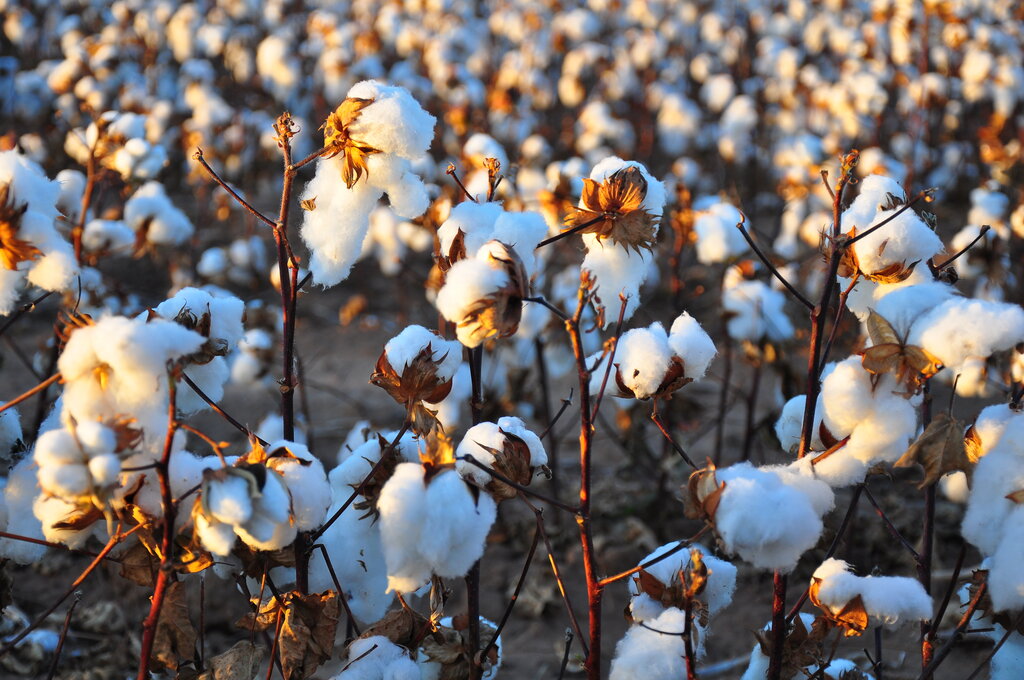
These raw fibers, known as staple fibers, are then spun into yarn. The length of these staple fibers is crucial; longer fibers generally produce stronger, smoother, and more durable fabrics. Since virgin cotton fibers haven't been broken down by previous use or processing, they are at their longest and strongest.
Staple fiber
noun
A natural fiber of a specific, limited length. Cotton, wool, and flax are all examples of staple fibers.
Growing a Different Way: Organic Cotton
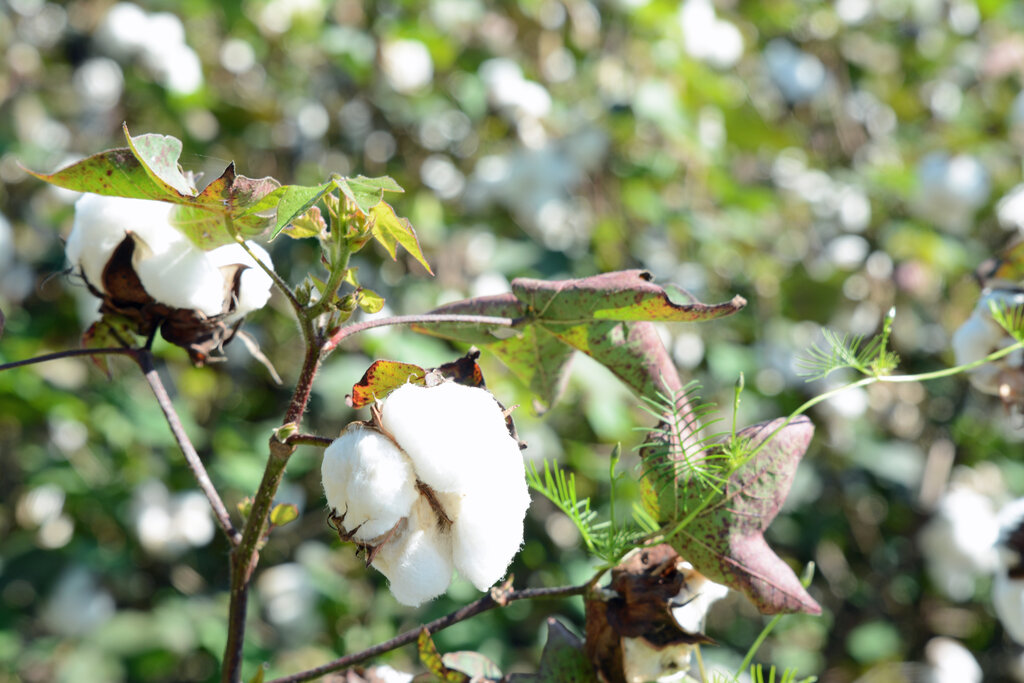
Organic cotton is also a type of virgin cotton, but it's defined by how it's grown. To be certified as organic, cotton must be cultivated without the use of synthetic pesticides, herbicides, or fertilizers. Farmers rely on natural methods like crop rotation and composting to maintain soil health and manage pests.
This approach isn't just a matter of preference. It requires strict adherence to established standards. Independent organizations provide certifications, such as the Global Organic Textile Standard (GOTS), which verifies that the cotton was grown and processed according to specific guidelines. From a production standpoint, the key benefit is a system that avoids manufactured agricultural chemicals.
Giving Fibers a Second Life
Instead of starting from scratch, some cotton is made by recycling existing materials. This process breaks down fabrics back into fibers that can be spun into new yarn. There are two main sources for recycled cotton.
Pre-consumer recycled cotton comes from manufacturing waste. Think of the scraps of fabric left over after a pattern is cut for a t-shirt or a pair of jeans. Instead of being thrown away, this material is collected and recycled.
Post-consumer recycled cotton comes from used textile products. This includes old clothing, towels, and bedding that have been discarded by consumers.
The recycling process is mechanical. The fabrics are sorted by color, shredded into smaller pieces, and then pulled apart until they revert to a fibrous state. This shredding process shortens the cotton's staple fibers, which can result in a weaker yarn. To counteract this, recycled cotton is almost always blended with a stronger fiber, like virgin cotton or polyester, to improve the durability of the final product.
A Chemical Transformation
A more complex way to reuse cotton waste is by creating regenerated cellulose fibers. This isn't recycling in the mechanical sense; it's a chemical process that completely transforms the material.
Cellulose
noun
The main substance in the cell walls of plants, used in making textiles and plastics. Cotton fiber is over 90% cellulose.
This process often uses cotton linters, which are the very short, fuzzy fibers left on the cottonseed after ginning. This waste material is dissolved in a non-toxic solvent, creating a thick, pulp-like liquid. This liquid is then forced through tiny holes, much like a showerhead, into a solution that causes the liquid cellulose to harden back into long, continuous filaments. These new fibers, such as lyocell and cupro, can then be spun into yarn.
Because the cellulose is reformed at a molecular level, the resulting fibers have different properties than the original cotton. They are often known for their silky smoothness and excellent drape.
Let's review the different types of cotton fibers we've covered.
Ready to test your knowledge?
What is the primary reason that virgin cotton typically produces stronger and more durable fabrics compared to recycled cotton?
Which of the following is a defining characteristic of certified organic cotton?
From the farm to the factory and back again, cotton fibers can take many paths before they become the fabrics we use every day. Understanding these different types helps clarify what goes into our textiles.