Beyond the Report Card
Sociology of Meritocracy
From Bloodlines to Report Cards
For most of human history, your lot in life was sealed at birth. A farmer's son became a farmer; a duke's daughter married a baron. Society was a rigid pyramid built on bloodlines and inheritance. This aristocratic system was challenged by the radical idea that a person's ability and effort, not their lineage, should determine their success. The rise of industrialisation and fuelled this shift, creating a demand for skilled individuals to manage factories, engineer cities, and run complex new governments.
Suddenly, competence mattered more than a fancy last name. The ideal of 'meritocracy' emerged as a promise of fairness—a world where anyone could rise to the top through talent and hard work. It was a powerful and liberating concept, aiming to replace the lottery of birth with a race where the most deserving would win.
The Meritocracy Trap
The term 'meritocracy' wasn't coined by a champion of the system, but by a critic. In 1958, British sociologist wrote a satirical book called The Rise of the Meritocracy. He imagined a future Britain where society was rigidly stratified by intelligence and effort, a formula he described as .
Young's chilling prediction was that this new system, designed to be fair, would create its own brutal hierarchy. The new elite would feel utterly justified in their power, believing they had earned it fair and square. Meanwhile, those at the bottom would have no one to blame but themselves, stripped of the comfort that their position was merely an accident of birth. This created a social paradox: a system meant to increase opportunity could end up cementing inequality with an iron-clad moral justification.
Meritocracy is a hypothetical system in which social stratification is determined by personal effort and merit.
Schools as Sorting Machines
To make meritocracy work, society needed a mechanism to measure and certify 'merit'. The modern education system stepped into this role. Schools became more than just places of learning; they became the primary sorting machines for society. Your grades, test scores, and degrees became credentials—signals to the world about your intelligence, discipline, and potential value.
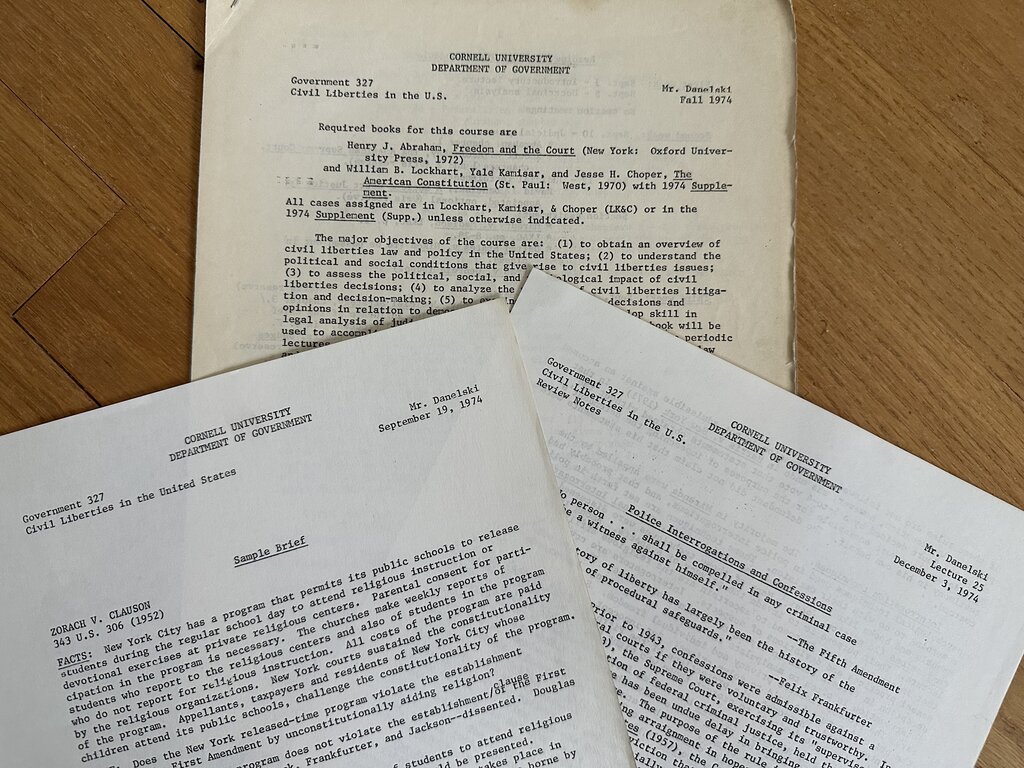
This credentialing function serves a crucial economic purpose. In a large, anonymous society, employers can't possibly know every job applicant personally. They need a quick and easy way to filter candidates. Standardised tests, like the civil service exams or university entrance tests, offered a seemingly objective solution. They provided a simple number that could be used to rank and compare millions of people, making the hiring process more efficient.
This created a new definition of 'worth'—one that could be measured, graded, and printed on a certificate.
However, this focus on measurable, academic achievement came at a cost. By defining merit so narrowly, the system inherently devalues other forms of intelligence and skill. Qualities like creativity, empathy, manual dexterity, or leadership—which are difficult to quantify on a multiple-choice test—are often pushed to the margins. A brilliant artist or a natural community organiser might be labelled a failure by a system that only values their score in calculus. This creates a systemic bias, rewarding a specific type of analytical intelligence while overlooking a vast range of other human talents.
As a result, the meritocratic ideal, which started as a way to break down old barriers, has in many ways erected new ones. It created a high-stakes competition where the rules favour those who excel at a particular, academically-defined version of 'merit'.
Now, let's test your understanding of the sociology of meritocracy.
Who first coined the term 'meritocracy', and what was the context of its creation?
According to Michael Young's satirical critique, what was the formula for determining an individual's 'merit'?
The shift from aristocracy to meritocracy represented a fundamental change in how society organises itself, but as we've seen, it came with its own set of complex challenges and unintended consequences.