Beverage Business Success in Nigeria
Market Research
Understanding Your Customer
Before you create a single drop of your new beverage, you need to know who will be drinking it. Nigeria is a vast and diverse country. A drink that’s popular in Lagos might not sell well in Kano. Tastes vary widely based on region, income, age, and lifestyle.
Think about what Nigerians value in their drinks. Many prefer sweet flavors, but a growing number of health-conscious consumers are looking for options with less sugar. Local flavors are also incredibly popular. Drinks made from hibiscus (zobo), ginger, or tamarind have a built-in cultural appeal.

Don't forget packaging. While some consumers prefer glass bottles, others need the affordability and convenience of smaller plastic bottles or sachets. Your target customer’s daily life should guide these decisions. Are they commuting in a busy city? A portable, resealable bottle might be best. Are they buying for a whole family? Larger formats could be the answer.
To understand these preferences, you have to talk to people. Run taste tests. Use surveys. Ask potential customers what they like, what they don't like, and how much they’re willing to pay.
Sizing Up the Competition
You are not entering an empty market. The Nigerian beverage industry is crowded with both global giants and small local producers. Knowing who you're up against is crucial for finding your own space to succeed.
The competition can be broken into a few categories. On one end, you have multinational corporations with massive marketing budgets and extensive distribution networks. On the other, you have small-scale local sellers who have deep community trust and offer traditional, familiar flavors. Each has its own strengths and weaknesses.
| Competitor Type | Examples | Key Strengths | Potential Weaknesses |
|---|---|---|---|
| Multinationals | Coca-Cola (Coke, Fanta), PepsiCo (Pepsi, 7Up) | Strong brand recognition, vast distribution | Often higher priced, may be seen as less healthy |
| National Brands | La Casera, Bigi Drinks | Good distribution, affordable pricing | Intense competition within this tier |
| Local Producers | Neighborhood zobo & kunu sellers | Very affordable, authentic local taste | Inconsistent quality, limited reach |
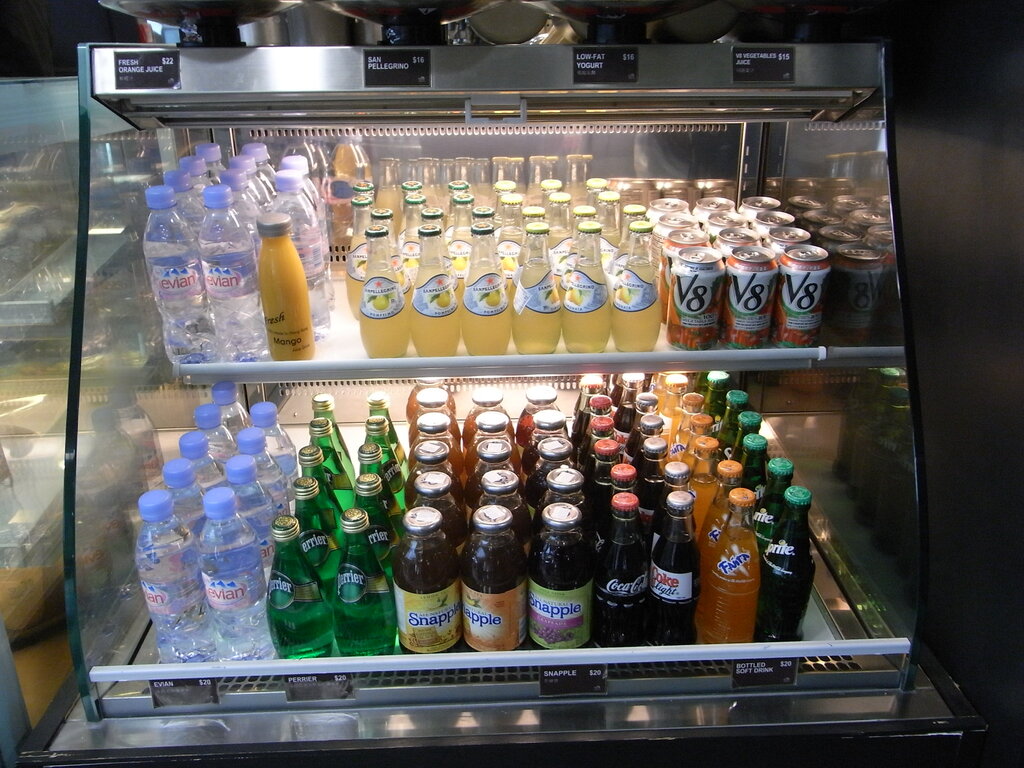
Analyze what these competitors do well and where they fall short. Is there a flavor they are missing? Is their packaging inconvenient? Can you offer a healthier option or a more authentic taste? Their weaknesses are your opportunities.
Gauging Market Demand
Market demand isn't just about whether people like your drink; it's about whether they are willing and able to buy it. You need to figure out if there's a large enough group of potential customers to build a sustainable business.
There are two main ways to research this. First is secondary research, which involves using existing information. Look at industry reports, government statistics on consumer spending, and articles about beverage trends in Nigeria. This gives you a broad overview of the market.
Second, and more importantly, is primary research. This is new research you conduct yourself. It's where you get specific answers about your product idea. This includes:
- Surveys: Ask direct questions about purchasing habits, flavor preferences, and price sensitivity.
- Focus Groups: Bring a small group of people together to taste your product and provide detailed feedback.
- Interviews: Have one-on-one conversations to gain a deeper understanding of a consumer's motivations and needs.
Market research helps you find customers for your business.
Combining these methods gives you a complete picture. Secondary research tells you the size of the pond, while primary research tells you if your specific fish can swim in it.
Time to check your understanding of market research.
When launching a new beverage in Nigeria, why is it essential to first identify a specific target audience?
A beverage company wants to target daily commuters in a bustling city like Lagos. Based on the text, which packaging format would be most suitable?
This research forms the foundation of your business. It transforms guesswork into an informed strategy, guiding your product development, marketing, and sales efforts.