Being a Contributing Human
Introduction to Civic Engagement
What Is Civic Engagement?
Civic engagement is, simply, participating in the life of your community to make it a better place. It’s about recognizing that you are part of a larger group—a neighborhood, a city, a nation—and taking active steps to contribute to its well-being. A healthy democracy isn't a spectator sport. It relies on people getting involved, sharing their voices, and working together to solve problems.
Civic Engagement
noun
Individual and collective actions designed to identify and address issues of public concern. It can take many forms, from individual volunteering to organized group efforts to political participation.
Thinking of society as a team helps clarify the idea. If only a few players are on the field, the team won't get very far. But when everyone understands their role and contributes, the whole team succeeds. Civic engagement is how we all play our part.
Forms of Participation
Getting involved doesn't mean you have to run for office. Civic participation happens at many levels, and every contribution matters. These actions generally fall into three broad categories.
Individual Volunteerism: This is direct, hands-on work to help others. It's often the most personal form of engagement. Examples include donating blood, cleaning up a local park, tutoring a student, or delivering meals to an elderly neighbor.
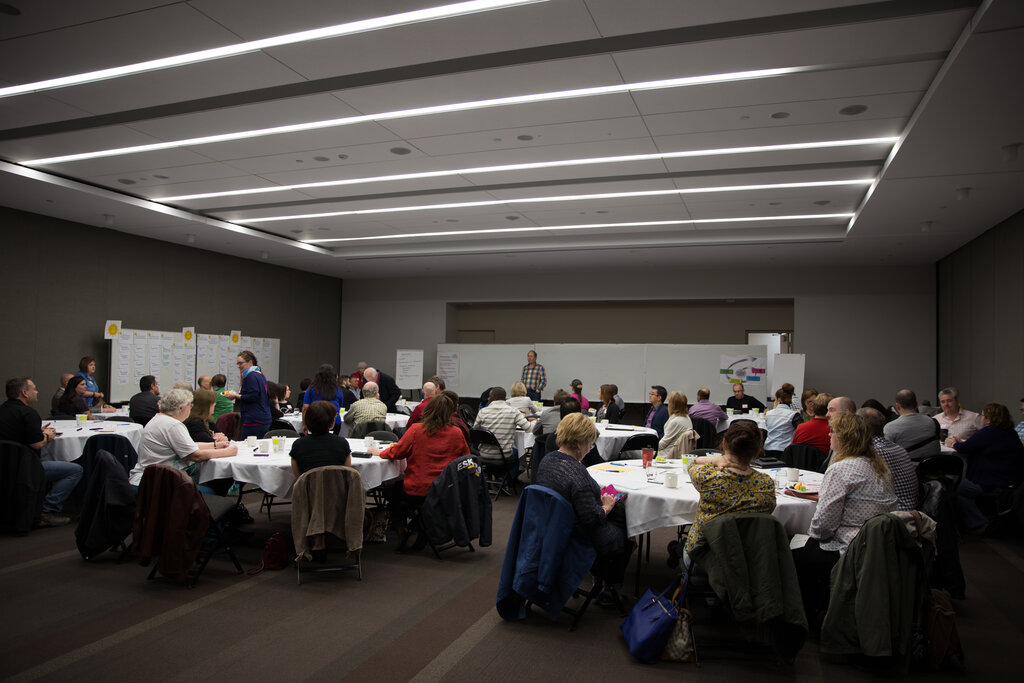
Community Involvement: This involves working with others on shared goals. It’s about building connections and collaborating to improve the local environment. You might join a neighborhood association, organize a community garden, fundraise for a local charity, or participate in public meetings.
Political Activities: This form of engagement relates directly to government and public policy. It's how citizens influence the rules and structures that govern society. Common political activities include voting in elections, contacting elected officials, signing petitions, attending town hall meetings, or peacefully protesting.
The Benefits of Getting Involved
Active citizenship creates a ripple effect, benefiting individuals, their communities, and society as a whole. When people engage, they don't just solve problems—they build a stronger, more connected world.
| Beneficiary | Impact of Civic Engagement |
|---|---|
| The Individual | Develops new skills, expands social networks, and gains a sense of purpose and belonging. |
| The Community | Problems get solved, social trust increases, and the quality of life improves for everyone. |
| Society | Democratic values are strengthened, leaders are held accountable, and important social change is driven forward. |
Ultimately, engagement moves us beyond just being residents of a place to becoming active members who share responsibility for its future.
Community is more than participation; it requires moving from participation to engagement, involvement, and action.
A Legacy of Action
History is filled with examples of ordinary people creating extraordinary change through civic engagement. The founding of the United States itself was a massive act of civic participation, as colonists organized, debated, and ultimately fought for a new form of government.

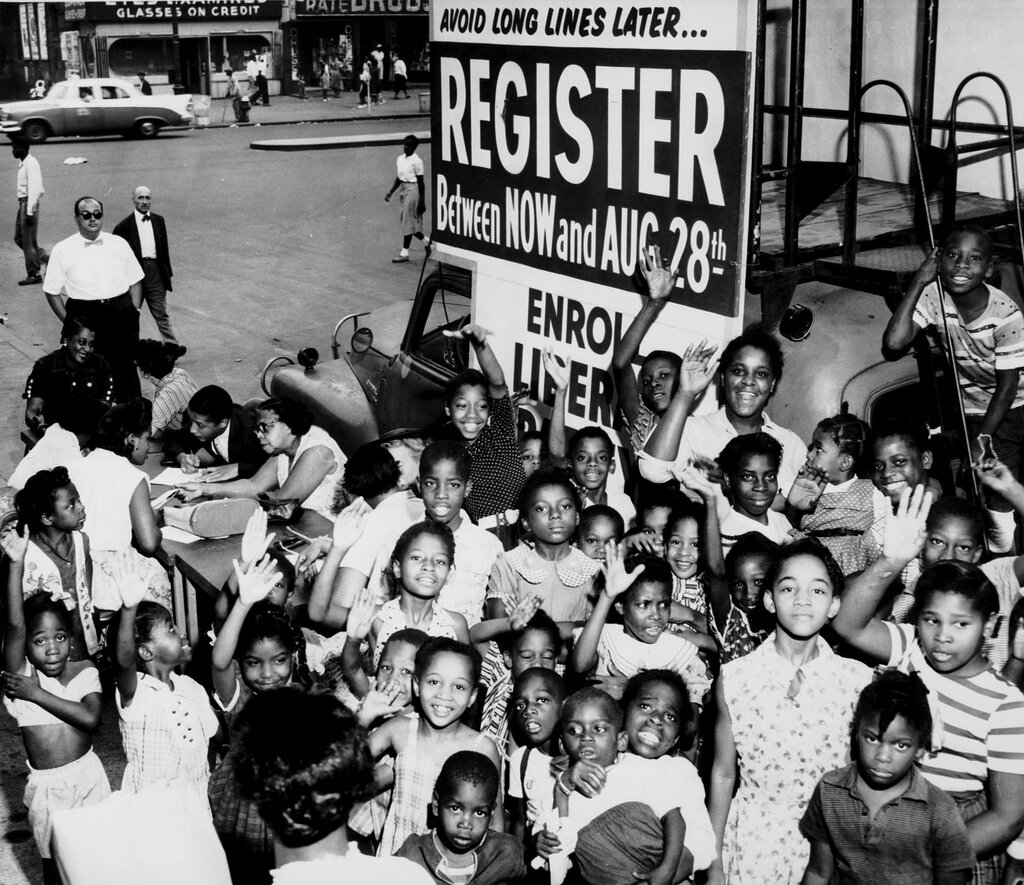
Major social movements were also powered by civic action. The women's suffrage movement organized parades, petitions, and protests to win the right to vote. During the Civil Rights Movement, citizens used boycotts, marches, and voter registration drives to challenge segregation and secure equal rights. These historical moments show that when people come together for a common cause, they have the power to reshape society.
Now, let's review the key ideas from this section.
Ready to test your knowledge?
Which of the following best defines civic engagement?
Organizing a community garden falls under which primary category of civic engagement?
Understanding these foundations is the first step toward becoming a more active and informed citizen. Every action, big or small, contributes to the health of our communities.