Beijing A Millennium of Chinese History
Early History of Beijing
A Strategic Gateway
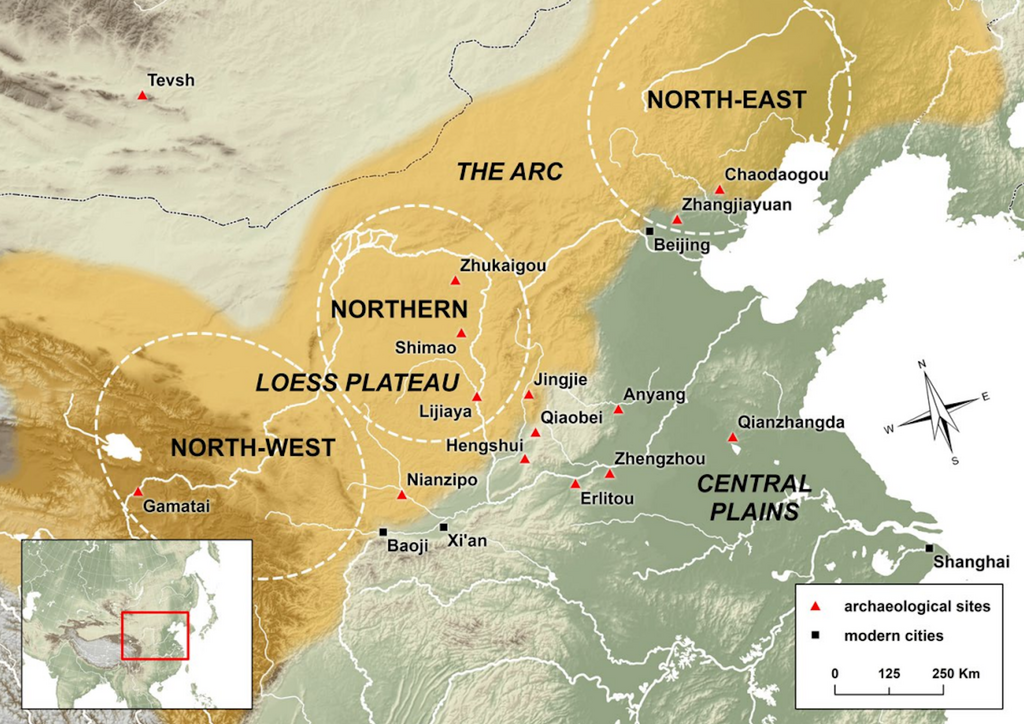
Long before it was a sprawling metropolis, the area we now call Beijing held a position of immense strategic value. Situated at the northern edge of the fertile North China Plain, it served as a crucial gateway. To the south lay the agricultural heartland of Chinese civilization. To the north and west were the vast steppes of Mongolia and Manchuria, home to nomadic peoples.
This unique geography made the region a natural crossroads for trade, culture, and conflict. Control of this area meant control of the vital corridors between the settled, agricultural world and the nomadic steppe. For centuries, armies marched through its mountain passes, and merchants used its routes to transport goods.
City of Ji, Capital of Yan
The earliest known city in the Beijing area was called Ji. Founded during the Shang dynasty (c. 1600–1046 BCE), it was a small but locally important center. Its prominence grew significantly when it became the capital of the State of Yan during the Zhou dynasty.
The earliest city in the Beijing area.
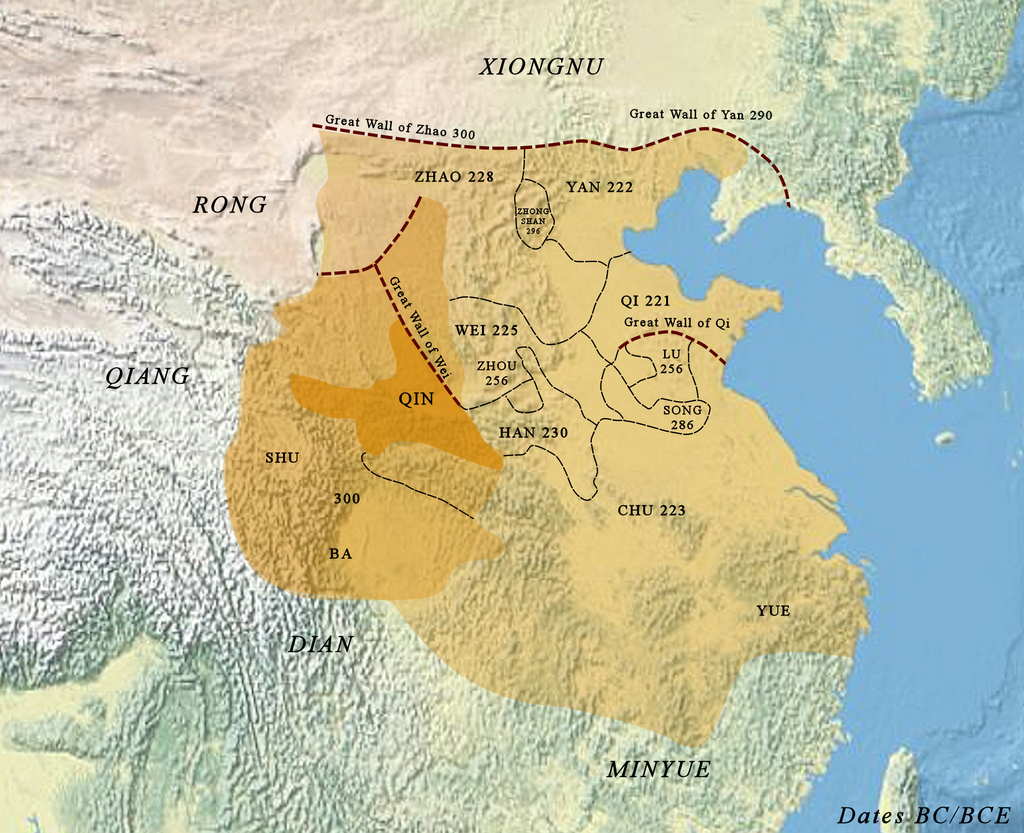
During the turbulent Warring States Period (475–221 BCE), Yan was one of the seven major states vying for control of China. As its capital, Ji was a major political and military hub. Rulers of Yan built up its defenses and used it as a base for campaigns against their rivals and the nomadic peoples to the north.
A Frontier Commandery
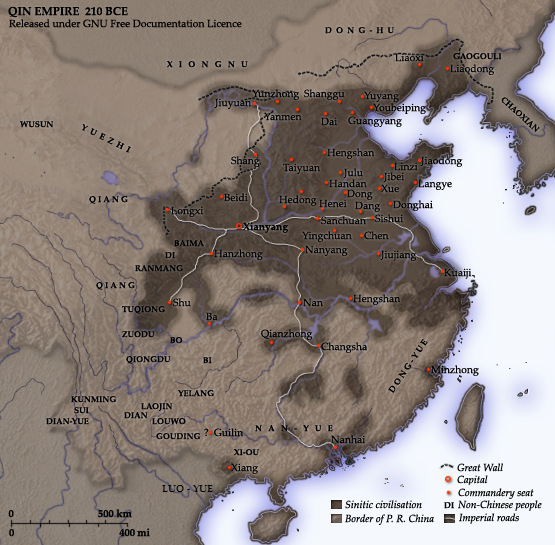
In 221 BCE, the state of Qin conquered its rivals and unified China, establishing the Qin dynasty. The old kingdoms were dismantled and replaced with a system of provinces and commanderies. The former Yan capital, Ji, was renamed Jixian and became the administrative seat of the Guangyang Commandery.
Under the Qin and the subsequent Han dynasty, the city's role shifted from a royal capital to a vital frontier outpost.
Its location remained as important as ever. The Qin and Han empires faced constant threats from the Xiongnu, a powerful confederation of nomadic tribes to the north. Jixian was a key staging ground for military expeditions into the steppes and a defensive anchor for the northern frontier. Soldiers were garrisoned there, and supplies were gathered for campaigns. It was one of the most important northern cities, protecting the imperial heartland from invasion.
Even in these early days, the city's fate was tied to its geography. It was a buffer, a fortress, and a bridge between worlds, a role it would continue to play for millennia.
What geographical feature was most responsible for Beijing's early strategic importance?
The earliest known city in the Beijing area was named:
This foundational period set the stage for Beijing's eventual rise. Its strategic importance, established over centuries of conflict and trade, ensured it would remain a key player in the long story of China.