Behavioral vs. Traditional Firm Theory
Traditional Theory of the Firm
The Profit Motive
At its core, the traditional theory of the firm is simple and powerful. It starts with one big idea: businesses exist to make as much money as possible. Every decision, from hiring an employee to launching a new product, is driven by the goal of maximizing profit.
The pursuit of self-interest is the primary driver of economic activity in a free market. For businesses, this translates to the profit motive.
Profit is the money left over after all costs are paid. To maximize it, a firm must do two things simultaneously: make its total revenue as high as possible and its total costs as low as possible. This single-minded focus on the bottom line is the engine of the traditional model.
This theory views the firm as a single, unified entity that acts with a clear purpose. It's less concerned with the messy internal politics or individual motivations of employees and more focused on the firm's overall behavior as an economic player.
A World of Perfect Choices
To make the math work, this traditional model rests on a couple of very big assumptions. They don't perfectly reflect reality, but they create a useful framework for understanding business behavior.
The first assumption is rational decision-making. The theory treats the firm as a perfectly logical calculator. Given a set of options, it will always choose the one that leads to the highest possible profit. There's no room for emotion, bias, or guesswork in this model; every choice is the optimal one.
The second key assumption is perfect information. The firm is presumed to know everything it needs to know to make these perfect choices. It knows exactly what customers want, the prices of all raw materials now and in the future, what competitors are planning, and the most efficient production techniques. It’s like playing a card game where you can see everyone else's hands.
With perfect information and pure rationality, the path to maximum profit is not just the goal, it's a clear and solvable equation.
How It Works in Theory
With these assumptions in place, we can predict how a firm will act. Every action becomes a calculated step toward the ultimate goal of profit.
Resource Allocation: The firm knows the most profitable way to use its resources. It will invest in new machinery only if the return on that investment is higher than any other option. It will allocate its budget for marketing, research, and production with surgical precision, ensuring not a single dollar is wasted on a less-than-optimal activity.
Production Decisions: How much should the firm produce? A profit-maximizing firm knows the exact quantity that will bring in the most revenue without driving up costs unnecessarily. It produces right up to the point where the cost of making one more item (marginal cost) equals the revenue from selling that item (marginal revenue). Producing less leaves money on the table; producing more means losing money on each extra unit.
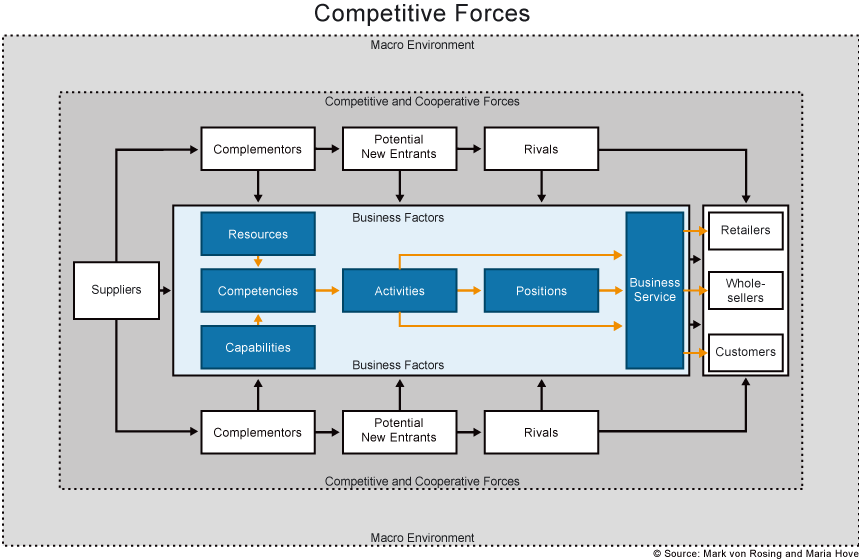
Market Interactions: The firm's relationships with customers, suppliers, and competitors are purely transactional. It will set prices at a level that squeezes the most profit from the market. It will negotiate with suppliers to get the lowest possible costs. It enters, leaves, or competes in markets based on a cold, hard calculation of potential profit.
Cracks in the Model
The traditional theory provides a clean and elegant explanation for business behavior. But it’s a starting point, not the final word. Its strength—simplicity—is also its greatest weakness. The real world is far messier than the model assumes.
First, the assumption about human behavior is a major stretch. Firms aren't single-minded robots. They're made up of people with different goals, biases, and limited attention. A manager might be more interested in building an empire (increasing their department's size) than in maximizing the company's overall profit. Office politics can lead to decisions that are good for one person's career but bad for the bottom line.
Second, the idea of perfect information is unrealistic. No company knows the future. Market conditions change unexpectedly, new competitors emerge, and customer tastes shift. Firms operate under uncertainty, forcing them to make educated guesses rather than perfect calculations. They might aim for profit maximization, but they can never be certain they've achieved it.
These limitations don't make the traditional theory useless. They simply highlight that it's an idealization. It describes how a firm would behave in a perfect world, which gives us a baseline for understanding why firms in the real world often act differently. These cracks open the door to other theories that try to paint a more realistic picture of how businesses really operate.
According to the traditional theory of the firm, what is the primary and singular goal of any business?
The traditional theory assumes firms have 'perfect information'. What does this imply about their decision-making?
This model, with its focus on rational profit-seeking, remains a foundational concept in economics for analyzing corporate behavior.