Behavioral Addiction Recovery Alternatives
Introduction to Behavioral Addictions
Beyond Substances
When we hear the word “addiction,” our minds often jump to substances like alcohol or drugs. But addiction is broader than that. It can also involve behaviors. Think of the thrill of winning a bet, the escape of an online game, or the rush of buying something new. These activities can become just as compelling and destructive as any substance.
Behavioral Addiction
noun
A condition in which a person engages in a rewarding, non-substance-related behavior compulsively, despite knowing it has negative consequences for their life.
At its core, a behavioral addiction involves a cycle: a person feels an intense urge to perform a certain action, experiences a temporary high or relief while doing it, and then often feels shame or regret afterward. This cycle creates a powerful loop that is difficult to break. The key elements are a loss of control and continuing the behavior even when it harms their health, finances, or relationships.
Behavior vs. Substance
So what’s the difference between being addicted to a behavior and being addicted to a substance? The main distinction is the trigger. In one case, it's a chemical you ingest. In the other, it's an activity you perform.
Despite this difference, the underlying brain science is remarkably similar. Both types of addiction hijack the brain’s reward system, flooding it with dopamine—a chemical linked to pleasure and motivation. Your brain learns to associate the substance or behavior with this intense reward, driving you to seek it out again and again. Over time, the brain adapts, and it takes more of the substance or activity to get the same feeling.
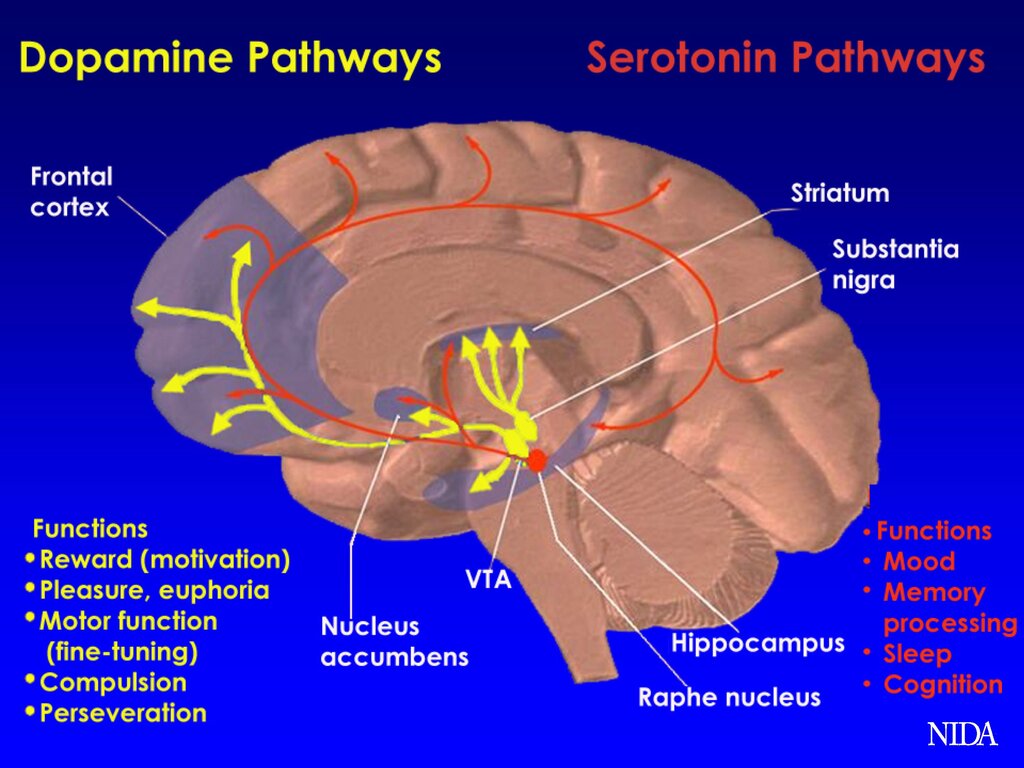
While substance addictions often come with severe physical withdrawal symptoms, like shaking or nausea, withdrawal from a behavioral addiction is primarily psychological. This might include irritability, anxiety, depression, or an overwhelming craving for the activity. Let's break it down.
| Feature | Substance Addiction | Behavioral Addiction |
|---|---|---|
| Source | An external chemical (e.g., alcohol, nicotine) | An internal action (e.g., gambling, shopping) |
| Brain Reward System | Hijacked by the substance | Hijacked by the behavior |
| Tolerance | Need more of the substance over time | Need more of the behavior over time |
| Withdrawal | Primarily physical symptoms | Primarily psychological symptoms |
| Consequences | Health, legal, financial, social | Financial, social, professional, psychological |
Common Compulsions
Behavioral addictions can take many forms, often involving activities that are normal or even healthy in moderation. The problem arises when they become excessive, compulsive, and harmful.
- Gambling Addiction: This involves the uncontrollable urge to gamble, despite the financial and personal turmoil it causes. The risk and potential for a big win create a powerful, intermittent reward that keeps people hooked.
- Internet & Gaming Addiction: Characterized by excessive, obsessive use of the internet or video games, this addiction often provides an escape from real-world problems. It can lead to social isolation and a neglect of daily responsibilities like work or school.
- Shopping Addiction: Also known as compulsive buying, this is an obsession with shopping and buying that leads to emotional and financial distress. The act of purchasing provides a temporary feeling of euphoria or relief from negative emotions.

The psychological impact of these addictions is significant. Individuals often experience feelings of guilt, shame, and hopelessness. This can create a vicious cycle where the person engages in the behavior to escape these negative feelings, only to make them worse in the long run. Anxiety and depression are common co-occurring conditions.
Physiologically, the effects might be less obvious than with substance abuse, but they are still real. Chronic stress from the addiction can lead to headaches, stomach problems, and a weakened immune system. Sleep patterns are often disrupted, especially with internet or gaming addiction. Many people also neglect their physical health, forgoing proper nutrition and exercise in favor of their compulsive behavior.
Just because a behavioral addiction doesn't involve a physical substance doesn't make it any less real or damaging. The impact on a person's life can be just as severe.
Now, let's test your knowledge on these concepts.
What is the core feature that distinguishes a behavioral addiction from a simple habit or hobby?
In terms of brain science, what is a key similarity between substance addiction and behavioral addiction?
Before we finish, take a moment to review the key terms from this section.
Understanding that addiction isn't limited to substances is the first step in recognizing these powerful patterns in ourselves and others.