Beginner's Guide to Single-Family Rental Investing
Introduction to Real Estate Investing
Starting Your Journey
Real estate investing is the process of buying property not to live in, but to generate income or profit. Think of it as purchasing an asset that can work for you, earning money over time through rent or an increase in its market value.
Unlike stocks, real estate is a tangible asset. You can see it, touch it, and improve it. This physical nature gives many investors a sense of security and control. The goal is to build wealth steadily, creating a new stream of income that isn't tied to a traditional job.
Real estate has long been one of the most reliable paths to building wealth—but success starts with understanding the fundamentals.
Two Ways to Profit
When you invest in property, you generally make money in two primary ways: appreciation and cash flow. Understanding both is essential to making smart decisions.
Appreciation
noun
The increase in a property's value over a period of time. This growth is influenced by factors like inflation, demand, and changes in the local area.
Appreciation is the long game. You buy a property hoping that in five, ten, or twenty years, it will be worth much more than you paid for it. This is how many investors build substantial long-term wealth.
Cash Flow
noun
The net income from a real estate investment after mortgage payments and all operating expenses have been paid. Positive cash flow means you have money left over each month.
Cash flow is the money that hits your bank account every month. It's the rental income minus all the costs associated with owning the property, such as the mortgage, property taxes, insurance, and maintenance. If your rent is $2,000 and your total monthly expenses are $1,600, you have $400 in positive cash flow.
This monthly income provides financial stability and can be used to cover other expenses or be saved for future investments.
Appreciation builds your wealth quietly over the long term, while cash flow provides you with regular, predictable income.
Why Start with Single-Family Homes?
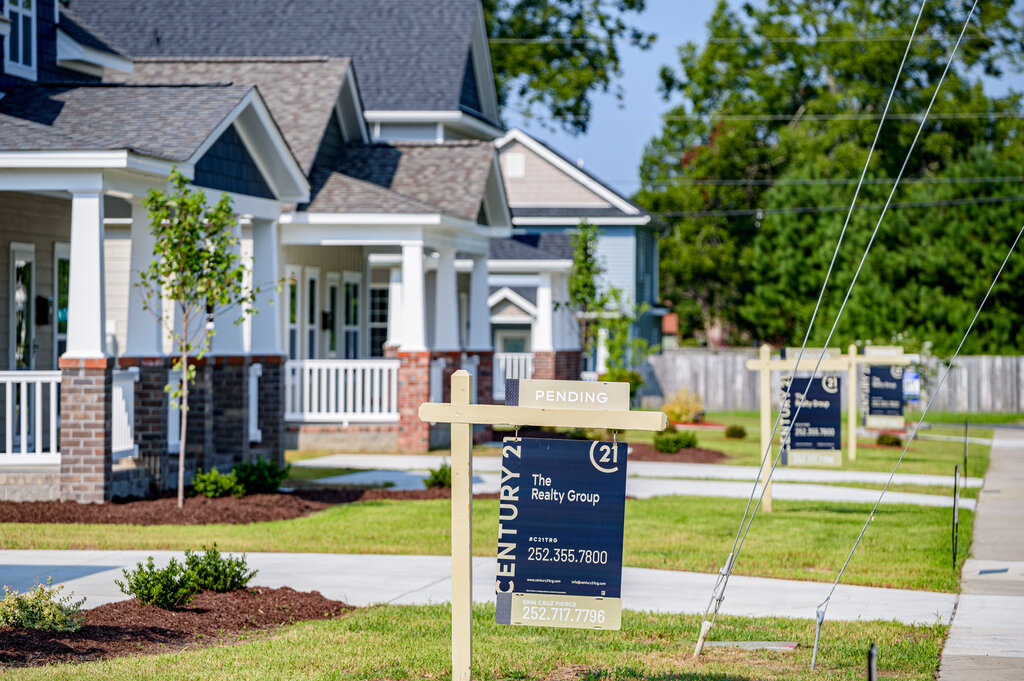
For many new investors, single-family homes are an ideal starting point. They are relatively simple to understand and manage compared to multi-unit apartment buildings or commercial properties.
Because they are common, it's easier to find data on comparable sales and rental rates, which helps you gauge a potential investment's value. The demand for single-family rentals is often consistent, as many people prefer the space, privacy, and yard that a house provides. This can lead to longer-term tenants and lower vacancy rates.
Learning from Others
Investing can feel intimidating, but you don't have to figure it all out on your own. Joining a local Real Estate Investment Association (REIA) or an informal investment club can be incredibly valuable.
These groups offer a space to network with experienced investors, real estate agents, lenders, and contractors. You can learn from the successes and mistakes of others, find potential partners for deals, and stay updated on local market trends. Many clubs also host educational seminars on topics like property analysis, landlord-tenant laws, and market forecasting.
Building a reliable team of professionals who specialize in real estate investment can provide invaluable guidance and support throughout the process.
Surrounding yourself with knowledgeable people is one of the best investments you can make, especially when you're just starting out.
What is the primary purpose of real estate investing, as described in the text?
What are the two main ways an investment property generates profit for its owner?
With these fundamentals in mind, you're ready to start exploring the world of real estate investing.