Beginner's Guide to Investing
Introduction to Investing
First, Set Your Goals
Before you invest a single dollar, you need to know why you're investing. Are you saving for retirement in 30 years? A down payment on a house in five years? Or maybe you just want your money to grow over the long term. Your financial goals are your roadmap.
Knowing your timeline is crucial. A goal that's decades away allows you to take a different approach than a goal that's just around the corner. Short-term goals, like saving for a vacation next year, require safer strategies. Long-term goals, like retirement, give your money more time to grow and recover from market ups and downs.
Begin by defining your financial objectives, whether for retirement, education, wealth accumulation, or other goals.
Write your goals down. Be specific. How much do you need, and by when? This clarity will guide every investment decision you make.
What's Your Risk Tolerance?
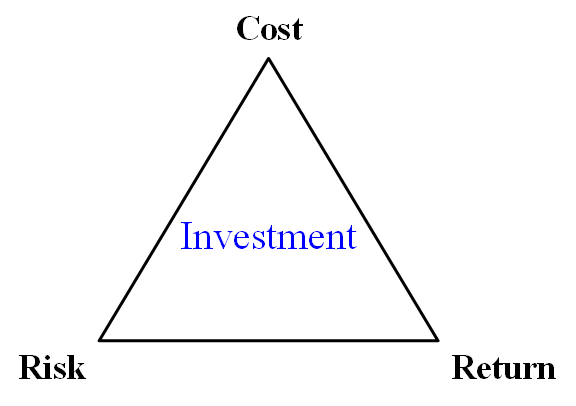
Investing always involves some level of risk. The key is figuring out how much risk you're comfortable with. This is your risk tolerance. It’s a personal measure of how you'd react if your investments lost value. Would you panic and sell, or would you ride it out, knowing that markets fluctuate?
Your risk tolerance often depends on your timeline and your personality. If you have decades until retirement, you can generally afford to take on more risk for potentially higher returns. Your portfolio has plenty of time to recover from downturns. If you need the money soon, you'll likely want to stick with less risky investments.
Think of it like this: aggressive investments are like a fast, bumpy rollercoaster with high peaks and low drops. Conservative investments are more like a scenic train ride—slower, steadier, and with fewer surprises. There's no right answer; it's about finding the ride that lets you sleep at night.
The Power of Time and Compounding
Two of the most powerful forces in investing are the time value of money and compound interest. The time value of money is the idea that money you have today is worth more than the same amount in the future because of its potential to earn more money.
This leads us to compound interest. Albert Einstein supposedly called it the eighth wonder of the world. It’s the process of earning returns not just on your original investment, but also on the accumulated returns from previous periods. It’s interest earning interest, creating a snowball effect.
Starting to invest early is one of the biggest advantages you can give yourself. Even small amounts can grow into significant sums over time thanks to compounding.
The graph shows how a one-time $10,000 investment grows with a 7% annual return. With simple interest, you earn $700 every year. But with compound interest, the growth accelerates, leaving you with more than double the amount after 30 years. This is why starting early matters so much.
Your Investment Options
Once you have your goals and risk tolerance sorted, you can start looking at different types of investments. These are often called asset classes. Here are four common ones to get you started:
Stocks
noun
A share of ownership in a single company. When you buy a stock, you're buying a small piece of that company. If the company does well, the value of your stock may go up. If it does poorly, the value may go down.
Stocks offer the potential for high growth but also come with higher risk compared to other asset classes.
Bonds
noun
Essentially a loan you make to a government or a corporation. In return for your loan, they promise to pay you back the full amount on a specific date, plus periodic interest payments along the way. They are generally considered safer than stocks.
Bonds typically offer lower returns than stocks but provide more stability and predictable income.
Mutual Fund
noun
A pool of money collected from many investors to invest in a diversified portfolio of stocks, bonds, or other assets. When you buy a mutual fund, you're instantly buying many different investments at once, which is managed by a professional.
Mutual funds and similar products like Exchange-Traded Funds (ETFs) are a popular choice for beginners because they offer instant diversification.
Real estate is another common investment. This involves buying physical property, like a house or an apartment building, with the hope that its value will increase over time. You can also earn income by renting it out. Real estate is generally a long-term investment that is less liquid, meaning it can't be quickly converted to cash.
This is just a starting point. Understanding these basic concepts—your goals, risk tolerance, the power of time, and your options—is the first and most important step on your investment journey.
Why is defining your financial goals considered the first and most crucial step in investing?
An investor saving for a retirement that is 30 years away can typically afford to take on more risk than someone saving for a house down payment in 3 years.