Beginner's Guide to Hand Sewing
Sewing Tools
Gathering Your Tools
Before you make your first stitch, it helps to have the right equipment. Using the correct tools not only makes hand sewing easier but also leads to a cleaner, more professional-looking result. Think of these items as your foundational kit for any project that comes your way.
Needles and Thread
The needle is the star of the show, but not all needles are created equal. The right one will glide through your fabric, while the wrong one can cause snags, puckering, or even damage. The needle's eye (the hole for the thread) and its point are designed for specific tasks. Choosing the correct one depends on your fabric and the type of stitching you plan to do.
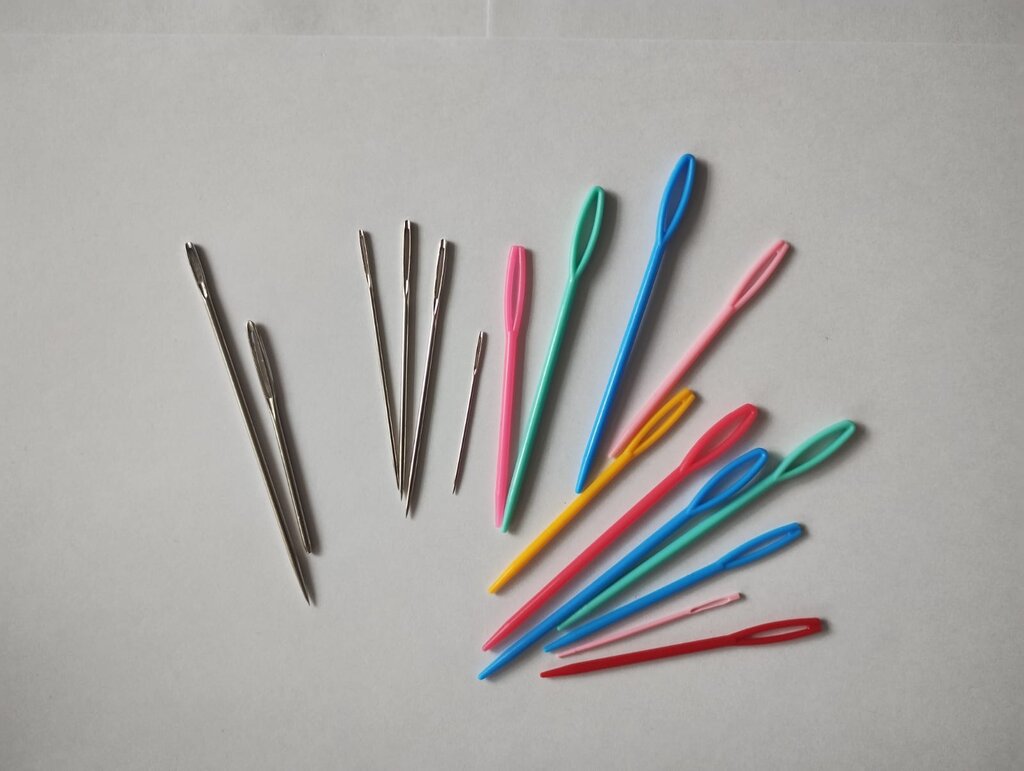
Here’s a quick guide to some common types:
| Needle Type | Best For |
|---|---|
| Sharps | General-purpose sewing; they have a sharp point and a round eye. |
| Betweens | Quilting and detailed handwork; they are shorter with a sharp point. |
| Embroidery | Decorative stitching; they have a long eye to fit thicker floss. |
| Ballpoint | Knit fabrics; the rounded tip slides between yarns instead of piercing them. |
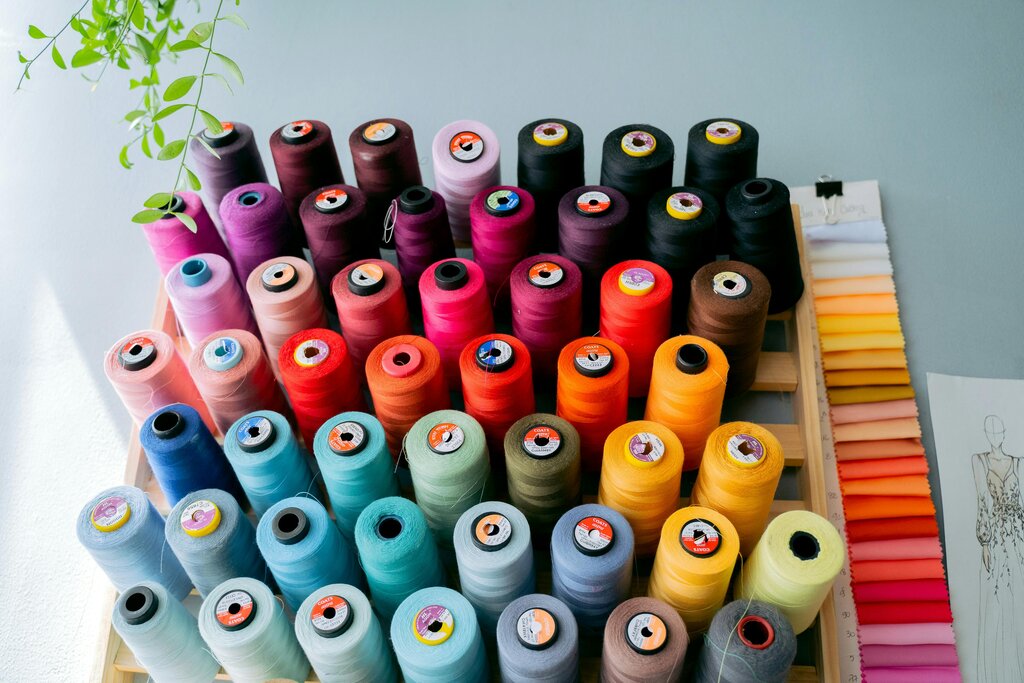
Just like needles, thread comes in many varieties. The general rule is to match your thread to your fabric's fiber content. For example, use cotton thread for cotton fabric and polyester thread for synthetic fabrics. All-purpose polyester thread is a versatile choice for most beginner projects.
Thread also has a "weight," which refers to its thickness. Heavier fabrics like denim require a heavier, thicker thread, while delicate silks need something fine and lightweight.
Cutting and Protecting
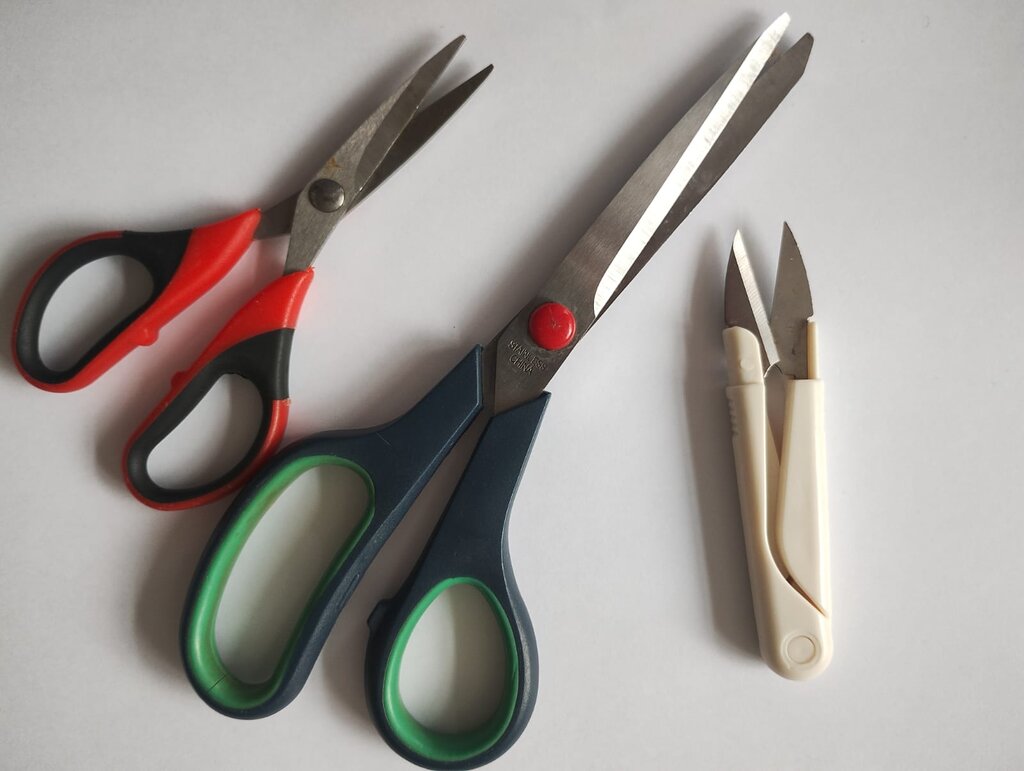
A good pair of scissors is a sewer's best friend. It's wise to have at least one pair of shears dedicated only to fabric. Using your fabric scissors on paper or other materials will dull the blades quickly, leading to ragged cuts and frustration.
Dressmaker's shears, which are typically 8 inches long with a bent handle, are perfect for cutting out large pattern pieces. A smaller pair of scissors, sometimes called snips, is handy for trimming threads close to the fabric.
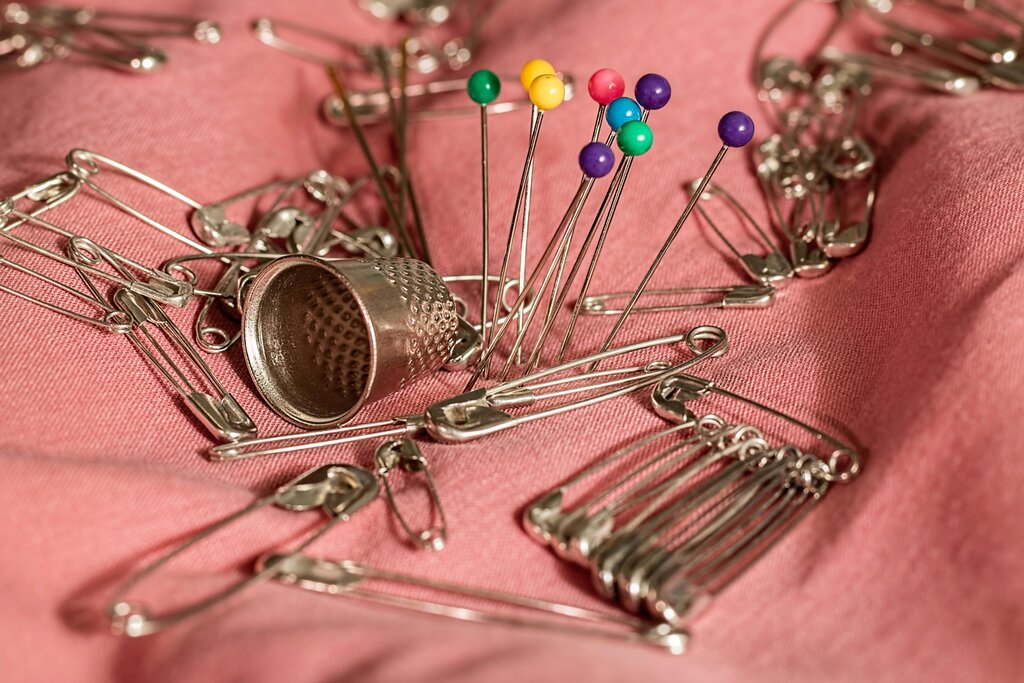
Next up is the humble thimble. This small cap fits over your middle finger on your sewing hand. Its job is to protect your fingertip as you push the needle through the fabric. It might feel awkward at first, but using a thimble is a great habit to build, especially when working with thick or tough materials like canvas or leather. It allows you to apply firm, steady pressure without hurting yourself.
Helpful Accessories
A few other tools will make your sewing life much easier. A pin cushion, often whimsically shaped like a tomato, gives you a safe place to store pins and needles so they don't get lost.
Pin Cushion
noun
A small, stuffed cushion into which pins are stuck for convenient storage.
A flexible measuring tape is essential for taking body measurements and measuring curved pieces of fabric. Unlike a rigid ruler, it can conform to any shape, ensuring your measurements are accurate.
Finally, don't forget the seam ripper. Every sewer, from beginner to expert, makes mistakes. This small tool has a sharp, curved blade that lets you easily pick out and remove unwanted stitches without damaging your fabric. It's better to have one and not need it than to need one and not have it.
A seam ripper is your get-out-of-jail-free card for stitching mistakes.
Now that you're familiar with the basic toolkit, you're ready to tackle your first project with confidence.