Beginner's Guide to Becoming an AI Developer
Introduction to Artificial Intelligence
What Is Artificial Intelligence?
At its core, artificial intelligence is the science of making machines smart. It’s a broad field of computer science focused on building systems that can perform tasks that typically require human intelligence. This includes things like learning from experience, solving problems, understanding language, and recognizing objects in the world around them.
Think of it like teaching a computer to learn the way a person does. Instead of giving it a rigid set of instructions for every single possibility, we create systems that can adapt and make their own decisions based on new information. The goal is to create technology that can reason, learn, and act autonomously.
AI is a broad field that encompasses machine learning, deep learning, natural language processing, computer vision, and more.
A Quick Trip Through Time
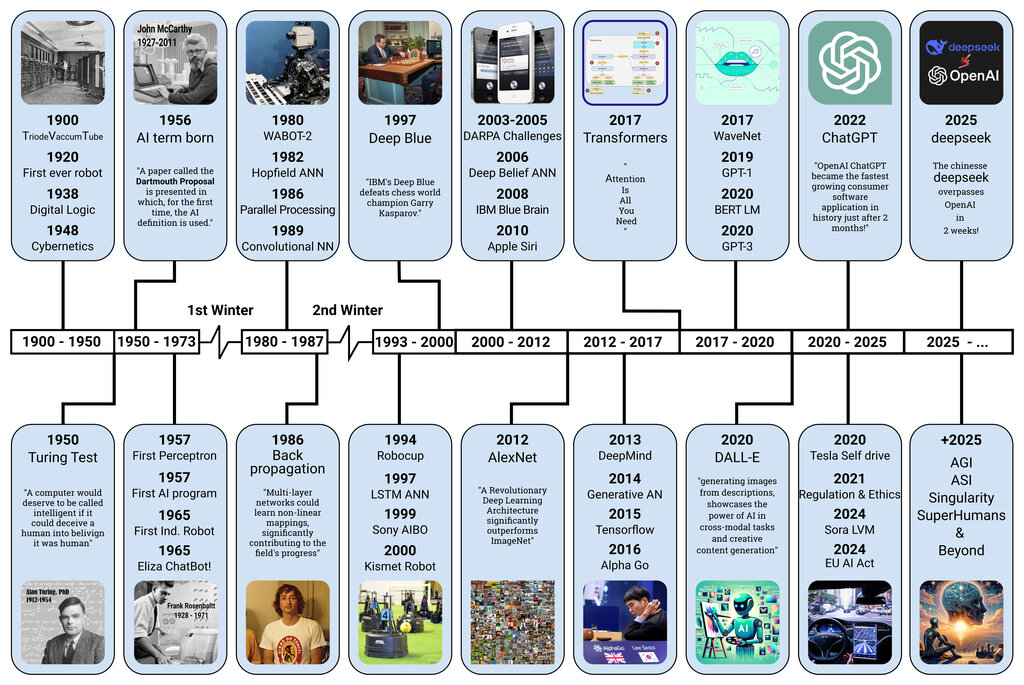
The dream of creating intelligent machines has been around for centuries, but the modern field of AI officially began in the 1950s. Early researchers were optimistic, believing they could create human-level intelligence within a few decades. They developed programs that could solve algebra problems and play checkers at a respectable level.
But progress wasn't a straight line. The field went through several “AI winters,” periods when funding dried up because the technology couldn't live up to its initial hype. The problems turned out to be much harder than anyone expected. It wasn't until the 2010s, with the rise of big data and massive increases in computing power, that AI experienced the explosive growth we see today.
The AI Family Tree
AI isn't just one single technology. It's a large family of different approaches and subfields. You've probably heard terms like “machine learning” and “deep learning” used interchangeably with AI, but they have distinct meanings.
Artificial Intelligence (AI) is the overall concept of creating intelligent machines.
Machine Learning (ML) is a subset of AI. It's an approach where we give a system a large amount of data and let it learn patterns for itself, rather than programming it with explicit rules. For example, a machine learning model for spam detection learns to identify junk mail by analyzing thousands of examples of spam and non-spam emails.
Deep Learning (DL) is a further subset of machine learning. It uses complex, multi-layered neural networks inspired by the structure of the human brain. Deep learning is the powerhouse behind many of the most advanced AI applications, like realistic image generation and sophisticated language translation.
Besides machine learning, AI includes other important subfields:
Natural Language Processing
noun
The subfield of AI focused on enabling computers to understand, interpret, and generate human language.
Think of Siri, Alexa, or Google Translate. These tools use NLP to process what you say, figure out your intent, and respond in a way that makes sense.
Computer Vision
noun
The subfield of AI that trains computers to see and interpret the visual world.
This technology allows machines to analyze images and videos to identify objects, faces, and scenes. It's used in everything from unlocking your phone with your face to medical imaging analysis.
AI in the Wild
AI is no longer just science fiction; it's a part of our daily lives. Many of its applications are so well-integrated that we barely notice them.
When you stream a movie, your recommendation list is curated by an AI that has learned your viewing habits. When you shop online, AI helps detect fraudulent transactions to protect your account.
Beyond entertainment and e-commerce, AI is making a huge impact in critical industries.
- Healthcare: AI algorithms analyze medical images like X-rays and MRIs to help doctors detect diseases like cancer earlier and more accurately.
- Transportation: Navigation apps use AI to analyze traffic patterns in real-time, finding you the fastest route to your destination.
- Agriculture: Farmers use AI-powered drones and sensors to monitor crop health, optimize irrigation, and improve yields.
- Environmental Protection: AI systems can analyze satellite imagery to track deforestation or monitor wildlife populations, and can even make infrastructure more efficient.
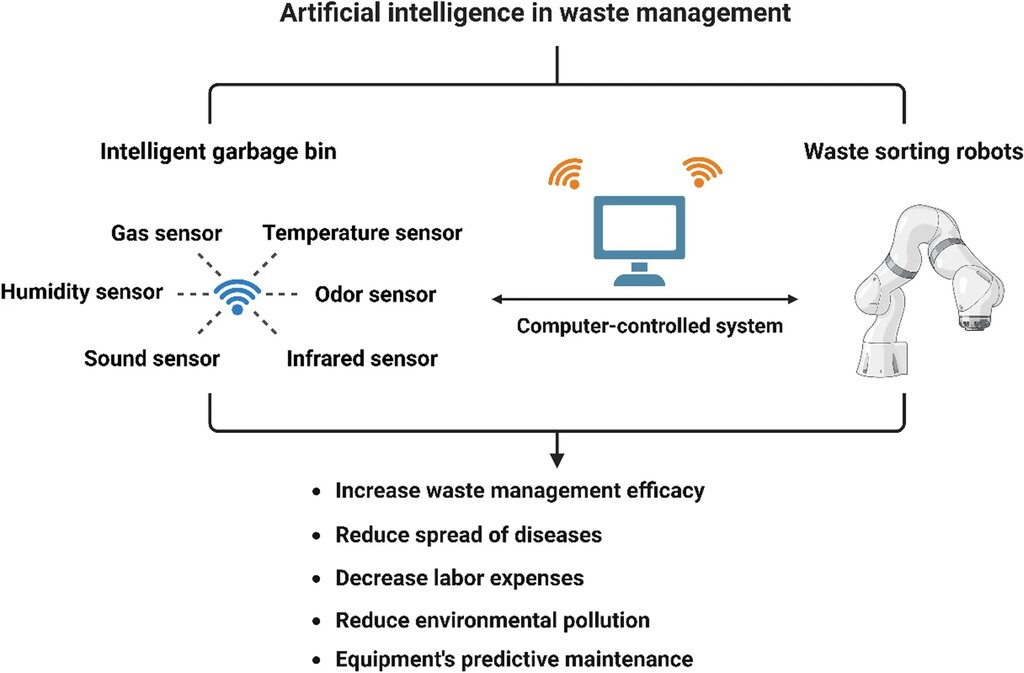
From the simple to the complex, AI is a powerful tool that's fundamentally changing how we work, live, and solve problems.
Now, let's test your understanding of these core concepts.
What is the primary goal of Artificial Intelligence?
Which statement accurately describes the relationship between Artificial Intelligence (AI), Machine Learning (ML), and Deep Learning (DL)?