Beginner Tai Chi Online
Introduction to Tai Chi
What is Tai Chi?
Tai Chi, often described as “meditation in motion,” is an ancient Chinese practice that combines slow, deliberate movements, meditation, and deep breathing. Though it originated as a martial art, today it’s primarily practiced for its profound health benefits and as a gentle form of exercise.
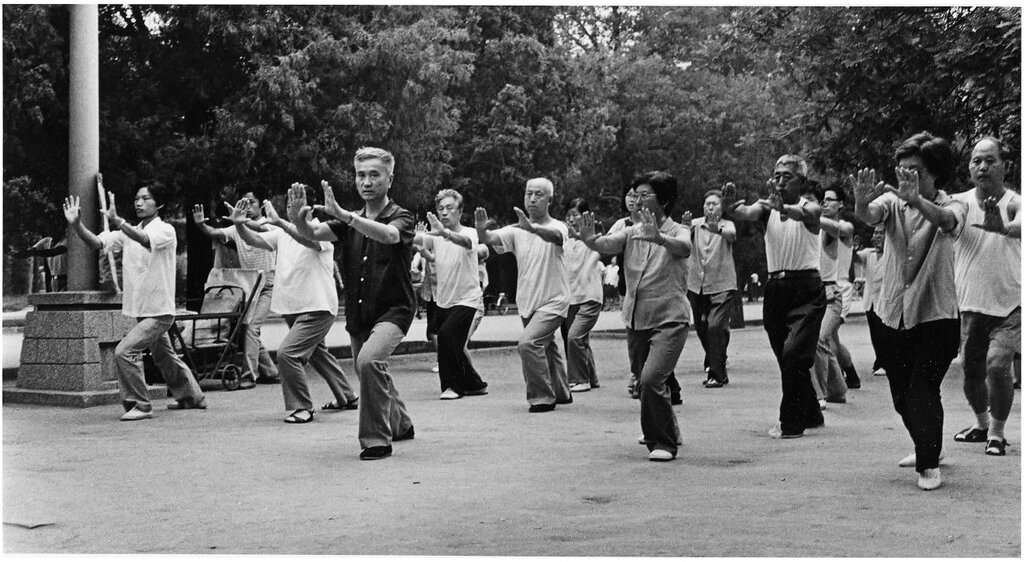
The full name, T'ai Chi Ch'uan (or Tàijíquán), translates to “supreme ultimate fist.” This hints at its martial roots. The practice involves a series of flowing movements, or forms, that are performed in a slow, focused manner, coordinated with the breath. It's a practice accessible to people of all ages and fitness levels, from young children to seniors.
The Philosophy Behind the Flow
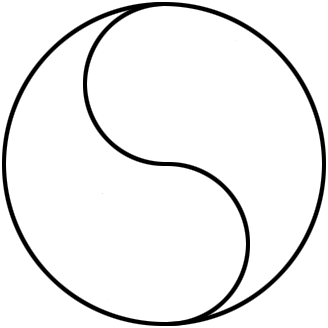
At the heart of Tai Chi lies the Daoist philosophy of yin and yang. This is the concept that the universe is composed of opposing but complementary forces. Think of light and dark, hot and cold, or soft and hard. In Tai Chi, these forces are represented by the constant shifting of weight, the interplay between yielding and asserting, and the balance of stillness and movement.
Another core concept is Qi (pronounced “chee”), the vital life force or energy that is believed to flow through the body. According to Traditional Chinese Medicine, blockages or imbalances in the flow of Qi can lead to illness. The gentle movements of Tai Chi are designed to stimulate this flow, promoting harmony and health within the body.
Qi
noun
In traditional Chinese culture, the vital life force or energy that flows through all living things.
A Style for Everyone
Over centuries, Tai Chi has evolved into several different styles, each with its own unique characteristics. While they all share the same fundamental principles, their forms, postures, and pace can vary significantly. Some styles are more focused on health, while others retain more of the original martial applications.
| Style | Key Characteristics |
|---|---|
| Yang | The most popular style worldwide. Features slow, gentle, and large, expansive movements. Ideal for beginners. |
| Chen | The oldest style. Combines slow, soft movements with sudden, explosive bursts of energy. More physically demanding. |
| Sun | A younger style. Incorporates unique footwork and gentle, flowing movements. Known for its agile steps and high stances. |
| Wu | Emphasizes smaller, more compact movements with a slight forward lean. Focuses on internal development. |
Choosing a style often comes down to personal preference and physical ability. The good news is that no matter which style you practice, the core benefits remain the same.
More Than Just Movement
People practice Tai Chi for a wide range of reasons, from improving physical health to reducing stress. The slow, controlled movements are excellent for improving balance, flexibility, and muscle strength, particularly in the legs and core. Because it's a low-impact exercise, it's gentle on the joints.
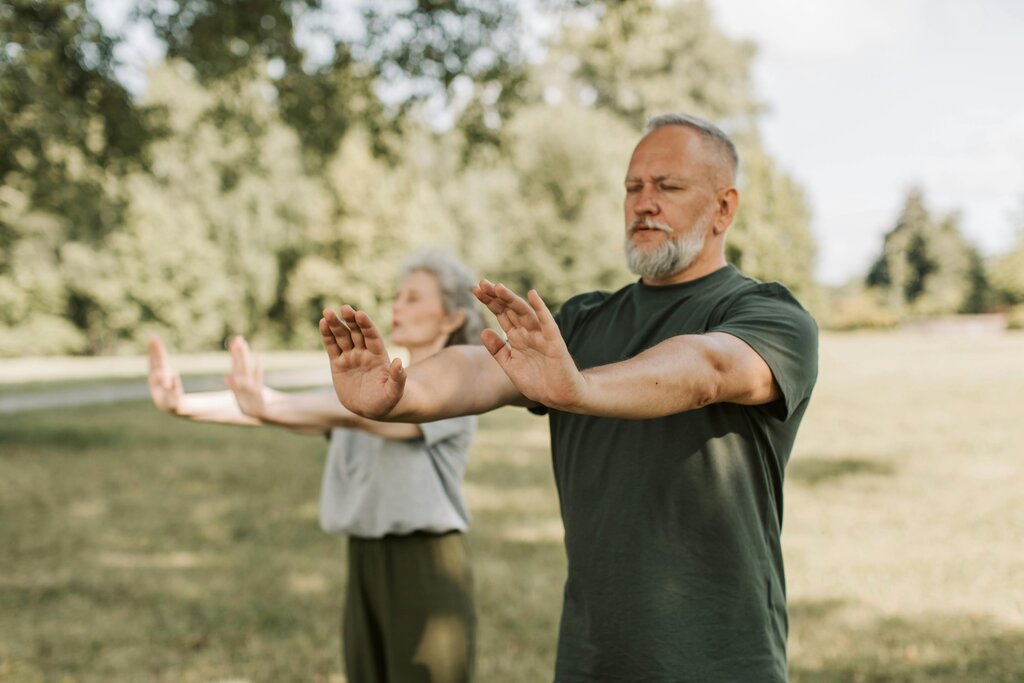
The mental benefits are just as significant. The focus required to remember and perform the forms, combined with the deep breathing, creates a state of active mindfulness. This can lead to a calmer, more focused mind and a significant reduction in stress. It's a workout for both the body and the brain.
Tai Chi integrates the mind and body, helping to quiet the mental chatter that often contributes to stress.
Time to review what you've learned about the foundations of Tai Chi.
Now, let's test your knowledge with a few questions.
The full name, T'ai Chi Ch'uan, translates to what, hinting at its origins as a martial art?
In Tai Chi philosophy, what is the concept of Qi (pronounced “chee”)?
With this foundational knowledge, you have a solid understanding of what Tai Chi is, where it comes from, and why so many people find it beneficial.