Beginner Photography Essentials
Camera Basics
The Camera Body
The camera body is the main part of the camera. It’s the box you hold, and it houses all the crucial electronics and controls. Think of it as the camera's brain and heart, containing the digital sensor that captures light, the processor that creates the image, and all the buttons and dials you'll use.
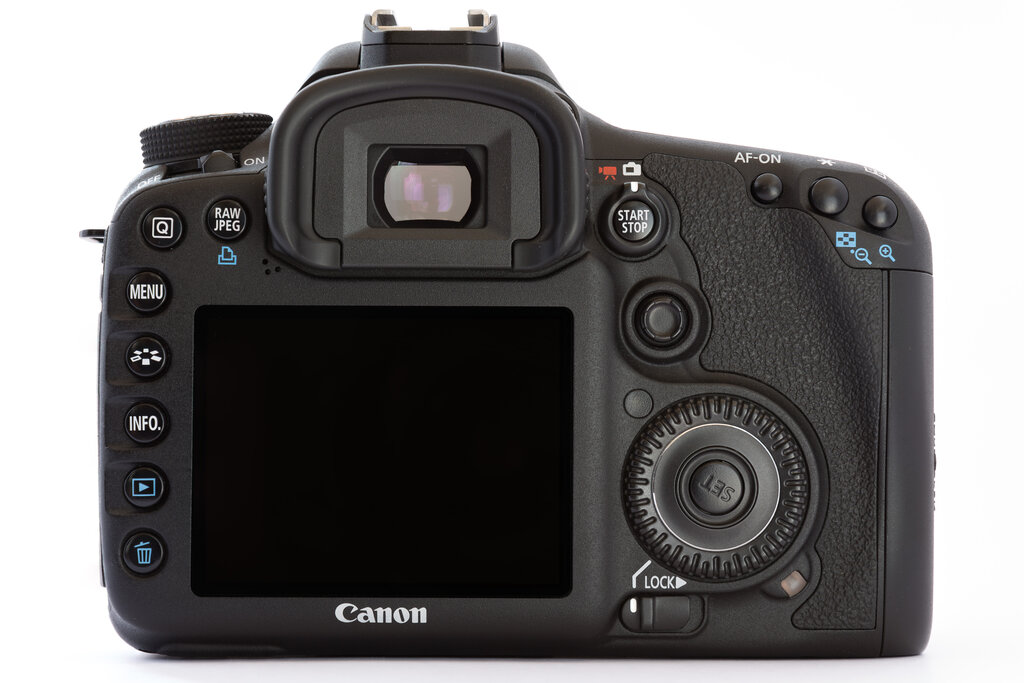
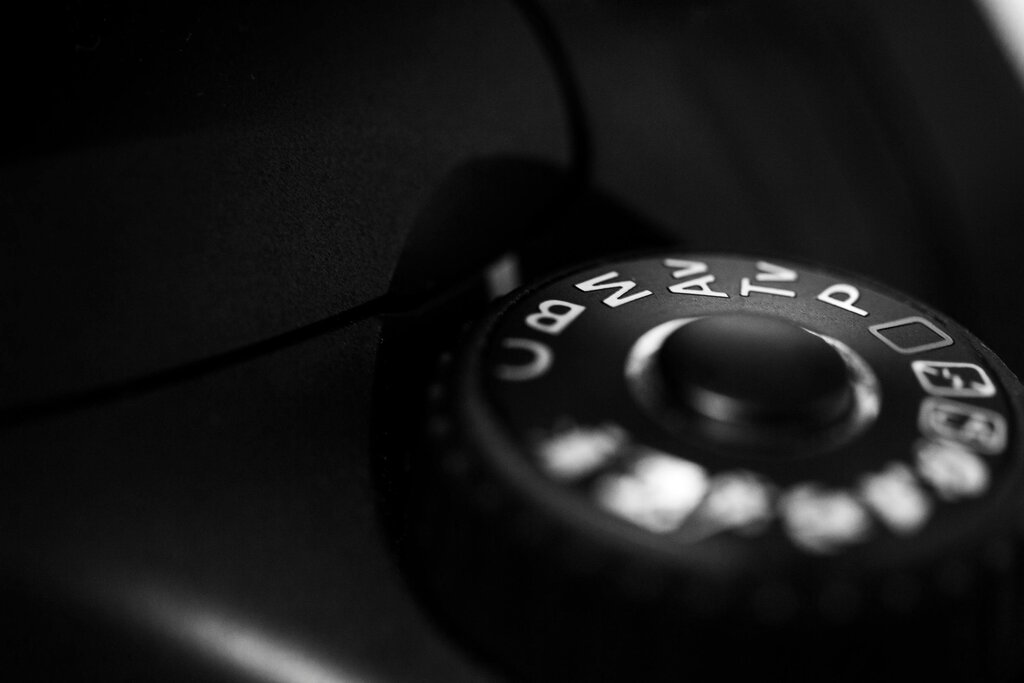
On the body, you'll find a few key parts. The most important is the shutter release button, which you press to take a picture. There's also the LCD screen on the back for reviewing photos and navigating menus. Most digital cameras also have a mode dial that lets you switch between different shooting modes, like automatic, portrait, or manual.
Lenses The Camera's Eye
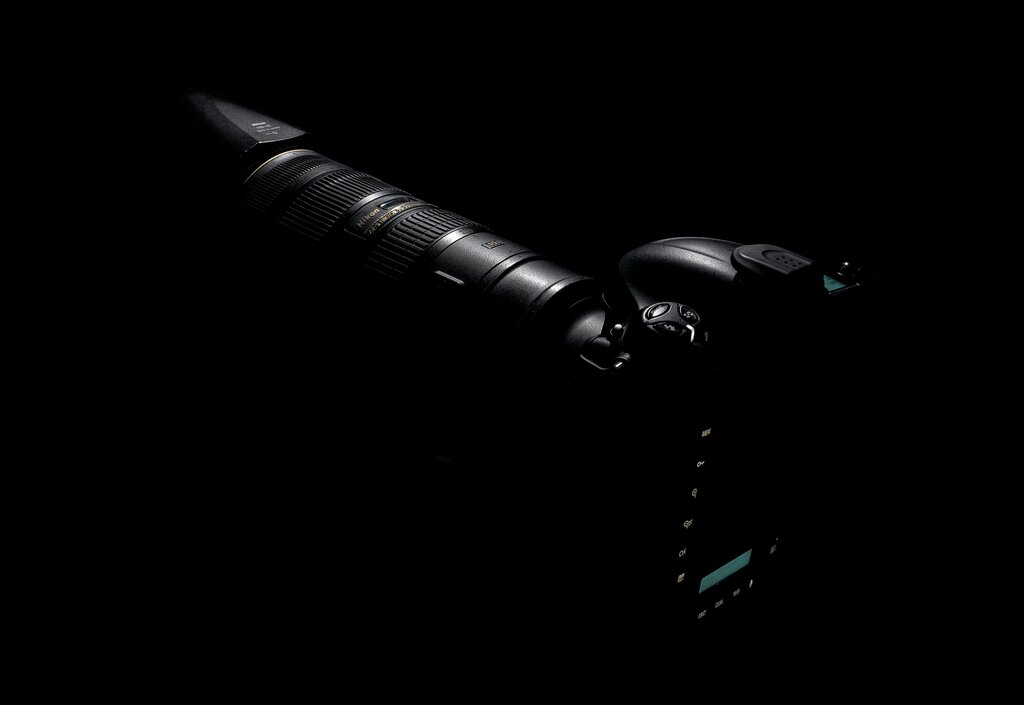
If the camera body is the brain, the lens is the eye. Its job is to collect light from a scene and focus it precisely onto the camera's sensor. The quality and type of lens you use have a massive impact on your final image. Lenses attach to the front of the camera body.
focal length
noun
The distance, in millimeters, between the lens's optical center and the camera's sensor. It determines the angle of view and magnification.
Lenses generally fall into two categories based on their focal length.
Prime Lenses have a fixed focal length. You can't zoom in or out. To change your framing, you have to physically move closer to or farther from your subject. They are often lighter and produce sharper images.
Zoom Lenses have a variable focal length. You can twist a ring on the lens to zoom in on distant objects or zoom out for a wider view. They are more versatile and convenient.
Framing Your Shot
Before you take a picture, you need to see what the lens sees. You do this using the viewfinder. It’s the small window you look through to compose your shot.
There are two main types of viewfinders:
-
Optical Viewfinder (OVF): Found on DSLR cameras, an OVF uses a system of mirrors and a prism to show you exactly what the lens sees, without any digital processing. It’s a direct, real-time view.
-
Electronic Viewfinder (EVF): Found on mirrorless cameras, an EVF is a tiny screen inside the eyepiece. It shows you a digital preview of the image, including how your settings (like brightness) will affect the final shot.
Many cameras also let you use the larger LCD screen on the back to frame your photo, which is often called "Live View."
How a Picture Is Taken
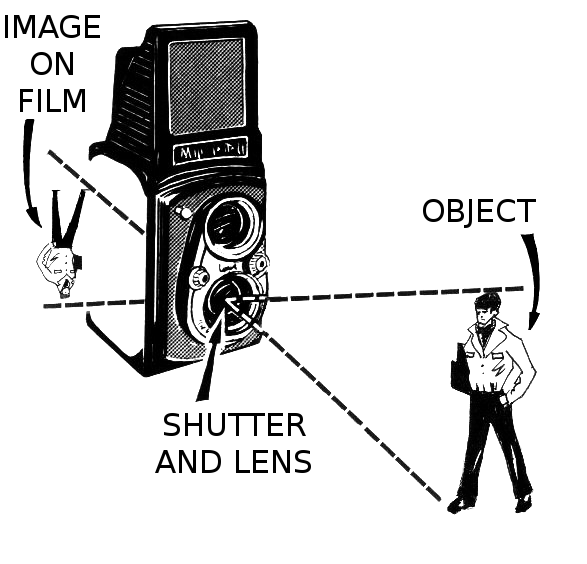
So you’ve framed your shot and you're ready to capture the moment. When you press the shutter release button, you set a mechanical process in motion. A part inside the camera called the shutter opens and closes, controlling how long light is allowed to hit the sensor.
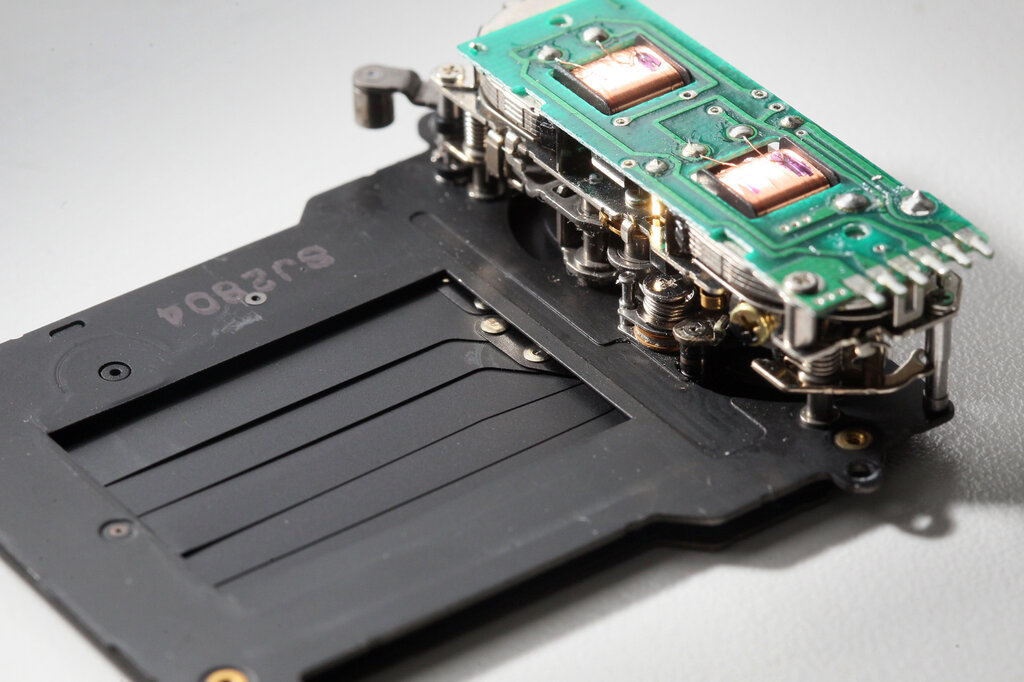
The shutter is like a curtain in front of the sensor. It stays closed until you're ready to take a photo. When you press the button:
- The shutter opens.
- Light streams through the lens and hits the sensor.
- The shutter closes, ending the light exposure.
The length of time the shutter stays open is called the shutter speed. A fast shutter speed freezes motion, while a slow one can create a blur effect from moving objects. Mastering the shutter is a key step in controlling how your photos look.
What is the primary function of the camera body?
Which component allows a photographer to switch between different shooting settings like 'automatic,' 'portrait,' or 'manual'?
These are the building blocks of any camera. Understanding what the body, lens, viewfinder, and shutter do is the first step toward taking control of your photography and capturing the world as you see it.