Beginner French Speaking
French Pronunciation
The Sounds of French
Getting the sounds of French right is the first step to speaking with confidence. While some sounds might feel new, they follow consistent rules. Unlike English, where letters can have many different pronunciations, French is much more predictable once you know the patterns.
Vowels Make the Melody
French vowels are pure and crisp. In English, we often glide from one vowel sound to another within a single syllable, like in the word "oil." French vowels are held steady, without this glide. Your mouth position is key. A small change in lip shape can completely change the sound and the meaning of a word.
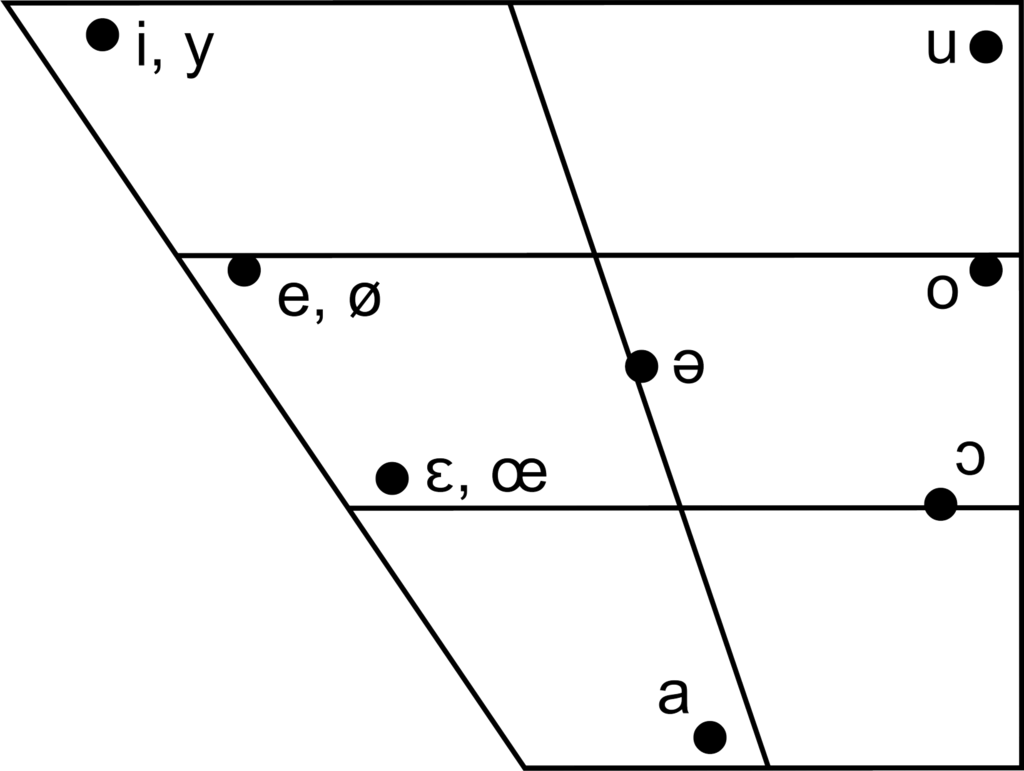
Let's look at a few important ones. The French 'i' is like the "ee" sound in "machine."
life
The French 'u' sound has no direct equivalent in English. To make it, start by saying "ee." Hold that sound, but round your lips tightly as if you're about to whistle. The sound should come out sharp and clear.
you (singular, informal)
Don't confuse this with 'ou', which is pronounced like the "oo" in "soup."
you (plural/formal)
Nasal Sounds
Nasal vowels are a signature of the French language. They happen when a vowel is followed by an 'n' or 'm' in the same syllable. Instead of pronouncing the 'n' or 'm', the vowel sound itself becomes nasal, meaning air flows through your nose as you say it.
Think of the sound you make when you say "huh?" Part of that sound is nasal. To make a French nasal sound, keep the back of your tongue down and let the sound resonate in your nasal passage. The 'n' or 'm' that follows is silent.
The key is to not close your mouth to make the 'n' or 'm' sound. The vowel itself gets the nasal quality.
Here are a few common nasal sounds.
| Combination | Sound Example | French Word |
|---|---|---|
| an, en | like on in "want" | an (year) |
| in, un | like an in "sang" | vin (wine) |
| on | like on in "song" | bon (good) |
Common Pitfalls
English speakers often run into a few common hurdles when learning French pronunciation. Knowing them ahead of time can help you avoid them.
The most common mistake is pronouncing the final consonant of a word. Most of the time, it's silent!
For example, the word trop (too much) is pronounced "troh," with a silent 'p'. The word grand (big) is pronounced "grahn," with a silent 'd'. This rule has exceptions, but it's a great starting point.
Another tricky sound is the French 'r'. It's not rolled like in Spanish or pronounced like the English 'r'. It’s made in the back of the throat, almost like a light gargle.
street
Finally, the letter 'h' is always silent in French. You should always ignore it when pronouncing a word. The word hôtel is pronounced "oh-tel."
Let's test what you've learned.
Compared to English, French pronunciation rules are generally more consistent and predictable once you know the patterns.
How is the French vowel sound 'u' (as in the word tu) correctly produced?