Beer: From Grain to Glass
Advanced Brewing Techniques
Refining Your Mash
You already know how to perform a single infusion mash, where grains steep at one temperature to convert starches into fermentable sugars. This method is effective and widely used, but controlling the mash temperature in stages, known as step mashing, offers greater control over the final beer's body and character.
Step mashing involves raising the mash temperature through a series of rests. Each temperature range activates specific enzymes that perform different jobs, from breaking down proteins to creating different types of sugars. By holding the mash at each of these rests, you can fine-tune the wort's composition.
| Rest | Temperature Range | Purpose |
|---|---|---|
| Acid Rest | 95-113°F (35-45°C) | Lowers mash pH; useful with pale malts. |
| Protein Rest | 113-131°F (45-55°C) | Breaks down proteins, reducing haze and improving head retention. |
| Beta-Amylase Rest | 140-150°F (60-65°C) | Creates highly fermentable maltose, resulting in a drier, more alcoholic beer. |
| Alpha-Amylase Rest | 154-162°F (68-72°C) | Creates less fermentable sugars and dextrins, resulting in a fuller-bodied, sweeter beer. |
A more intensive technique, decoction mashing, involves removing a thick portion of the mash, boiling it separately, and then returning it to the main mash to raise the temperature to the next step. This traditional method, common for German lagers, develops deep, complex malt flavors through Maillard reactions that are difficult to achieve otherwise. While time-consuming, the resulting melanoidin-rich character can be remarkable.
Mastering Fermentation
Mashing sets the stage, but fermentation is where beer is truly made. Controlling this step is the single most important factor in producing clean, consistent beer. Yeast is a living organism, and when it's stressed by improper conditions, it produces off-flavors that can ruin a batch.
The primary factors for a healthy fermentation are temperature, yeast health, and oxygen.
Consistent temperature is critical. Ales and lagers ferment at different temperature ranges, but even within those ranges, fluctuations can stress the yeast. A swing of just a few degrees can cause yeast to produce fusel alcohols (tasting like harsh solvent) or fruity esters that are inappropriate for the style. A dedicated fermentation chamber, like a chest freezer with an external temperature controller, provides the ultimate control.
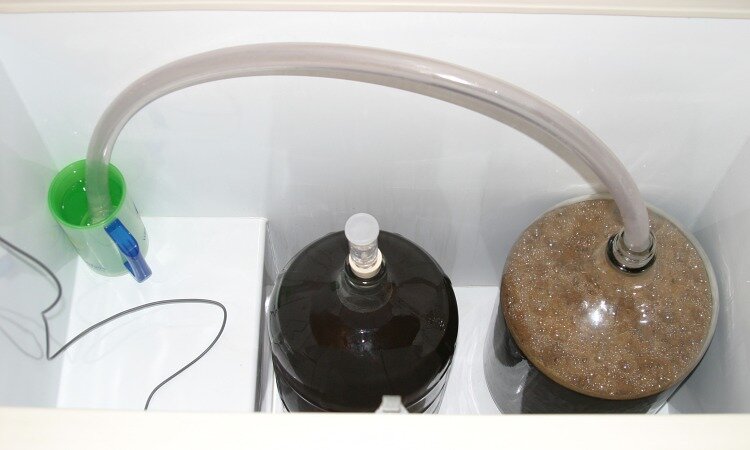
Yeast health begins with pitching the right amount. Under-pitching (not adding enough yeast) forces the cells to work too hard to reproduce, leading to off-flavors. Over-pitching can also be problematic, potentially stripping flavor compounds. For liquid yeast, creating a yeast starter—a mini-batch of wort used to grow the yeast cell count before pitching—is the best way to ensure a large and healthy population.
Temperature control is one of THE major things a new brewer can do to help move his/her beer from just drinkable to the WOW category.
Finally, while oxygen is the enemy of finished beer, it's vital for yeast at the beginning of fermentation. Yeast uses oxygen during its initial growth phase to build strong, healthy cell walls. Properly aerating your cooled wort before pitching yeast—by shaking the fermenter, using an aeration stone, or injecting pure oxygen—gives the yeast the best possible start for a clean fermentation.
Innovative Equipment
As you advance, specialized equipment can help you achieve greater consistency and quality. While not strictly necessary, these tools solve common problems and provide a higher degree of control.
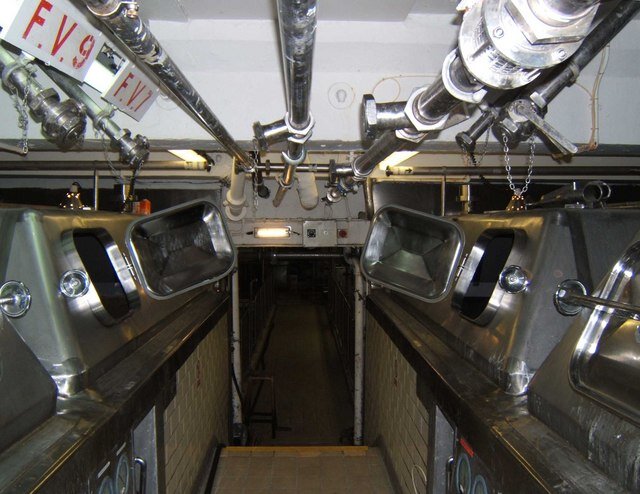
A conical fermenter is a significant upgrade. Its cone-shaped bottom allows yeast and trub (sediment) to collect in a concentrated area. A dump valve at the bottom lets you easily remove this sediment without transferring the beer to a secondary vessel. This simplifies the process and reduces the risk of oxidation. Many conical fermenters also include ports for taking samples and transferring the finished beer, all within a sealed environment.
For precise temperature control, nothing beats a glycol chiller. This unit circulates a cold propylene glycol and water mixture through a cooling coil or jacket in your fermenter. Paired with a digital controller, a glycol system can hold your fermentation temperature to within a single degree of your set point, regardless of the ambient temperature. It allows for cold crashing (rapidly chilling the beer to clarify it) in the fermenter and precise management of complex fermentation profiles.
What is the primary advantage of performing a step mash over a single infusion mash?
A brewer wants to achieve the deep, complex malt flavors characteristic of traditional German lagers, which are rich in melanoidins. Which mashing technique is specifically designed to develop these flavors?
By moving beyond the basics of mashing and fermentation, you gain powerful tools to shape the final character of your beer with intention and precision.