Becoming a Travel Nurse
Introduction to Travel Nursing
What Is a Travel Nurse?
A travel nurse is a registered nurse (RN) who works temporary jobs in hospitals, clinics, and other healthcare facilities around the country. Think of them as highly skilled professionals who step in to fill short-term staffing gaps. These gaps can happen for many reasons, like a sudden increase in patients, a staff nurse going on maternity leave, or a hospital needing specialized skills for a specific project.
These assignments, often called contracts, typically last around 13 weeks, though they can be shorter or longer. During that time, a travel nurse performs all the same duties as a permanent staff nurse. They care for patients, administer medication, and collaborate with the medical team. The key difference is their temporary status and the adventure of working in a new location every few months.
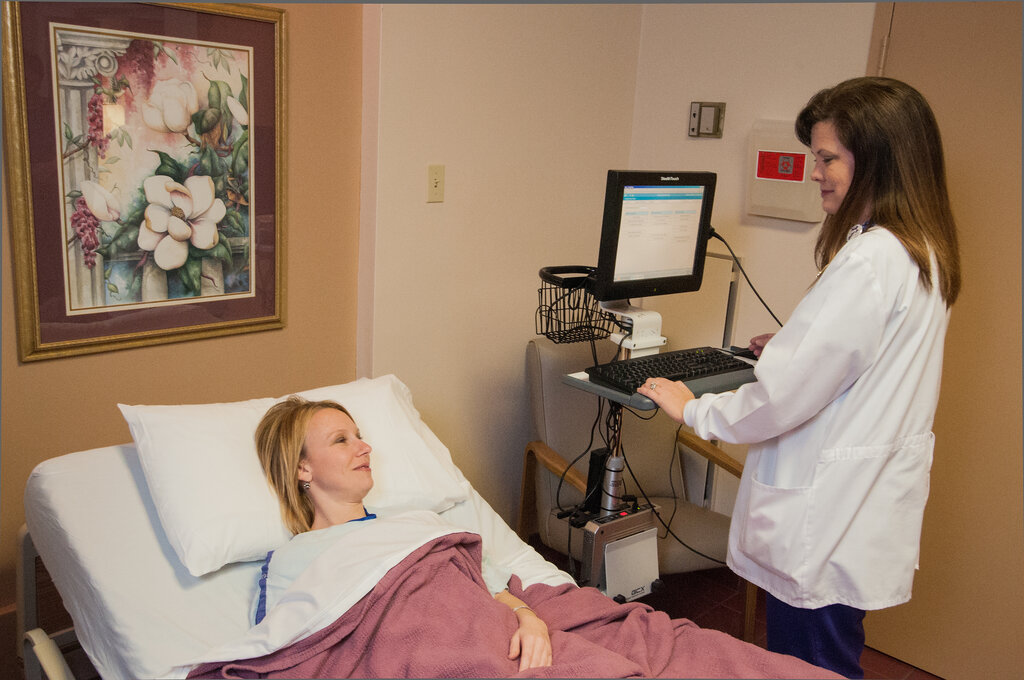
The Highs and Lows
The life of a travel nurse is a unique blend of rewarding opportunities and distinct challenges. For many, the benefits are a major draw. You get to explore new cities and states, essentially getting paid to travel. This career path offers incredible flexibility, allowing you to take time off between contracts to relax or see the world. Professionally, working in different hospitals exposes you to new technologies, procedures, and ways of practicing nursing, which rapidly expands your skillset.
Experience diverse healthcare environments while exploring the country.
However, the lifestyle isn't for everyone. The constant change requires a high degree of adaptability. Every 13 weeks, you might have to learn a new hospital's layout, charting system, and internal policies. This can be stressful. The nomadic nature can also feel isolating at times, as you're frequently leaving behind new friends and colleagues. Finding short-term housing and navigating a new city on your own are logistical hurdles that come with every assignment.
| Pros | Cons |
|---|---|
| Explore new places | Constant adaptation to new systems |
| High degree of flexibility | Potential for loneliness or isolation |
| Broaden clinical skills | Logistical challenges with housing |
| Often higher pay packages | Lack of long-term workplace community |
Typical Assignments and Settings
One of the most exciting aspects of travel nursing is the sheer variety of work environments available. While many assignments are in hospitals, the opportunities extend far beyond that. Travel nurses are in high demand across the entire healthcare spectrum.
You could find yourself in a bustling, high-tech intensive care unit (ICU) in a major city for one contract, then caring for patients in a small, rural community clinic for the next. Assignments are available in nearly every nursing specialty, including the emergency room (ER), labor and delivery, and pediatrics. There are also roles in outpatient surgery centers, long-term care facilities, and even in non-clinical settings like schools or for corporate wellness programs. During public health crises, travel nurses often form the backbone of rapid response teams at vaccination clinics or temporary treatment centers.

This diversity of roles allows nurses to find assignments that perfectly match their skills, interests, and career goals, making each contract a new and unique professional chapter.
What is the primary role of a travel nurse?
What is the typical duration of a travel nursing contract?