Becoming a Tech Tinkerer
Introduction to Technology
What Is Technology?
When we hear the word “technology,” our minds often jump to smartphones, laptops, and the internet. While that’s not wrong, it’s only a small part of the picture. At its core, technology is much broader. It's the application of scientific knowledge for practical purposes.
Technology
noun
The use of science in industry, engineering, etc., to invent useful things or to solve problems.
Think of it this way: a hammer is technology. So is a wheel, a printing press, or a simple pair of eyeglasses. These are all tools that humans created to make a task easier or to do something that was previously impossible. It's about the methods, systems, and devices that result from our understanding of the world.
Technology is not just about gadgets. It's the process of creating tools and systems to solve problems and extend human capabilities.
A Quick Trip Through Time
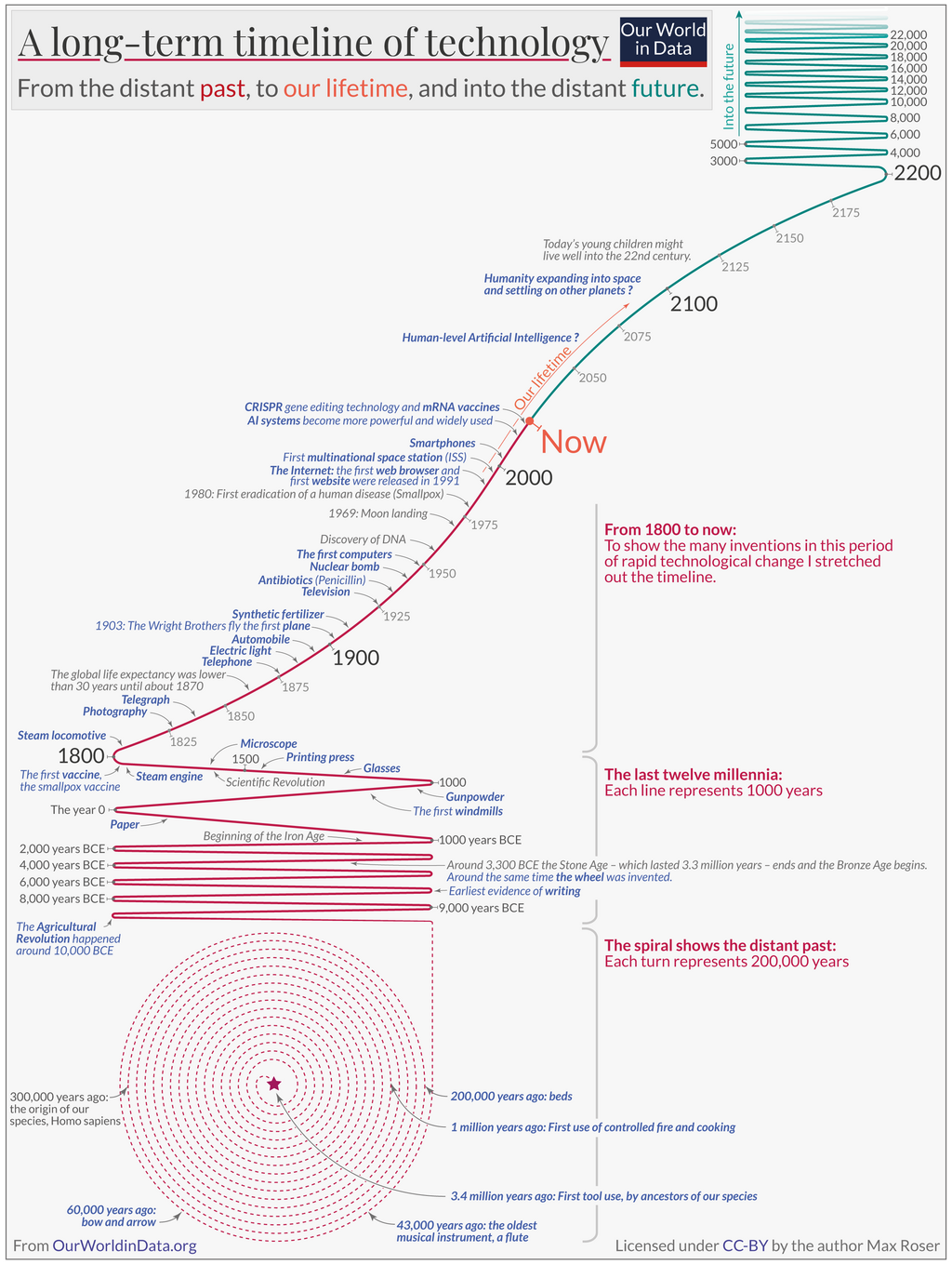
Technology isn't new; it has been evolving for as long as humans have. Early humans sharpened stones to create the first tools. This was a massive technological leap that changed how people lived. Millennia later, the invention of the printing press revolutionized how information was shared, paving the way for widespread education and new ideas.
The Industrial Revolution brought another seismic shift, introducing factories, steam power, and mass production. This changed societies from agricultural to industrial. More recently, the digital revolution gave us computers, the internet, and mobile devices, connecting the world in ways that were once pure science fiction.
Systems Working Together
Individual technologies rarely exist in a vacuum. They are often part of larger, interconnected systems. Your smartphone is a powerful piece of technology, but its usefulness explodes when connected to a cellular network. That network, in turn, is a complex system of towers, cables, and satellites that all work together.
Think of a city's power grid. It includes power plants that generate electricity, transformers that adjust voltage, and a vast network of wires that deliver power to homes and businesses. If one part fails, it can affect the entire system. Modern technology is much the same. The internet, for example, is a global system of computers, servers, and data centers all communicating through a standardized set of rules.
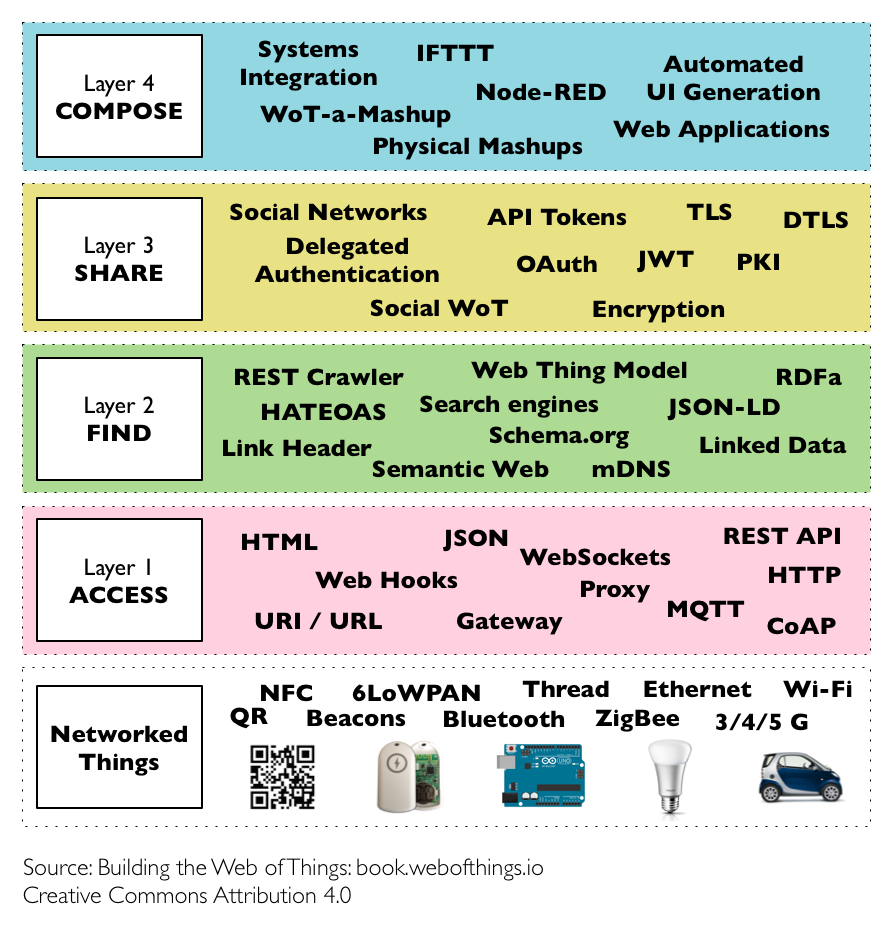
This interconnectedness is what makes modern technology so powerful. It allows for instant communication, access to a world of information, and services that simplify our lives. But it also means that the systems we rely on are complex, with many dependencies.
Technology's Footprint
The impact of technology on society is immense and touches nearly every aspect of daily life. It has fundamentally changed how we communicate, work, learn, and entertain ourselves. Email, social media, and video calls have made it possible to stay connected with people across the globe.
In the workplace, technology has automated routine tasks, created entirely new industries, and enabled remote work on a massive scale. Education has been transformed, with online courses and digital resources making learning more accessible than ever before. These changes bring incredible opportunities, shaping our world in profound ways.
Understanding these foundational ideas helps set the stage for exploring the specific hardware and software that power our world. It all starts with the simple idea of using knowledge to build something useful.
According to its broadest definition, what is technology?
Which of the following items is an example of early human technology?